Sysco Announces $29 Billion Jetro Restaurant Depot Acquisition
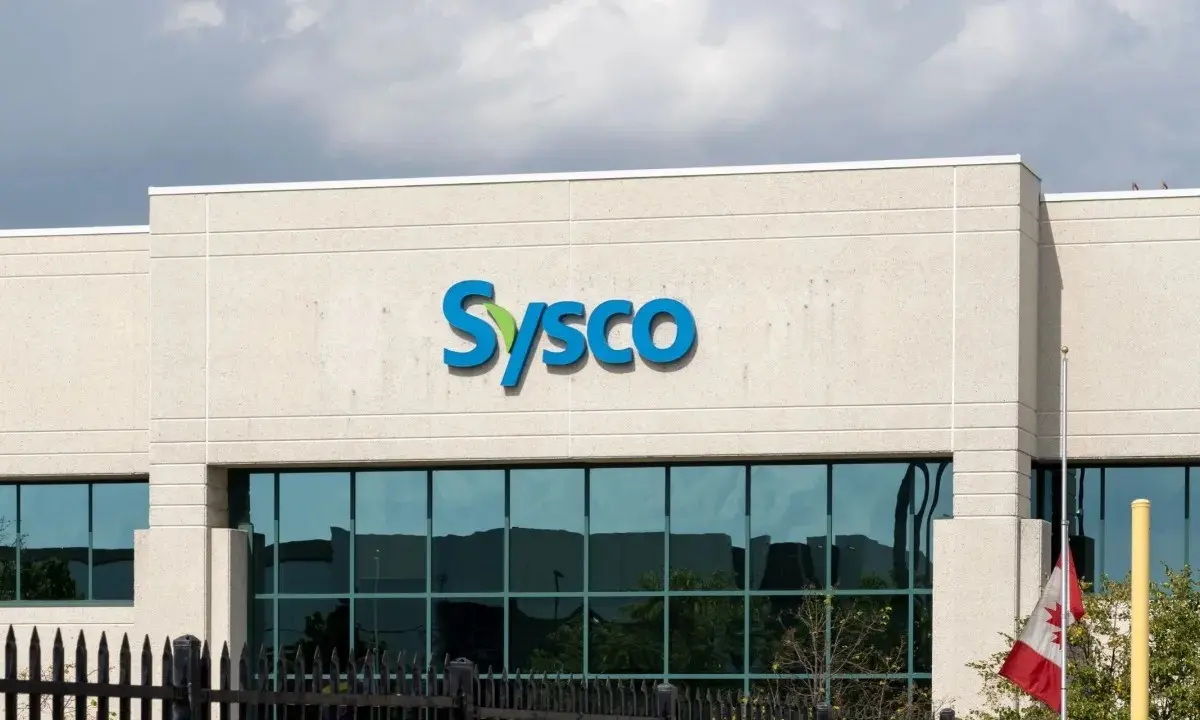
Sysco has agreed to acquire Jetro Restaurant Depot in a $29 billion deal that would unite the two largest players in U.S. foodservice distribution under a single corporate roof.
The foodservice distribution industry has always run on margins thin enough to make a restaurant owner wince. Sysco just decided the only way to protect those margins long-term is to own more of the chain. The Houston-based giant confirmed Monday it has reached a definitive agreement to acquire Jetro Restaurant Depot in a deal valued at $29 billion, combining the country's dominant broadline distributor with the warehouse club operator that built its entire reputation on serving independent restaurateurs who didn't want to be sold to. For Sysco, the logic is straightforward even if the price tag is not. Jetro Restaurant Depot has spent decades cultivating a customer base that Sysco has historically struggled to reach: independent operators, ethnic grocers, and small food-service businesses that prefer cash-and-carry self-sufficiency over scheduled delivery contracts. Those customers don't want a sales rep. They want a pallet of chicken thighs at a price their accountant won't argue with. Jetro built a business around that preference. Sysco is now buying it. The combined entity would control a distribution and retail footprint that touches virtually every segment of the U.S. food-service market. Sysco's existing network covers broadline distribution to restaurants, healthcare facilities, hospitality groups, and educational institutions across North America. Jetro's roughly 110 warehouse locations add a physical cash-and-carry presence concentrated in dense urban and suburban markets — exactly the geographies where independent restaurants are most competitive and where Sysco's delivery model has always faced the most friction. The deal is also a direct response to margin pressure that has been building for several years. Labor costs, diesel prices, and the continued negotiating leverage of large chain restaurant groups have steadily compressed what Sysco earns per case delivered. Acquiring Jetro doesn't solve the unit economics of broadline distribution, but it does give Sysco a second revenue model one where the customer drives to the product instead of the other way around, and where the cost structure looks meaningfully different.Regulatory scrutiny is the next chapter. The U.S. Department of Justice has spent the past several years reviewing large-scale consolidation in food and agriculture supply chains with considerably more skepticism than it showed a decade ago. Sysco attempted to acquire US Foods in 2015 and was blocked. Jetro operates in a different segment than US Foods, which may give this deal more room to breathe, but the combined market share numbers will draw attention regardless. Both companies have signaled they expect a thorough review and are prepared to engage with regulators through the process.For independent restaurant owners, the acquisition raises questions that don't have comfortable answers yet.Jetro's appeal has always been its arm's-length relationship with the broader distribution establishment. Members pay an annual fee, shop from the floor, and leave without a customer relationship in the traditional sense. Whether Sysco preserves that operating philosophy or gradually migrates Jetro customers toward its core distribution model will determine how the deal is received at the street level.Sysco's chief executive framed the acquisition as a platform expansion rather than a consolidation play a distinction that will mean something to regulators and very little to the restaurant operator who walks into a Jetro warehouse in six months and finds a Sysco logo above the door.The transaction is expected to close before the end of the calendar year, subject to regulatory approval and customary closing conditions. Until then, both companies will continue to operate independently.