Trump Extends Iran Deadline for Strait of Hormuz Deal
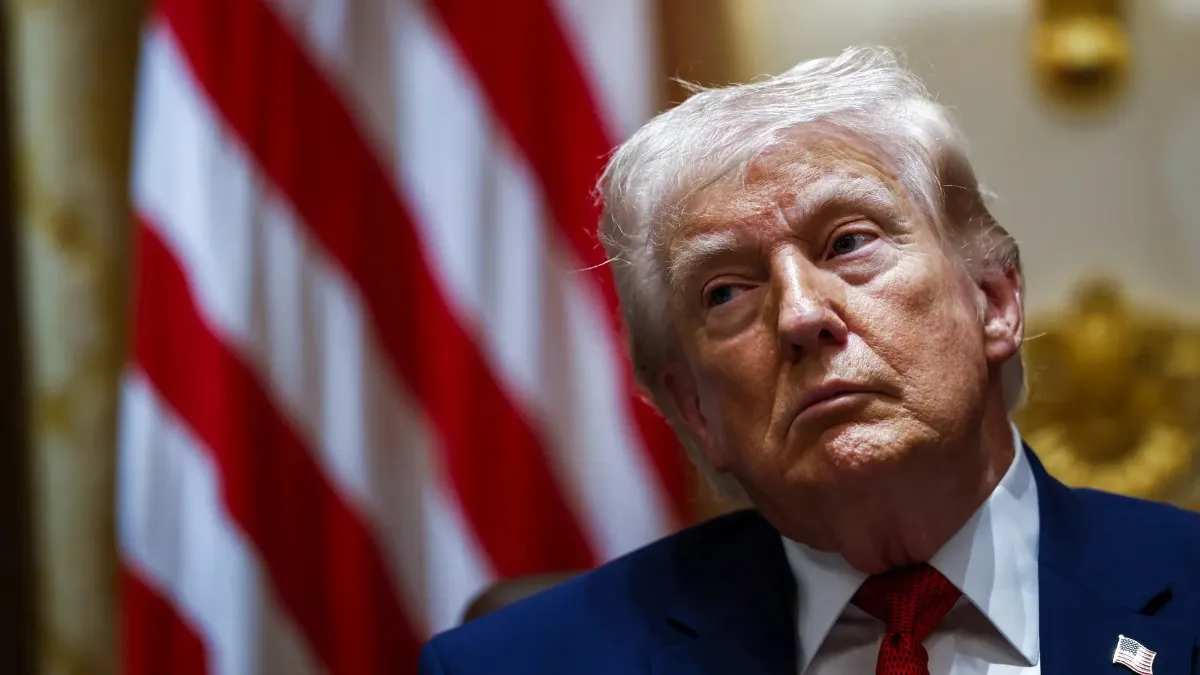
President Trump granted Iran a 24-hour extension to reach an agreement on reopening the Strait of Hormuz, warning that U.S. airstrikes on Iranian power infrastructure will follow if negotiations collapse by Tuesday night.
The White House confirmed Sunday that President Donald Trump has extended a critical diplomatic deadline by twenty-four hours, giving Iranian negotiators until late Tuesday night to produce a workable agreement on the Strait of Hormuz before the United States moves to military options.The extension, communicated through back-channel contacts and confirmed by senior administration officials, does not signal a softening of the American position — it signals that talks have advanced far enough to justify one more day before a decision with permanent consequences gets made.Trump issued the warning in direct terms over the weekend: no deal by the deadline means U.S. airstrikes on Iranian power generation infrastructure.The administration identified electrical grids and major power plants as the first tier of targets, a list calibrated to maximize economic pressure without immediately triggering the casualty counts that would complicate the diplomatic track Washington says it still wants to preserve. The targeting logic tracks closely with the Israeli strike framework used against Iranian air defense systems in 2024 — degrade capacity, demonstrate reach, force a recalculation.The Strait of Hormuz carries roughly twenty percent of the world's traded oil through a narrow channel between Iran and Oman. Tehran moved to restrict commercial transit in late March following the collapse of preliminary nuclear-adjacent talks in Geneva, a decision that sent crude futures sharply higher and produced urgent calls from Gulf state partners, European allies, and Asian importers who depend on that corridor for energy security. Saudi Arabia and the UAE have both privately pressed Washington to resolve the closure before it metastasizes into a broader regional confrontation neither capital wants.Iranian Foreign Minister Abbas Araghchi confirmed Sunday that negotiators remain at the table but did not characterize the talks as close to conclusion. State media in Tehran framed the American deadline as coercive posturing — language that serves a domestic audience while keeping the diplomatic door technically open. Senior Revolutionary Guard commanders have said publicly that any U.S. strike on Iranian soil will be met with a full closure of the strait and attacks on American naval assets in the Gulf. The distance between those two stated positions is what negotiators are currently attempting to close.The administration's internal debate over the past week centered on whether a 24-hour extension would be read as weakness or as a genuine signal of preference for a negotiated resolution. Officials familiar with the discussions say Trump settled the argument himself — the extension was granted conditionally, with explicit private communication to Tehran that the target list has been finalized and that the order requires only a signature.Oil markets opened Monday with Brent crude holding above ninety-four dollars per barrel, a level reflecting sustained uncertainty rather than a resolution premium. Traders have priced in a roughly forty percent probability of some form of military action before the week ends, according to options flow analysis from three major commodity desks. That number will move sharply in either direction once Tuesday's deadline passes.For the broader architecture of American deterrence in the Middle East, the next forty-eight hours carry weight beyond the immediate standoff. A negotiated reopening of the strait on terms favorable to Washington would validate the maximum-pressure posture Trump has rebuilt since returning to office. A strike that produces no Iranian concession would raise immediate questions about what comes next in a theater where escalation has historically proven easier to start than to stop. The deadline is real. The choice it frames is equally so.