DOE Extends Emergency Orders to Protect Puerto Rico Power Grid
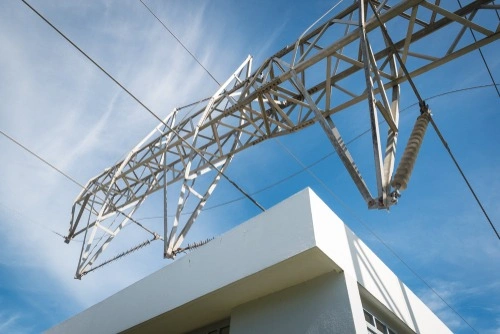
The US Department of Energy has renewed emergency orders through May 2026 to strengthen Puerto Rico's fragile electric grid and boost baseload generation capacity ahead of hurricane season.
If you have ever sat through a Puerto Rican summer blackout — the kind that stretches from afternoon into the dark hours of the night, with no fan, no air conditioning, and no timeline for restoration — you understand why the island's power grid is not just an infrastructure issue. It is a public health issue, a quality of life issue, and for many families, a matter of basic dignity. The US Department of Energy clearly understands this too, which is why it has extended its emergency orders governing Puerto Rico's electrical system through May 2026. The timing is deliberate. Hurricane season officially begins in June, and Puerto Rico's grid — still recovering from the catastrophic blow delivered by Hurricane Maria in 2017 and repeatedly destabilized by equipment failures, mismanagement, and underinvestment since — is not yet where it needs to be. The emergency orders give federal authorities tools they do not normally have: the ability to direct generation resources, coordinate energy assets across operators, and intervene in ways that fall outside the standard regulatory playbook. Think of it as a federal backstop for a grid that has not yet proven it can fully stand on its own. The extension comes amid ongoing controversy over LUMA Energy, the private company that took over transmission and distribution operations under a public-private partnership that many Puerto Ricans view with deep skepticism. Outages have remained frequent, rates have climbed, and public trust in the operator has eroded significantly. The DOE's continued involvement is seen by some as an implicit acknowledgment that LUMA alone cannot be relied upon to keep the lights on when the storms arrive. Renewable energy advocates are using this moment to push for something bigger — a genuine, federally backed transition to solar and battery storage that would make Puerto Rico less dependent on aging fuel infrastructure and more resilient against the storms that are not a question of if, but when.