Puerto Rico's governor signs a bill that makes fetal personhood a crime
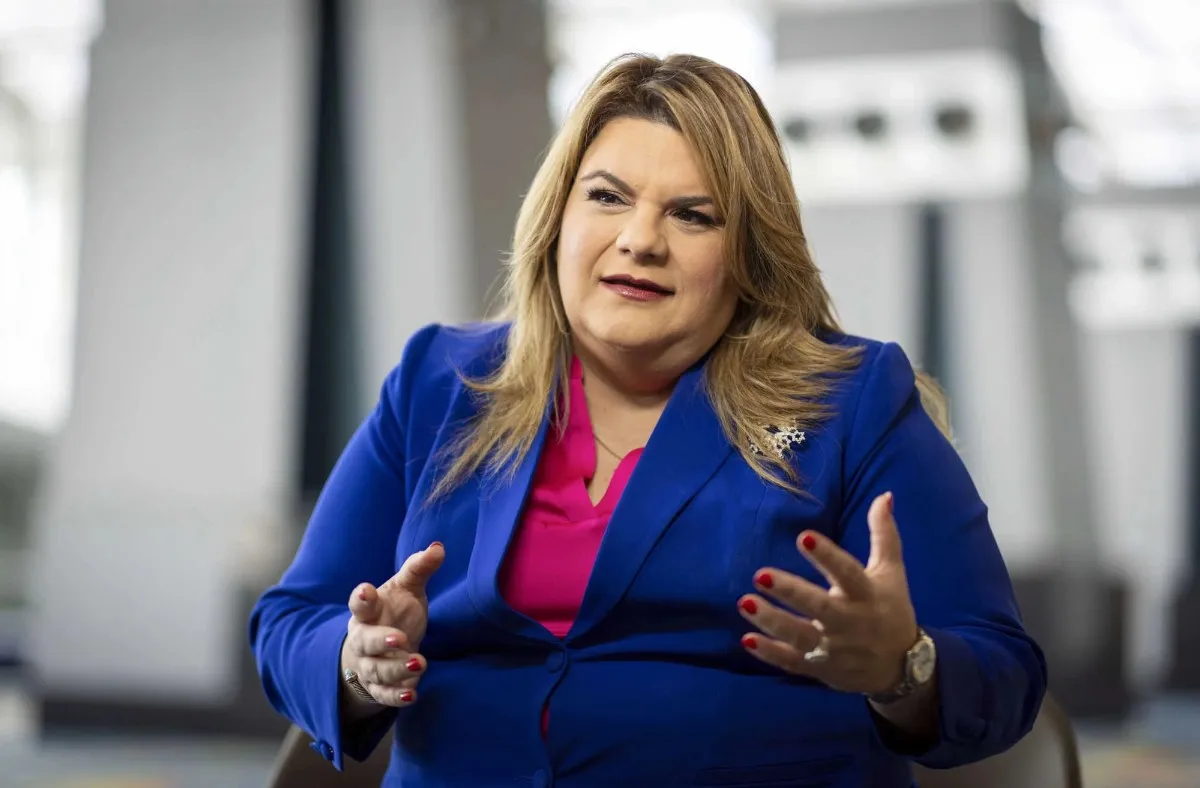
Puerto Rico Governor Jenniffer González approved a measure that says a fetus is a person. This has made medical and legal professionals very worried about reproductive rights and privacy in healthcare.
Sometimes, in politics, a signature on paper can have effects that go far beyond the room where it happens. Puerto Rico just had one of those times. Governor Jenniffer González secretly signed a bill into law that gives a fetus the same legal status as a person. The repercussions has been anything but quiet. Within hours of the signing, civil rights offices all over the island were getting calls, reproductive health clinics were getting questions from worried patients, and legal experts were already writing arguments for what many think will be a protracted court fight. The bill is basically a statement of values that reflects Puerto Rico's largely Catholic cultural culture and has been supported by conservative lawmakers for years. But its real-world effects go well beyond just being a symbol. Doctors and OB-GYNs have been some of the most vocal critics, saying that the law makes emergency obstetric treatment less safe by creating a grey zone. When a mother's life is on the line and every second counts, the last thing a doctor should be doing is worrying about the law. This measure might make that happen. Privacy advocates are ringing a different kind of alarm, one that has to do with data. Since the law sees a fetus as a person, it is now possible to watch pregnant women, keep an eye on their healthcare decisions, and even make it a crime to manage a miscarriage or get fertility treatments. The Governor's administration has pushed back on these worries, saying that the law is a humanitarian way to recognize life that doesn't inevitably make it harder to get an abortion. People who don't like it aren't buying it. Women's rights groups said they will take the bill to federal court since it goes against constitutional safeguards that still apply in US territories. The national situation makes this moment even more explosive. Puerto Rico's signing comes at a time when reproductive rights are under attack all over the United States, and both supporters and opponents of abortion access are closely watching the island's move. No matter what you think, it's apparent that this law is just the start of a much bigger conversation.