US lawmakers have put forward a bill to get rid of the Puerto Rico Oversight Board
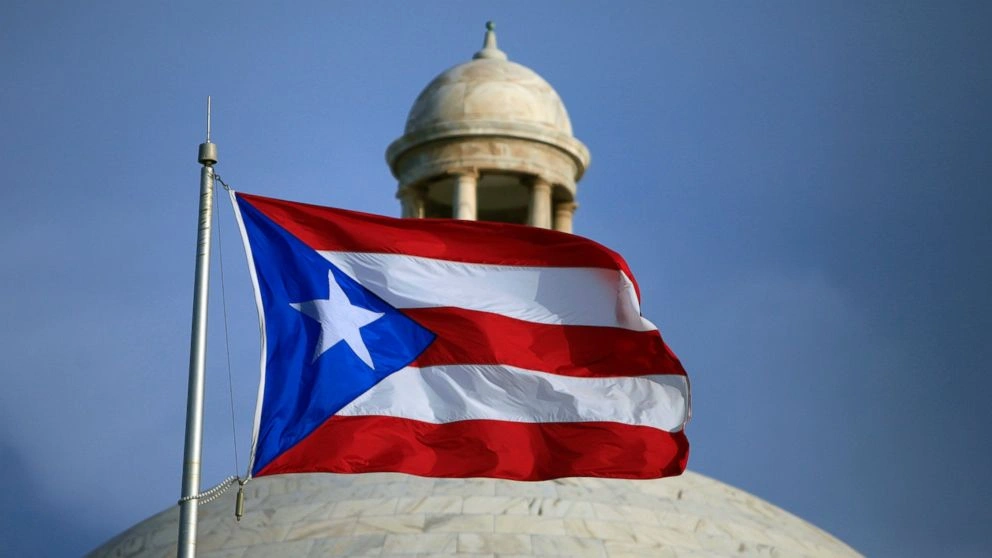
Congressmen Krishnamoorthi and Soto have put forward the Puerto Rican People's Power Restoration Act of 2026. This law would end the PROMESA financial oversight board and give local people back power of their own government.
Puerto Ricans have been living under a financial arrangement for almost ten years that many people on the island call La Junta. The Financial Oversight and Management Board was created by the PROMESA law signed in 2016. It was sold to the public as a temporary solution to the island's crippling $70 billion in public debt. But in politics, temporary often turns into permanent. For the 3.2 million people who live in Puerto Rico, all American citizens, the board has come to mean something much worse than just keeping an eye on the budget. It has come to stand for being powerless. Two members of the US Congress are trying to change that now. Representatives The Puerto Rican People's Power Restoration Act of 2026 was introduced by Raja Krishnamoorthi from Illinois and Darren Soto from Florida. Its goal is simple: to do rid of the oversight board and give the power back to the Puerto Ricans who were legitimately elected. It's not hard to see why this law is needed when you look at what the board has done over the years: cutting pensions that hurt retired teachers and government workers, cutting the education budget that closed schools all over the island, and constantly overruling decisions made by Puerto Rico's own legislature and governor. People who support the bill say that the island's finances have altered a lot since 2016, when debt restructuring was mostly done and revenues were starting to stabilize. In short, the argument is that the emergency is ended and it's time to stop treating Puerto Rico like a ward of Washington. Critics will fight back, saying that taking the board apart too quickly could undo the fiscal restraint that helped stabilize Puerto Rico's bond market. Those are valid worries that should be talked about seriously. But it's also worth talking about whether any level of budgetary restraint is enough to take away a community's right to govern itself democratically for an indeterminate amount of time, with no obvious way out in sight. Even though this law may have a hard time getting through Congress, it is a big step forward in how the federal government talks about Puerto Rico's position and sovereignty.