Neuralink's Arbaugh to Headline 2026 Robotics Summit
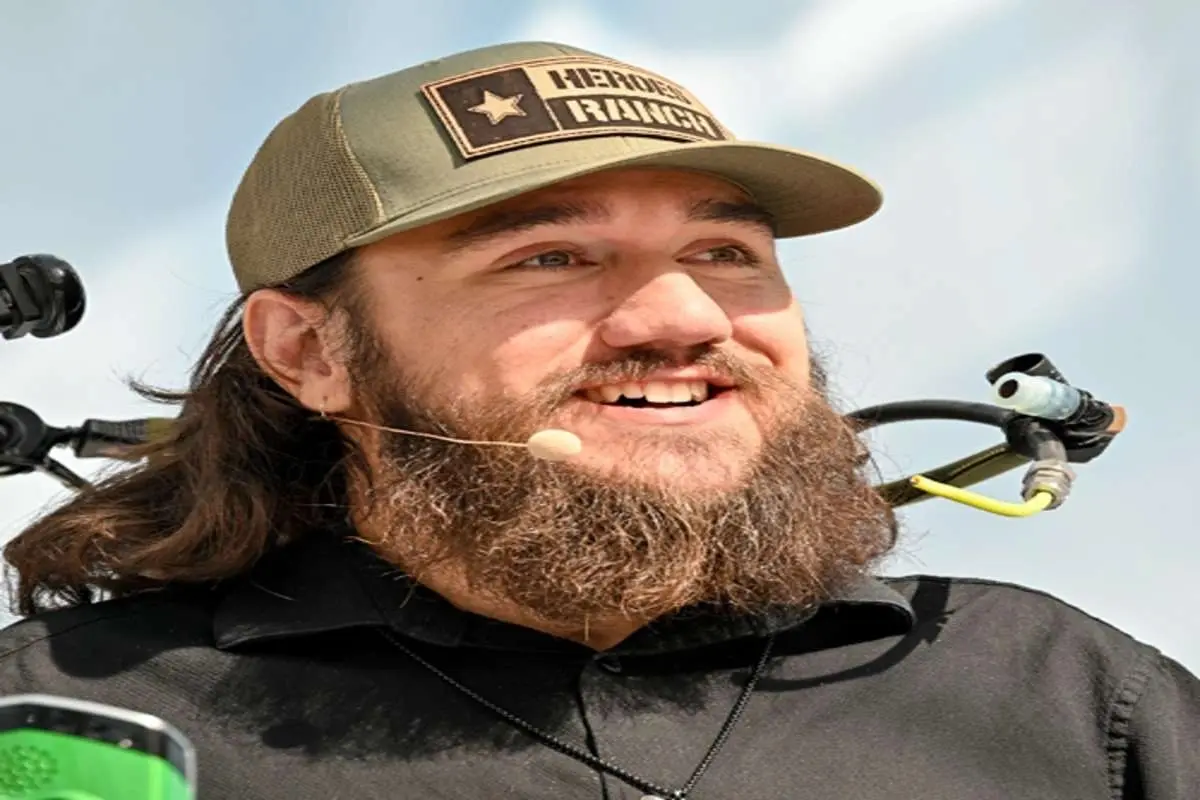
Noland Arbaugh, Neuralink's first human patient, headlines the 2026 Robotics Summit and teases new thought-controlled tech milestones.
Noland Arbaugh did not expect to become the face of neurotechnology. He was a 29-year-old who liked video games and outdoor sports until a shallow-water diving accident in August 2019 left him paralyzed from the shoulders down. For the next four years, doing something as routine as scrolling through his phone required help. Then, in January 2024, a surgical team at a Neuralink-partnered facility placed a small implant into the motor cortex of his brain, and things changed. Not completely. Not in the way movies would have it. But enough. Arbaugh will take the main stage at the 2026 Robotics Summit in San Francisco this April — one of the more unusual bookings the event has made in recent years, given that its lineup typically skews toward engineers and executives rather than patients. Organizers say registration spiked within 48 hours of his name going public. That reaction alone says something about where the conversation around brain-computer interfaces has landed after years of being confined mostly to academic papers and regulatory dockets. The implant Arbaugh carries is called 'Eve' inside Neuralink. It sits flush against his skull, invisible from the outside, and it works by detecting the electrical signals his motor cortex still produces when he imagines moving his hand. Those signals travel wirelessly to a receiver, get processed by software that has spent two years learning the specific patterns of his brain, and come out the other side as cursor movement on a screen. He can browse the web, type messages, play online chess. In a March 2024 livestream that drew millions of viewers, he beat several opponents at chess while lying in bed, running the whole thing on thought alone. That video did more for public understanding of the technology than anything Neuralink had published officially. What the clinical community has been watching more carefully is the durability question. Brain implants have a mixed track record on this front. The Utah Array — one of the most studied BCI devices in research history — typically saw signal quality drop off within a year as the brain's immune response built scar tissue around the electrodes. Eve has now been active for over 26 months without the kind of degradation that plagued earlier designs. Neuralink attributes this partly to the thinness and flexibility of its electrode threads, which cause less mechanical friction against brain tissue than rigid probes. The company has not yet released peer-reviewed data on this, but the real-world performance is being cited in academic circles as a meaningful signal. Arbaugh has been candid in ways that corporate spokespeople rarely are. He told an interviewer in February that people always expect him to say the implant cured him. It did not. He is still paralyzed. He still needs round-the-clock care for most physical tasks. What it gave him back, he said, was the ability to do things on his own terms — to open his laptop at midnight and watch something without waking anyone up to help him, to reply to a message without dictating it to another person. He called it autonomy. Not a cure. Not a miracle. Autonomy. That distinction matters, and it is one of the reasons his voice carries weight at an event like this. The robotics industry has watched BCI development with interest for years, mostly from a distance, waiting for evidence that the technology could hold up outside a controlled lab environment over meaningful stretches of time. Arbaugh represents the closest thing to that evidence currently available. Several companies working on thought-controlled prosthetics and exoskeletons have quietly begun incorporating BCI compatibility into their longer-term roadmaps in the months since his 2024 results went public. The summit session will include a live demonstration — Neuralink and the organizers have not said what exactly — and a panel alongside engineers from the company and at least two robotics firms that have not been named yet. What has generated the most anticipation is a post Arbaugh put up on X in early March: 'I've been sitting on something exciting. Can't wait for April.' He did not elaborate. The BCI research community has been speculating since. The two most discussed possibilities are sensory feedback — meaning the device could eventually send signals back to the brain rather than only reading from it — and direct control of a physical external device, such as a robotic arm, in real time on stage. Neuralink's PRIME trial, the formal study under which Arbaugh was enrolled, received FDA Breakthrough Device designation in 2023. The company has expanded the trial cohort since then, though it has not disclosed how many patients are currently implanted. Arbaugh remains the only one who has spoken publicly in any detail. Independent researchers tracking the trial have been measured in their responses — impressed by the longevity of the results, cautious about drawing broad conclusions from a single case. Getting this technology to work reliably across patients with different injury profiles, different neural anatomy, and different levels of remaining motor function is a problem that has not been solved yet. None of that uncertainty seems to weigh particularly heavily on Arbaugh himself. He has leaned into the public role in a way that suggests he finds it useful rather than burdensome — posting regularly, speaking at events, pushing back when coverage gets things wrong. Whatever he announces in April, the more durable shift he has already made is simpler: he turned a medical trial into something people outside medicine actually followed. That is harder than it sounds, and for a field that has spent decades struggling to bridge the gap between laboratory breakthroughs and public understanding, it matters more than most press releases ever could.