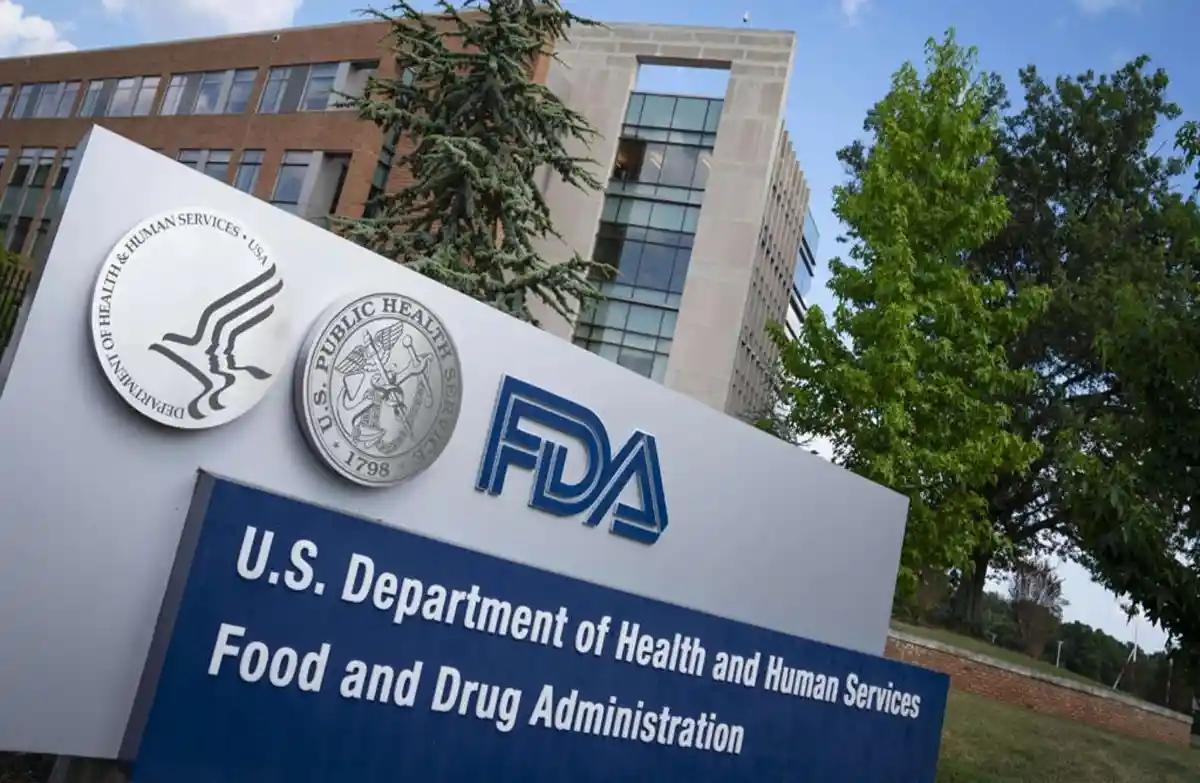
RFK Jr. Removes Leaders of Key U.S. Preventive Health Panel
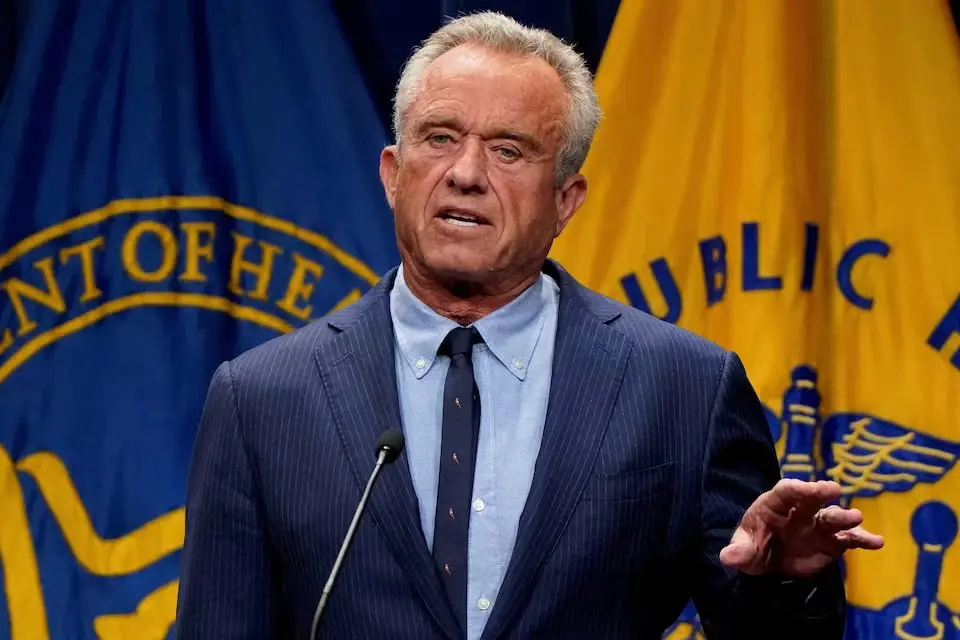
Health Secretary Robert F. Kennedy Jr. dismissed the two vice chairs of the U.S. Preventive Services Task Force on May 11, deepening fears of political interference in a panel that determines what preventive care Americans receive at no cost.
The letters arrived on May 11. No hearing, no warning — just termination notices sent by mail to Dr. John Wong of Tufts University School of Medicine and Dr. Esa Davis of the University of Maryland School of Medicine, the two vice chairs of the U.S. Preventive Services Task Force. Health Secretary Robert F. Kennedy Jr. had quietly moved to decapitate the leadership of one of the most consequential health panels in the federal government, and the medical community did not learn of it until nine days later.The U.S. Preventive Services Task Force is not a household name, but its reach extends into virtually every American's insurance plan. Created in 1984, the independent volunteer panel of physicians and public health experts reviews the scientific evidence behind preventive services — mammograms, colonoscopies, depression screenings, statins for cardiovascular risk, HIV prevention medications — and assigns each a letter grade. Under the Affordable Care Act, any service receiving a grade of B or higher must be fully covered by insurers at no cost to patients. That statutory link between USPSTF recommendations and insurance coverage is what gives the panel its unusual legal weight and, increasingly, its political target on its back.Kennedy's termination letters framed the firings as administrative rather than punitive. The removal, he wrote, followed a review of current appointments and was taken to avoid uncertainty that could jeopardize the validity of future task force actions. It was unrelated, he added, to either doctor's performance. Wong and Davis were told they could reapply for membership — but not for the chair positions they had held.The justification landed poorly among health researchers and clinicians who had watched Kennedy's relationship with the task force deteriorate over the past year. HHS indefinitely postponed the panel's scheduled public meetings beginning in July 2025, effectively freezing the task force in place. Long-anticipated updates on cervical cancer screenings and other topics stalled. Eight of the 16 seats remained unfilled. The panel, by the time Wong and Davis were dismissed, had not met in more than a year.The Supreme Court's 6-3 ruling last June in Braidwood v. Kennedy had already settled the legal question of whether the secretary could act unilaterally. The justices affirmed that USPSTF members are inferior officers under the Appointments Clause, meaning Kennedy holds broad latitude to hire and fire at will. Agency for Healthcare Research and Quality Director Roger Klein cited that ruling directly in an email explaining the terminations.For much of the medical establishment, the legal authority and the wisdom of exercising it are separate questions entirely. Dr. Aaron Carroll, chief executive of AcademyHealth, the national organization for health services researchers, said the dismissals undermine the transparent, rigorous, and nonpartisan process the task force has maintained since its founding. The panel's credibility, he argued, comes from how it works — not from any particular conclusions it reaches. The American Medical Association declared itself extremely concerned and called on HHS to restore the long-standing process for selecting members with genuine expertise in preventive medicine and primary care. Wong and Davis, for their part, both said they are applying to be reappointed to the panel. Wong told CNN they had volunteered thousands of hours reviewing the latest scientific research. What they cannot apply for is the leadership that was taken from them.The practical stakes are significant. The task force maintains more than 100 active guidelines governing coverage for services that range from cancer and diabetes screenings to PrEP, the HIV prevention medication that holds a Grade A rating requiring insurers to cover it without cost-sharing. Any disruption to the grading process, or any shift in the composition of the panel that rewrites existing recommendations, carries direct consequences for what patients pay at the point of care. Kennedy has offered no public timeline for filling the vacant seats or reconvening the panel. What he has signaled, through the cancellations, the firings, and the reappointment process now underway, is an intention to reshape the task force's membership in his own image — much as he did with the CDC's vaccine advisory panel in June 2025, replacing all 17 members and installing several figures with documented anti-vaccine records. Whether the USPSTF that emerges from that process will retain the scientific independence that has made its recommendations legally and clinically binding is a question the medical community is watching closely and answering, for now, with open alarm.