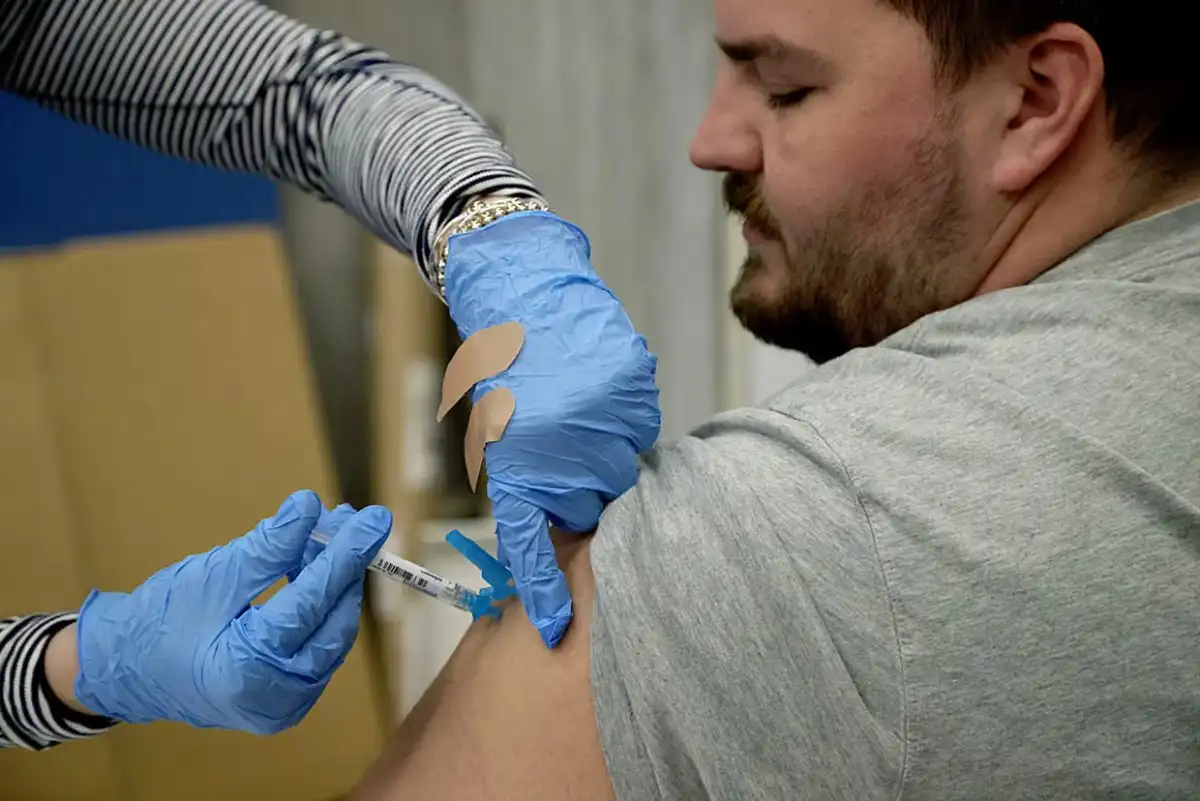
FDA and CMS Launch RAPID Pathway to Fast-Track Device Access

The FDA and CMS unveiled the RAPID coverage pathway on April 23 — a joint initiative that folds Medicare coverage decisions into Breakthrough Device review and slashes the wait from over a year down to roughly two months.
The gap between a medical device earning FDA authorization and that same device reaching a Medicare patient has never been a secret problem. Industry has complained about it for years. Patients have waited through it.And policymakers have cycled through several attempts to fix it without ever quite closing the distance.On April 23, the Centers for Medicare & Medicaid Services and the Food and Drug Administration announced something that moves in a different direction than any of those prior attempts: the Regulatory Alignment for Predictable and Immediate Device coverage pathway — RAPID.The name describes the mechanism. Where FDA market authorization and CMS National Coverage Determination have historically operated on separate tracks, often separated by a year or more of duplicative review, RAPID pulls those two processes into alignment from the start. CMS will now participate in the early and frequent engagement between the FDA and device manufacturers — joining conversations that previously happened without any input from the agency that ultimately controls whether Medicare pays.Eligibility criteria are specific. RAPID applies to FDA-designated Breakthrough Devices addressing unmet medical needs among Medicare beneficiaries — specifically, certain Class II devices enrolled in the FDA's Total Product Life Cycle Advisory Program and all Class III devices regardless of TAP participation. Devices pursuing the pathway must also be the subject of an Investigational Device Exemption study that enrolls Medicare beneficiaries and measures clinical health outcomes that both agencies have agreed upon in advance.That last requirement is where the structural change actually lives. Under the predecessor program — the Transitional Coverage for Emerging Technologies pathway — CMS was not involved in trial design. Manufacturers generated data to satisfy FDA's evidentiary standards and then discovered CMS needed a different or broader data package to make a coverage determination. RAPID is designed to eliminate that mismatch before a single trial patient is enrolled.The coverage timeline that results is measurably different from what the current system produces. Under RAPID, CMS will issue a proposed National Coverage Determination on the same day an eligible device receives FDA market authorization, triggering the required 30-day public comment period immediately. The projected result is national Medicare coverage and payment within roughly two months of authorization — compared to a year or more under existing processes.CMS Administrator Dr. Mehmet Oz framed the announcement around regulatory coordination: the pathway brings both agencies together earlier, cutting red tape for innovators and helping beneficiaries access life-changing technology faster. FDA Commissioner Marty Makary was more direct — the two agencies are now functioning as a single team to deliver life-saving Breakthrough devices to American patients as soon as the evidence confirms they work.CMS also confirmed it is pausing the TCET pathway for new candidates while it concentrates on RAPID's implementation. A proposed procedural notice will be published in the Federal Register, opening a 60-day public comment window before CMS issues a final notice establishing the effective date.As of December 31, 2025, the FDA had granted 1,246 Breakthrough Device designations. Not every one will qualify — the IDE study requirement and Medicare beneficiary enrollment criteria will filter the field — but RAPID creates a lane that did not exist before for the devices that do meet the bar.Whether RAPID delivers what the MCIT rule, the TCET pathway, and years of industry lobbying could not fully accomplish remains to be proven in execution. The structural design is more considered than what preceded it. The test will come when the first eligible device crosses the finish line and Medicare coverage follows within the promised two-month window.