Trump Extends Iran Ceasefire After Pakistan's Diplomatic Push Amid Inflation Fears
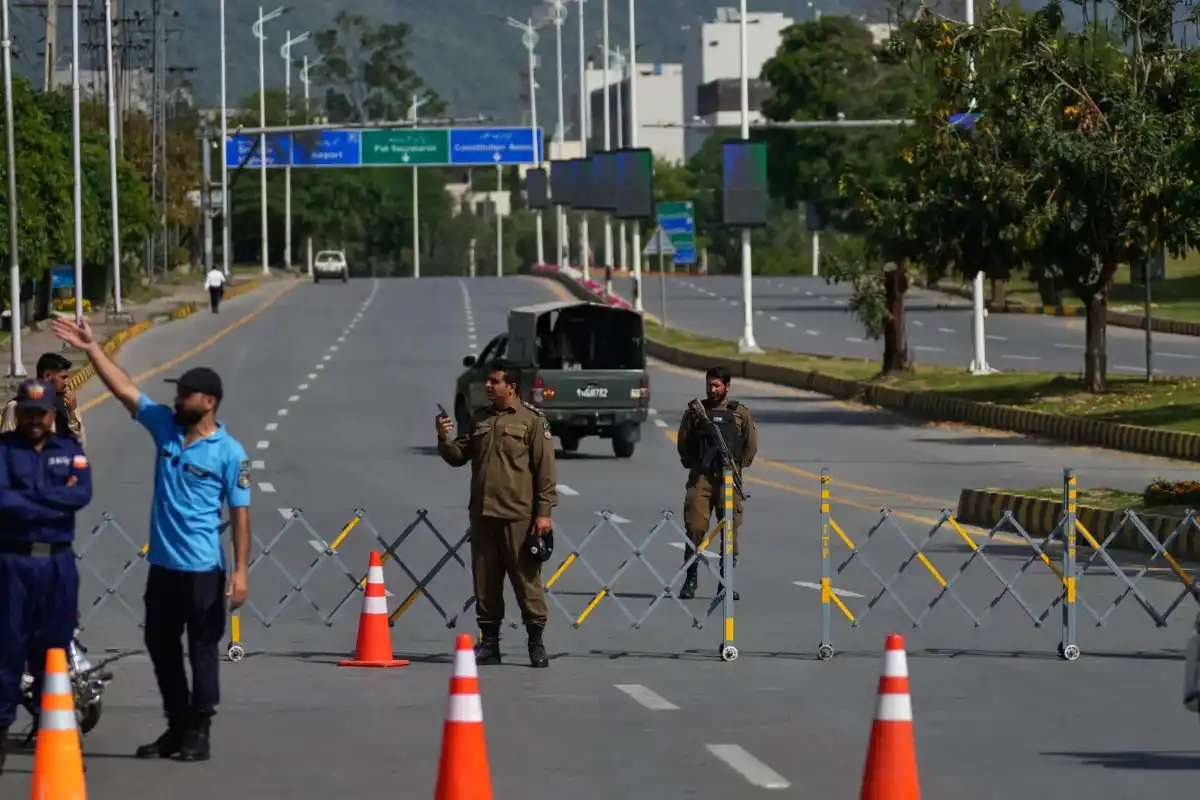
Trump extended the Iran ceasefire indefinitely on Pakistan's diplomatic request,as new polls show Americans increasingly blaming the ongoing conflict for rising consumer prices.
President Donald Trump announced Tuesday that the United States would extend the ceasefire with Iran indefinitely,acting on a direct diplomatic request from Pakistan to allow Tehran additional time to formulate what officials in Islamabad described as a unified proposal for a broader negotiated settlement.The extension,confirmed by the White House in a brief statement late Tuesday afternoon, marks the second time in three weeks that the administration has paused offensive operations in response to third-party mediation efforts.Pakistan, which has quietly positioned itself as a back-channel interlocutor between Washington and Tehran since the conflict escalated in February,conveyed the request through diplomatic channels over the weekend.Senior administration officials declined to specify how long the extension would remain in effect,describing it only as open-ended pending receipt of a credible and comprehensive framework from the Iranian side.The language left analysts uncertain whether the pause reflected genuine diplomatic momentum or a temporary measure designed to relieve domestic and international pressure on the administration.The announcement came as fresh polling data posed new complications for the White House.A Reuters/Ipsos survey released Tuesday found that 61 percent of American adults now believe the conflict with Iran is contributing to inflation,up from 48 percent in a February poll conducted shortly after hostilities commenced.Among independent voters,that figure climbed to 67 percent a threshold that strategists in both parties described as politically significant heading into the midterm cycle.Energy prices have risen sharply since the conflict disrupted shipping lanes in the Persian Gulf,and the Federal Reserve has acknowledged that geopolitical uncertainty is complicating its ability to project a clear path on interest rates.Grocery and transportation costs have registered increases that consumer advocates and opposition lawmakers have attributed directly to the war's effect on global supply chains.Senate Minority Leader Chuck Schumer,responding to the ceasefire extension from the Capitol steps, called the announcement too limited and too late,arguing the administration lacked a coherent post-ceasefire strategy and had offered no public benchmarks by which the success of negotiations could be measured.He demanded a classified briefing for Senate leadership within the week.On the Republican side,reaction was more measured but not uniformly supportive.Senator Lisa Murkowski of Alaska, one of five Republicans who voted in favor of Tuesday's earlier war powers resolution,welcomed the pause but said the extension needed to be accompanied by a formal diplomatic framework and a defined timeline.A ceasefire without a roadmap, she told reporters, is simply a delay,not a resolution.Pakistani Prime Minister Shehbaz Sharif, speaking in Islamabad,confirmed his government had made the request to Washington and said Pakistani diplomats were actively engaged with Iranian counterparts to produce a proposal that both sides could bring to a formal table. He expressed confidence that a framework was within reach in the coming weeks, though he offered no specific deadline.Iran's foreign ministry issued a statement acknowledging the extension but stopped short of confirming participation in any unified proposal process.The statement urged the United States to lift what it called punitive economic measures as a precondition for substantive talks a demand the White House had previously and publicly rejected.For the administration, the ceasefire extension represents a narrow path between competing pressures: appearing diplomatically engaged without conceding strategic leverage,and managing domestic economic anxiety without signaling that public opinion is steering wartime decisions.Whether Pakistan's mediation effort produces a durable framework or simply extends the current ambiguity remains the central question facing both capitals as April draws to a close.