Google Play Opens External Billing as New App Payment Rules Begin June 30
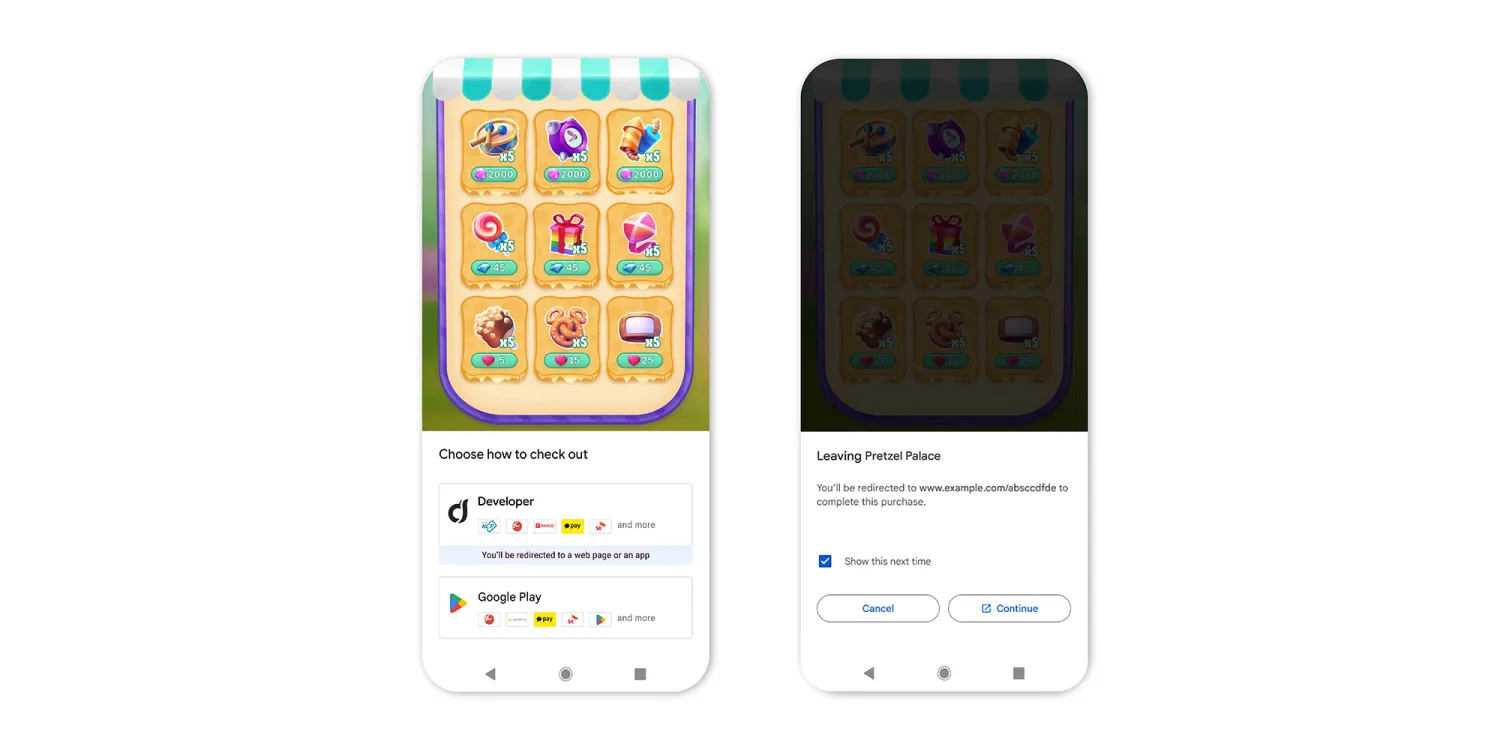
Google is introducing one of the biggest changes in the history of the Play Store, allowing Android developers to use external billing systems alongside Google Play Billing beginning June 30 in the United States, the United Kingdom and the European Economic Area. The policy marks a major shift in how developers can monetize apps and follows years of legal and regulatory pressure over Google's app store practices.
Developers will now be able to direct users to external payment methods or process transactions through their own billing systems while continuing to distribute apps through Google Play. The changes separate Google's long-standing service fee from its billing fee, giving developers greater flexibility in how purchases are handled.
The new framework stems from Google's lengthy legal dispute with Epic Games and broader antitrust scrutiny surrounding mobile app marketplaces. The company says the revised model expands developer choice while maintaining security protections for Android users.
Google described the changes as the beginning of a broader transformation of the Android ecosystem, with additional regions expected to adopt the new billing structure over the coming months and years.
Lower Fees Replace the Traditional Play Store Model
Alongside expanded billing options, Google is introducing a new fee structure that reduces costs for many developers. Beginning June 30, the service fee starts at 10% on the first $1 million in annual earnings, with that same rate applying to auto-renewing subscriptions. Transactions beyond that threshold will follow revised service fee schedules depending on whether users are new or existing installs.
For developers choosing to continue using Google Play Billing, an additional 5% billing fee will apply in the United States, United Kingdom and European Economic Area. Apps using alternative billing systems or external web links will not pay that billing fee, reflecting Google's decision to separate payment processing from Play Store distribution.
Google also introduced updated Games Level Up and Apps Experience programs, allowing eligible developers that meet quality and user experience requirements to qualify for even lower service fees. The company said detailed program guidelines are already available, with the new rate cards becoming available later this year.
The revised pricing structure represents one of the most significant financial changes for Android developers since Google Play launched more than a decade ago.
Epic Games Case Reshaped Google's App Store Policies
The policy changes follow Google's long-running legal battle with Epic Games, which challenged the company's Play Store rules and mandatory billing requirements. Courts ruled that Google must make significant changes to Android's app marketplace, prompting the company to redesign how billing, developer fees and third-party app distribution operate.
Under the new framework, developers can talk to users directly about purchasing options outside of Google Play, but still keep access to Google’s distribution platform. They may also create their own payment choice screens that comply with Google's user experience guidelines.
Although Google continues to argue that its existing ecosystem provides important security and consumer protections, the company says the new approach offers significantly greater flexibility while preserving user safety. The changes also align with broader regulatory efforts aimed at increasing competition in digital marketplaces.
The settlement has become one of the most consequential antitrust outcomes affecting the global mobile app industry in recent years.
Impact Could Reach Beyond Android
Industry observers believe Google's new policies could impact other major app marketplaces, especially as regulators continue to examine platform control over digital payments. AppleInsider notes that Google's approach could provide an early look at changes that could eventually impact Apple's App Store as similar legal and regulatory challenges continue. For Android developers, the immediate impact is greater flexibility on how digital transactions are processed and how revenue is shared.
Larger developers could then pay less, while smaller developers have more options for reaching customers outside of Google’s billing system. Google plans to roll out the new billing framework to more regions via a phased approach that runs through 2027. Until then, the United States, United Kingdom and European Economic Area will be the first major markets to operate under the new Play Store payment system.