Trump Pressures Exxon and Chevron to Cut Gas Prices After Record Oil Profits
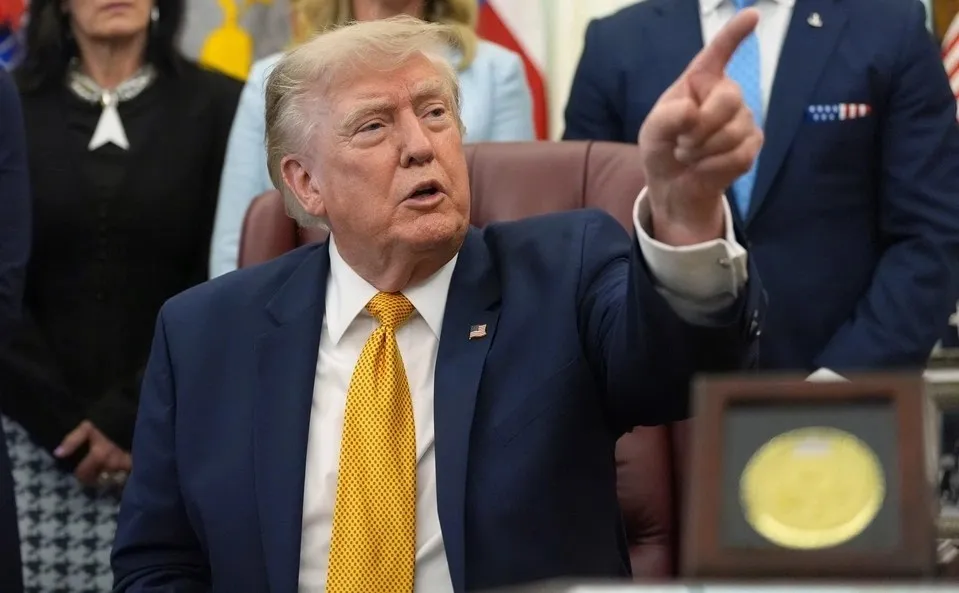
President Donald Trump on Friday urged the largest U.S. oil companies, including ExxonMobil and Chevron, to lower gasoline prices, saying energy firms are making "outrageous" profits after a recent jump in oil prices over the conflict with Iran. Energy companies reported strong earnings. Trump said it would mean lower fuel costs for consumers.
The comments come after sharp gains in earnings reported by ExxonMobil and Chevron during a period of high oil prices and market volatility. Trump said it was for companies to pass on more benefits to consumers rather than pocketing more profits as households keep seeing higher fuel bills. The confrontation highlights growing political pressure over energy prices, with fuel costs becoming a major issue for consumers and policy makers. Trump has repeatedly tied the cost of energy to his administration’s actions and pushed oil producers.
Gas Trump Blasts Oil Firms Over High Gas Prices
Donald Trump also took a swipe at ExxonMobil and Chevron, saying the companies had been big beneficiaries of higher oil prices during the conflict with Iran. The argument was that energy producers should lower the price of gasoline for American consumers rather than let profits soar while fuel prices are high.
Trump has blasted big oil companies for their profits as geopolitical tensions pushed energy markets higher. The president said he was upset consumers were shelling out more at the pump while large energy companies were showing improved financial performance. The remarks put the administration at odds with the oil industry, which has traditionally backed policies to increase domestic energy production. Trump has called for more drilling and independence from energy, but also pushed companies to keep consumer prices low.
Gas prices are not set by the companies, but by global oil markets, supply and demand, refining capacity and geopolitical events, industry officials say. Analysts said oil companies do not directly set retail fuel prices and they are subject to many factors along the supply chain.
Gas Energy Market Debate Rekindled by Iran Row
The tussle between Trump and the oil companies comes amid turmoil roiling global energy markets over the conflict with Iran. Oil prices rose on fears of supply disruptions and geopolitical risks, adding to the pressure on fuel markets and consumers. The fighting has sent shockwaves through the world energy sector with traders watching oil supplies, shipping routes and diplomatic developments very closely. Energy prices were a major economic issue, with rising fuel costs adding to concerns about inflation and the squeeze on households.
The oil companies, Trump said, made money from the crisis and should respond by cutting retail fuel prices. Prices also could plummet if tensions in the Middle East ease and supply fears fade, he said. But energy analysts say oil markets are global, so companies have to respond to world prices, not set gas prices in a vacuum. What you pay at the fuel station depends on a number of factors including supply disruptions, refinery operations, transportation costs and market demand.
Gas Exxon, Chevron Face Political Backlash After Strong Earnings
ExxonMobil, Chevron under greater scrutiny after strong earnings in a high energy price environment. Trump’s criticism has compounded the political pressure on the companies as lawmakers debate the role of energy firms in times of market volatility. The companies have defended themselves by pointing to the complexity of global energy markets and the need to keep investing in production, infrastructure and energy security. “Profitability is what allows companies to invest in future supply and keep energy reliable,” said industry officials.
That debate is a microcosm of a larger disagreement about the role oil companies should play in periods of high prices. Critics of the industry say energy producers must be more responsible when consumers are suffering, particularly when they are making large profits. And supporters of the industry argue that profitability is needed to sustain investment and competitiveness.
The political focus comes as the administration faces pressure to address inflation and cost-of-living concerns. Gasoline prices remain on voters’ minds as the price of fuel affects the price of transportation and family budgets.
Gas Prices Still Reflect the Energy Situation in the World
Many factors will shape where gasoline prices go from here, including developments in the Iran conflict, worldwide crude oil supplies, refinery capacity and market demand. Trump has urged companies to reduce prices, but energy markets are driven by global forces beyond the control of any individual producer. Trump’s clash with the oil majors highlights the political challenge of keeping energy prices low while investing for the long haul. Low fuel costs are good for consumers, but energy companies say they need consistent profits to keep producing and maintaining their infrastructure.
Geopolitical risks will continue to influence global energy markets and gasoline prices will be a major economic and political concern. You can expect the administration to keep the pressure on energy companies to bring down prices for consumers and ease inflation fears. The current confrontation between government officials and oil producers raises a larger question about how energy markets should balance consumer affordability, corporate profitability and national energy security.