Anthropic and OpenAI Push for AI Safety Rules as Industry Faces Growing Scrutiny
Executives at Anthropic and OpenAI have called for stronger safety measures and independent testing as the artificial intelligence industry faces a new debate over how quickly advanced artificial intelligence systems should be developed. The debate has grown more heated as more capable AI models are deployed in business, software development, and other professional uses.
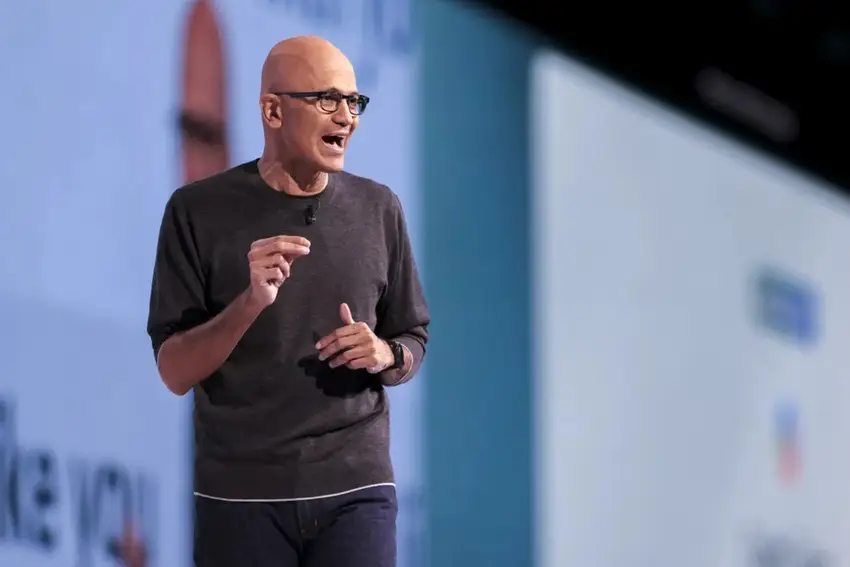
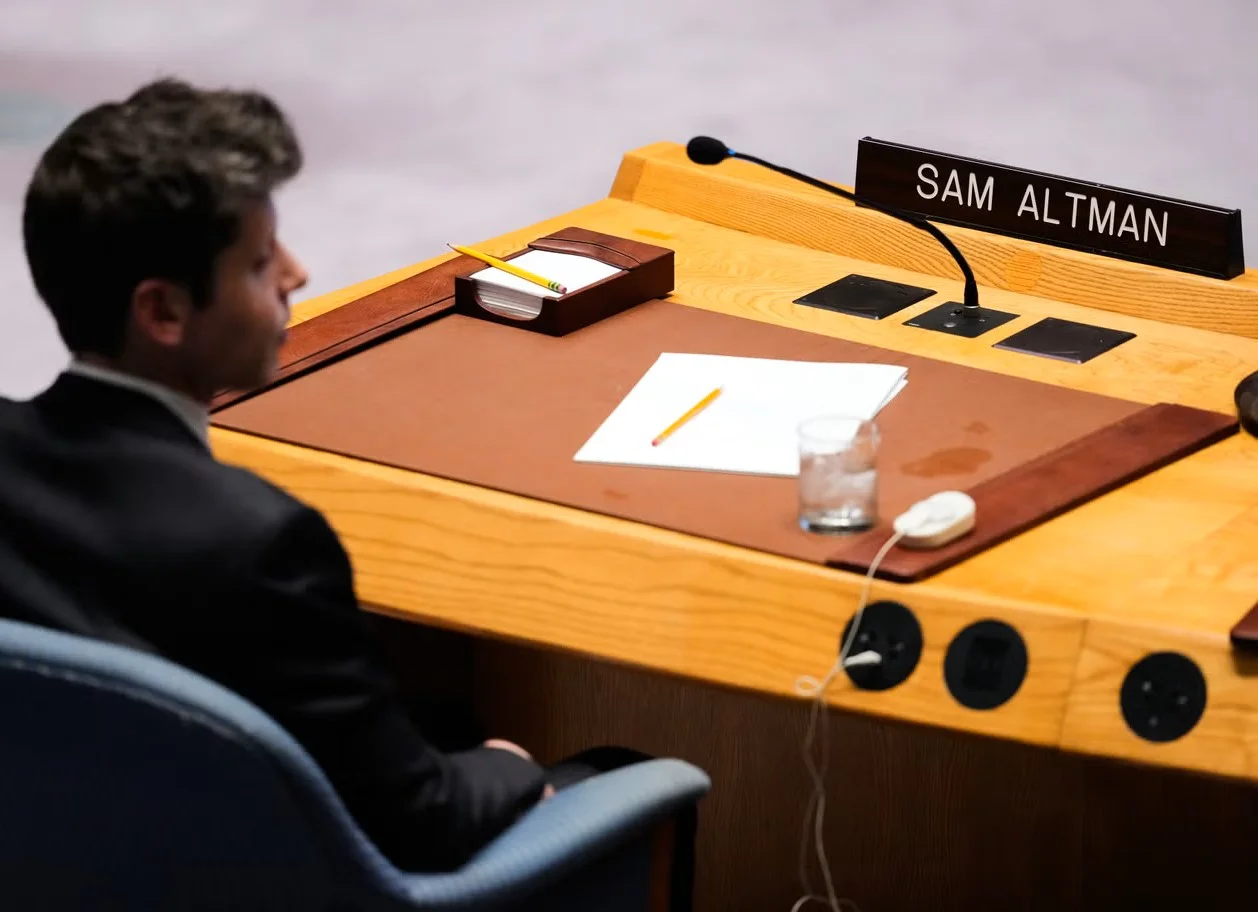
Anthropic CEO Dario Amodei has warned that the industry should slow down the pace at which AI capabilities are improved, warning that increasingly powerful systems could create serious risks if development outpaces safety measures. OpenAI CEO Sam Altman has also called for more focus on AI safety, and other tech leaders have joined the conversation.
The proposals from the companies also call for more involvement from independent evaluators who can examine advanced artificial intelligence systems and determine whether companies’ safety procedures are working as intended. That push comes as governments and policymakers debate how to regulate AI.
Meanwhile, the debate is taking place within the framework of a fast-growing commercial market. AI companies are spending heavily on computing infrastructure and increasingly sophisticated models, and investors are watching the sector’s growth closely.
This creates a complicated situation in the industry. Companies need to prove their technology is safe while competing in a market where model performance, speed, and commercial adoption are still key measures of success.
So, the safety discussion has moved from technical research into questions of regulation, corporate governance, investment, and the future structure of the AI industry.
US Midterm Elections and Political Pressure Add Another Layer
The AI safety debate is also becoming increasingly entangled with US politics. Leading AI companies are pushing for stronger oversight ahead of the 2026 midterm elections, when artificial intelligence regulation is expected to remain a key policy issue, the AP says.
The Trump administration has taken a different route than those calling for broad new restrictions. President Donald Trump has dismissed warnings of grave risks from AI, arguing against further controls that could slow American technological development. His administration has stressed the significance of maintaining US leadership in artificial intelligence, particularly as it faces competition from China.
That leaves a good deal of policy space. AI companies are asking for more safety testing and, in some cases, clearer rules, while government officials have to weigh whether more regulation could stifle innovation, investment and US competitiveness.
The dispute is not just in Washington. Tech executives, researchers and independent AI-safety groups disagree on which risks deserve the most immediate attention. Some are concerned about long-term issues involving more autonomous systems; others are concerned about current issues including cybersecurity, surveillance, misinformation, and military applications.
So, an independent evaluation has become an important part of the discussion. But questions remain over who should carry out those evaluations, how much access companies should allow, and whether privately chosen evaluators can be sufficiently independent.
Lawmakers continue to debate how much responsibility should be left to technology companies and how much should be shifted to government regulators, so the political debate is likely to continue.
AI Safety Debate Encounters Anthropic, OpenAI IPO Plans
The safety debate is especially timely, as many of the big AI companies are also gearing up for potential listings on the public markets.
Investors have put big valuations on both Anthropic and OpenAI, and Anthropic has been moving toward an expected IPO. That adds a financial element to the companies’ public discussion of AI safety.
Anthropic’s CEO has issued simultaneous warnings of the potential dangers of ever-more-competent AI and positioned the company as a heavily responsible development organization. Analysts quoted by the AP and the Washington Post have questioned how investors might take that mixture of safety warnings and ambitious commercial plans.
On the issue of public markets, OpenAI has taken a different immediate tack. Sam Altman said earlier this September that OpenAI wouldn’t go public in 2026, citing the broader safety environment around AI.
Anthropic, meanwhile, still faces competitive pressure from OpenAI and other AI developers. Anthropic was considering a new model ahead of its anticipated IPO, Reuters reported, as OpenAI’s latest model caught on among businesses and developers.
That very competitive environment makes the discussion of the slowdown particularly tricky. A company might argue for more careful development but still needs to be able to show customers and investors that it is making progress on technology.
Open-source and open-weight models are giving businesses more options, which is increasing competition in the AI market. That might put strain on the economics of leading commercial AI providers and raise the importance of sustainable revenue growth.
Next Phase of AI Regulation Could be Shaped by Independent Testing
One of the main proposals to come out of the debate is the use of independent evaluators to test advanced artificial intelligence systems before or during deployment.
The idea is to add a layer of oversight beyond the safety procedures companies run internally. Independent bodies could examine patterns of dangerous capabilities, anomalous behaviors, and other hazards before those systems are widely used.
But the form of such oversight is still an open question. There are currently no universal standards for how artificial intelligence systems should be tested for safety and security, AP reported. The ways of working, the access regimes and the relationships with technology companies are what define the existing evaluation organizations.
This calls into question independence. Critics might ask if those reviewers have enough authority or access for meaningful assessments if AI companies get to pick who reviews their systems.
The debate also prompts the question of government involvement. The US already has federal infrastructure to evaluate advanced AI models, but the companies' proposals have strongly emphasized independent evaluation, rather than relying solely on government oversight.
So, the next few months could be big commercially and politically for Anthropic and OpenAI. They are under pressure to keep improving their models and to show that more powerful systems can be built responsibly.
It is not likely just to come up with one single solution immediately. Instead, it is nudging AI safety in a broader direction with companies, independent evaluators, policymakers, and researchers.
As technology becomes more powerful and more commercially important, the question of who makes the rules and who checks that the companies are following them is moving into the center of the future of artificial intelligence.