Anker MindBase Introduces an AI-Powered Smart Home Hub With Local Storage and Security Features
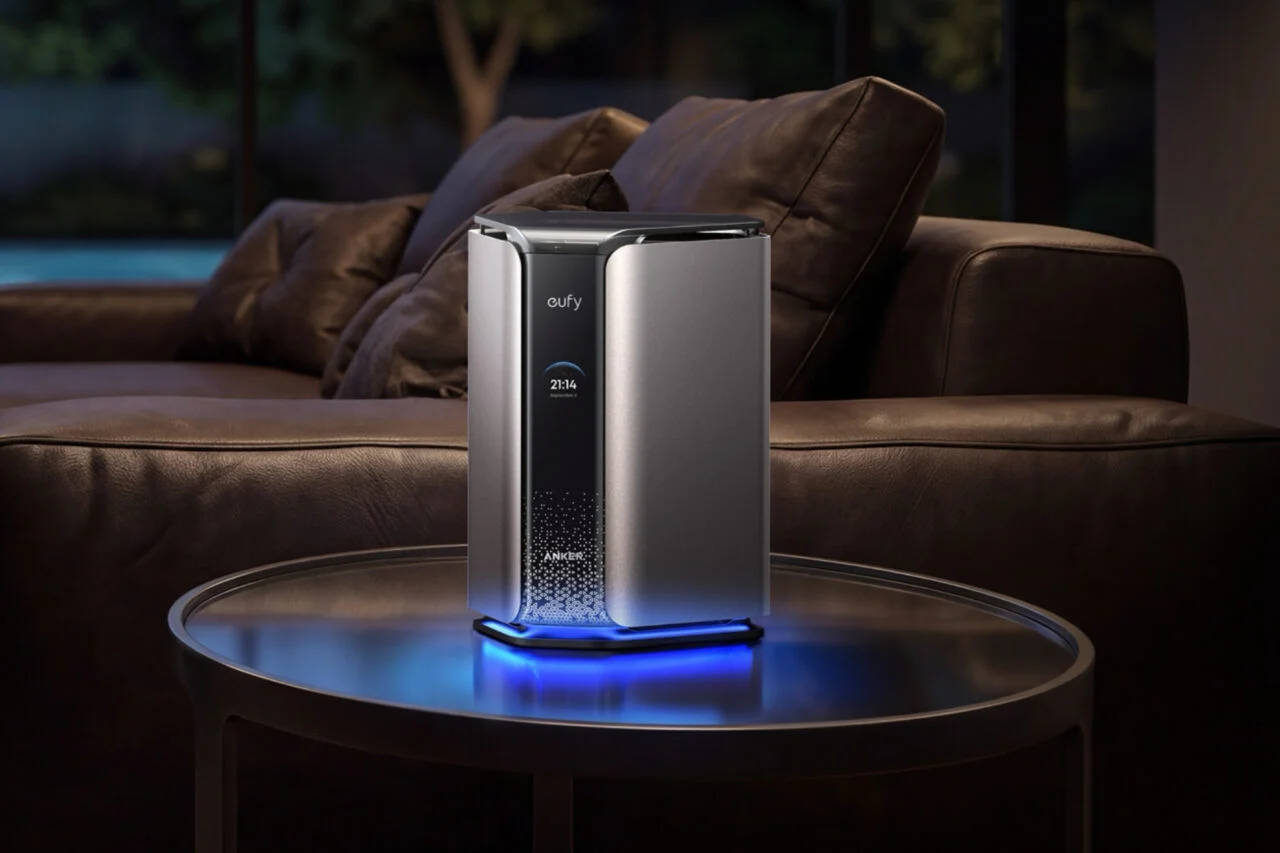
Anker today unveiled the MindBase, an AI-powered home hub that combines smart home control, security monitoring and personal data storage in one device. The product was unveiled at IFA 2026, part of a broader push by Anker into connected home tech, with MindBase pitched as the central intelligence system for the modern home.
Unlike conventional smart home hubs, which simply link devices, MindBase’s built-in AI processes information locally. The system can assess events, control connected devices and perform AI-powered tasks without always sending data to the cloud, Anker says. The idea is to improve privacy and reduce the reliance on external servers.
MindBase focuses on a mix of smart home automation and network attached storage (NAS) functionality. The device is equipped with a 64GB SSD and two drive bays for additional hard drive storage so users can store personal files, photos, videos and security recordings locally.
Anker is selling the product as a replacement for a whole bunch of different smart home devices. Rather than having separate systems for security cameras, home automation and storage, MindBase is looking to merge these functions into one AI-powered platform.
The company sees this as the next step in smart homes, where devices do more than respond to commands but actively analyze situations and assist users. With AI increasingly built into consumer technology, Anker is trying to make the home itself smarter, more automated and personalized.
MindBase Has AI Security, Smart Controls and Local Data Processing
A major focus of Anker MindBase is home security. The hub is intended to work with Anker’s Eufy security ecosystem including cameras and sensors, and upcoming smart monitoring products. The system employs AI to analyze events in real-time, identify potential risks and generate alerts based on observed activity.
MindBase can handle up to 16 wireless cameras and 4 wired cameras, along with a range of sensors for security and automation. The platform has AI features like facial recognition, person detection, vehicle and pet recognition and the ability to conduct natural language searches of recorded footage.
The company is also emphasizing privacy by processing data locally. MindBase processes data on-device with AI, analyzing data within the home, rather than sending camera footage and household data to cloud servers miles away. This gives users more control over their personal data while still being able to leverage advanced AI features.
MindBase is also designed to handle normal smart home functions beyond security. It supports the Matter smart home standard, and can connect with more than 40 types of compatible devices including lighting, sensors and climate control. It will also work with platforms like Apple HomeKit Secure Video, Amazon Alexa, Google Home and Home Assistant.
Anker’s strategy is in line with the broader industry trend toward smarter home ecosystems, where artificial intelligence has a larger role in controlling devices, improving security and automating routine chores.
Big Storage Capacity and Growing Smart Home Ecosystem
The biggest differentiator for MindBase is the combination of AI computing and local storage. The device can provide up to 48TB of expandable storage, so families can store large collections of photos, videos and security footage without relying entirely on subscription-based cloud services.
The storage method is for users who want more control over their personal data. Many smart cameras and home systems are heavily reliant on cloud storage plans, but Anker is selling MindBase as a system that stores more data in the user’s own home.
The company is also expanding the range of devices that work with MindBase. The hub will be joined by new products, including the Eufy TrackLight Cam S1, a security camera with AI tracking, and the Eufy Video Doorbell S4, which offers panoramic viewing and AI-powered monitoring.
Anker also introduced other sensors such as a fall detection sensor using mmWave technology to detect falls and inactivity. The feature is meant to improve home security, particularly for the elderly or homes that require added monitoring functionalities.
Instead of selling standalone smart devices, the company seems to be building a more comprehensive AI-powered home ecosystem. MindBase combines automation, security and storage, and Anker hopes it will be the basis for a more connected home environment.
MindBase: The AI Home of the Future
Anker MindBase is a piece of a broader consumer tech trend: taking artificial intelligence from cloud-based services to local devices. Companies are processing information right in the home for faster response times, better privacy protections, and more personalized experiences.
The product also represents the increasing competition between tech firms to define the future of smart homes. Traditionally, smart assistants have been used for voice control of devices, but the newest systems are starting to provide proactive automation, AI analysis and independent decision-making.
Anker’s challenge will be convincing consumers that one AI-powered hub can handle multiple parts of their home effectively. Safety, privacy and compatibility will be the big drivers in whether people use these systems.
Questions of accessibility and market positioning remain, as the company has not yet announced final pricing or a release date for MindBase.
If successful, MindBase could be a quantum leap in smart home technology, combining the functionality of a security system, personal cloud storage device and automation controller into one platform.
As artificial intelligence seeps into every technology that we use, products like MindBase provide us with a glimpse of how the homes of the future may not be about connected devices but about smart systems working together in tandem.