Tyson Foods to Close or Sell Three US Beef Facilities Amid Historic Cattle Shortage
Tyson Foods is closing two facilities and seeking to sell a third as a record shortage of cattle and higher costs of production push the company to make changes in its U.S. beef operations. The move is a major reduction of Tyson’s beef processing footprint in what has been one of the toughest supply environments the industry has faced in decades.
The meat giant said it will close its beef plant in Joslin, Ill., and its case-ready beef operation in Eagle Mountain, Utah and seek a buyer for its beef plant in Pasco, Wash. Tyson said it will move production capacity from those plants to others as it consolidates its beef business around larger, more efficient operations.
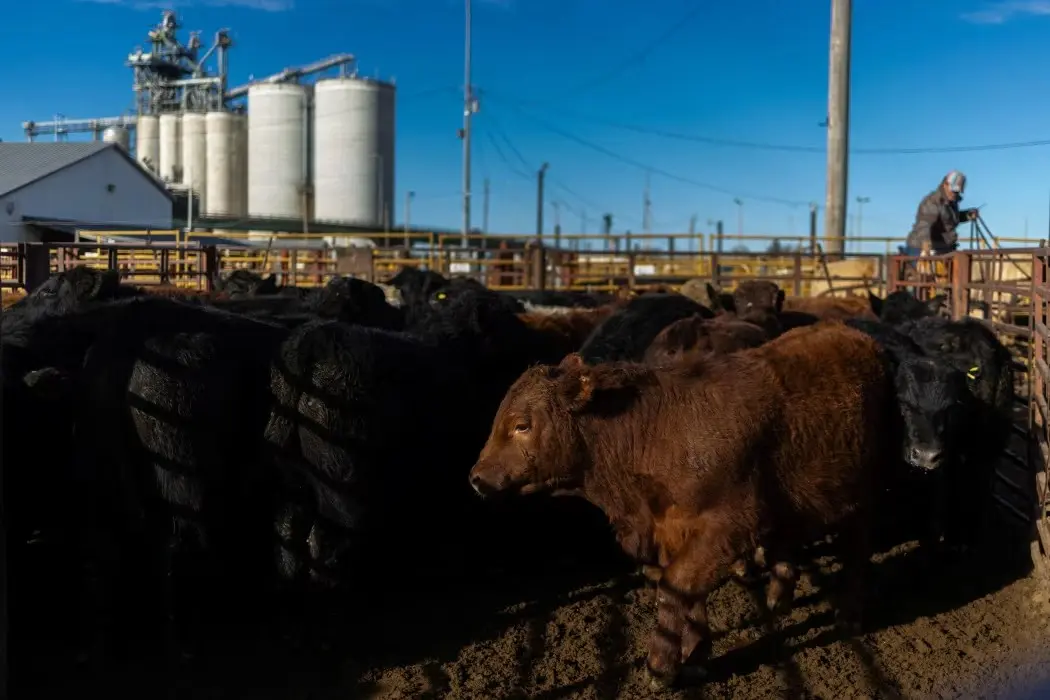
The restructuring comes as the US cattle herd is at its lowest level in about 75 years. The beef industry is under immense pressure from drought, herd reductions, and higher livestock costs. One of Tyson’s biggest headaches has been its beef division, where fewer cattle has meant higher costs and limited processing volumes. The company is bracing for a significant dent in its beef operations in fiscal 2026 as it navigates difficult market conditions.
Tyson Restructures Beef Ops Amid Cattle Supply Crisis
The latest shutdowns come as Tyson Foods seeks to streamline and improve the efficiency of its beef business over the long term amid a constrained cattle supply. The company will close its beef plant in Joslin, Illinois, and its case-ready plant in Eagle Mountain, Utah, and move the production capacity to other plants. Tyson also has put its beef plant in Pasco, Wash., on the market.
Tyson said it will consolidate its beef processing around large plants at Dakota City, Neb., Holcomb, Kan. and Amarillo, Texas. As cattle supplies recover, the company expects these locations to be a more efficient network over time. This follows previous reductions in Tyson's beef network, including earlier reductions in processing capacity. The company has been having a hard time matching its operations to the cattle available in the market.
Joslin alone is a key node in Tyson’s beef network, with thousands of workers and a large stream of cattle processed. The closure is indicative of how bad the supply shortages are for meat processors. “We will work with affected employees thru the transition process, including potential relocation opportunities, when possible,” Tyson said. The company’s restructuring is a microcosm of a bigger issue facing US meat processors: how to make money when livestock supplies are tight and cattle prices high.
But unlike other industries where companies can ramp up production quickly to meet demand, cattle production takes years of herd growth before more supply can be processed. The current shortage is particularly tough on meat companies because of the long production cycle.
US Beef Industry Facing Pressure from Historic Cattle Shortage
The U.S. cattle industry is in one of the worst supply shortages of modern times. The national cattle herd has been drastically reduced after years of drought and difficult economic conditions for ranchers. Meat companies are in a bind. Fewer cattle to process is driving up their costs, keeping beef prices high for consumers and making it tough for processors to stay profitable.
The difference has hit Tyson’s beef division directly. Beef prices have risen but the company has had limited ability to take advantage of higher consumer prices due to higher cattle acquisition costs. The company posted steep losses in its beef business and anticipates ongoing pressure as supply constraints continue. Cattle shortages have also affected competitors in the meat industry. Other big beef processors have had similar difficulty getting hold of the tight supply of cattle.
Industry officials have warned it will take time to rebuild the cattle herds. Ranchers need better weather, cheaper feed and more attractive financial incentives to boost production. Food inflation worries have also been fueled by shortages. Beef remains one of the priciest proteins in U.S. supermarkets, and ongoing supply shortages may keep prices elevated.
Officials have examined ways to free up more beef, including possible changes to import rules and assistance for local production. But boosting supply is probably a long-term fix, not a quick fix. Tyson and other meat companies are focused on operating efficiently and managing capacity until cattle supplies improve.
If Beef Plants are Shut, It Could be Hard on Workers and Local Economies
The decision by Tyson to close plants will have ripple effects beyond the operations of the company, particularly in communities that rely on beef plants as a major employer. Joslin, Ill., is among the locations that will be affected by the restructuring. Large meat processing plants provide thousands of jobs and businesses around them such as transportation, agriculture and local suppliers.
Plant closures can lead to economic hardship for workers and communities heavily dependent upon agricultural industries. The combination of operations will create a stronger beef business over the long term by focusing resources on plants with higher efficiency and capacity, Tyson has said. It is part of a broader trend in the meat industry, where processors are reshaping their networks in response to changes in supply conditions.
If there are fewer cattle, there will be excess processing capacity and this can increase costs as processing plants need high volumes of livestock to operate efficiently. Tyson has scaled back its footprint to better match its production capacity with available cattle supplies. The company also expects cattle supply to improve gradually in coming years as ranchers rebuild herds. For now, meat processors will have to navigate a period of tight supply and higher operating costs.
The closures highlight how food cycles in agriculture can have a large impact on global food companies. But Tyson, one of the world’s largest meat producers, is still subject to basic factors beyond its control such as weather conditions, decisions made in livestock production and commodity markets.
Tyson’s Meat Plan Reflects Wider Food Industry Pains
The Tyson Foods restructuring is a sign of the growing problems for big food companies as they wrestle with supply shortages, inflation and changing consumer conditions. The beef sector is particularly sensitive because production cannot be adjusted quickly to changes in demand. Herds of cattle take a long time to grow so shortages can persist for years before new supply comes on line.
Tyson’s immediate goal is to increase the profitability of its beef business, but have enough capacity to serve customers. The company’s move to fewer, bigger plants suggests efficiency will be more crucial throughout the meat industry. The changes come as consumers are struggling with rising food costs. Other proteins have been cheaper, and beef is still high, putting pressure on households and retailers.
Meat companies also have their own increasing costs such as in purchasing livestock, labor and transportation. So Tyson’s restructuring is part of a broader reorganization happening across the entire food supply chain. The company feels that it will improve its competitiveness when cattle supplies improve if it strategically focuses production in facilities in strategic locations.
But the beef market’s recovery will depend heavily on weather, rancher decisions and how much cattle will be produced in the future. For now, Tyson’s plant closures serve as a reminder that even the biggest global food companies are still at the mercy of long-term agricultural cycles. The company’s latest step is a shift away from growth to efficiency as the U.S. beef industry faces one of its worst supply shortages in decades.