U.S. Gas Prices Return to $4 a Gallon as Iran Conflict Sends Energy Markets Higher
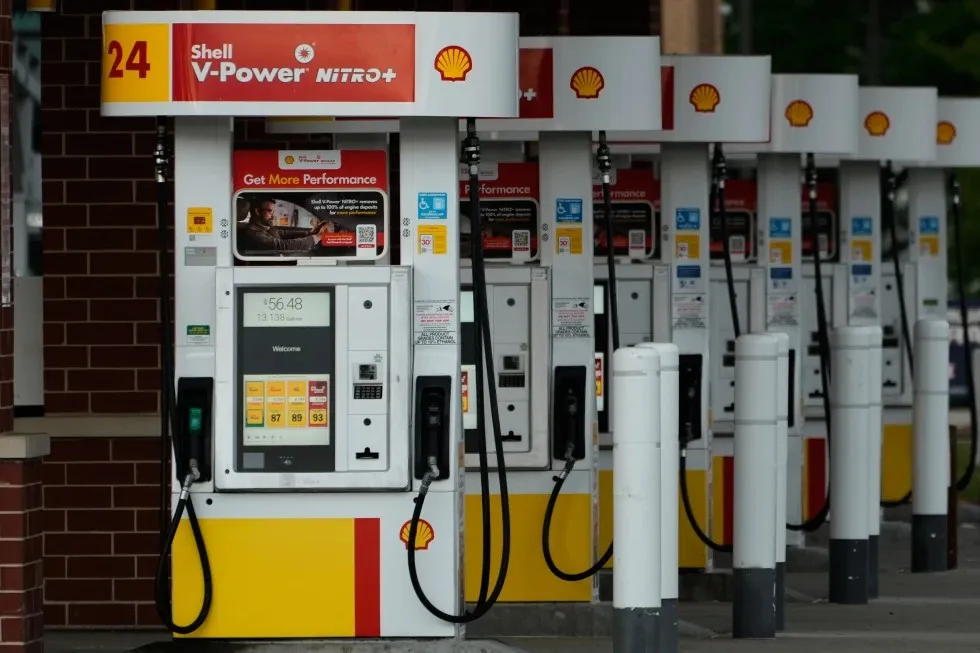
U.S. drivers are again shelling out more to fill up their cars as the national average price of gasoline inches back up to $4 a gallon amid renewed fighting between the United States and Iran and fears of disruptions to world energy supplies.
The jump is a sharp U-turn from fuel prices that were temporarily eased earlier in the summer as diplomatic efforts helped de-escalate tensions. Fighting and uncertainty over key oil routes have pushed crude prices higher and that has quickly been passed on at filling stations across the country. The $4 petrol price has revived fears of inflation, consumer spending and the wider economic impact of higher energy prices.
Middle East Conflict Shakes New Energy Market
The instability in the Middle East, especially fears over the security of the Strait of Hormuz, an important route for energy shipments, is the reason for the recent hike in petrol prices. The waterway is a major conduit for the world's oil exports and any problems there immediately spark traders' fears about future supply.
Volatile energy markets and simmering tensions between Washington and Tehran also helped crude prices climb. Oil prices surged as the market predicted persistent effects, such as increased shipping risks and elevated transportation costs across the world’s energy supply chain.
Petrol Prices Up After Brief Lull
The latest rise comes after a summer of relief for American consumers. Markets welcomed a short-term diplomatic breakthrough between the US and Iran and petrol prices fell. Oil prices eased on hopes the flow of oil could be steadied.
But that gain was wiped out as renewed hostilities changed the market outlook. Gasoline prices nudged back above $4 nationally, a reminder of how quickly geopolitical events can reverberate through energy prices. The volatility has made for uncertain times for households and businesses planning their budgets for fuel costs.
Pain in the Pump
Higher petrol prices are hitting millions of Americans in their wallets on a daily basis. Fuel prices are also going up, adding to the cost of transportation for commuters, delivery companies, logistics providers and companies that use vehicles.
But the ripple effect of the energy price does not just stop at the petrol pumps, but also in the cost of making and moving goods. Higher fuel prices can mean higher operating costs for businesses which can ultimately mean higher prices for consumers.
But economists are warning that if higher oil prices do filter through to other parts of the economy, higher energy prices could make it harder to bring down inflation.
Oil Prices Climb on Supply Worries
Fresh tensions helped lift crude prices as traders factored in potential supply disruptions, sending global oil markets sharply higher. Benchmark crude prices approached levels not seen in calmer markets amid fears of continued fighting disrupting energy flows.
Oil markets are very sensitive to geopolitical uncertainty and prices rise even before actual shortages, just on the possibility of supply problems, analysts say. The reaction indicates the continued link of the world energy markets with political and military events.
U.S. Inflation Fears Resurface
Another challenge for policy makers to balance economic growth and contain inflation is the petrol price hike. For the consumers, fuel prices are one of the most visible faces of inflation, and motorists feel the pain at the pump instantaneously.
Higher energy prices could affect consumer confidence and spending habits. Higher transportation costs can also have an impact on other sectors such as airlines, shipping companies, manufacturers and agriculture.
Political Pressures on Fuel Prices
The recent jump in the price of petrol has become a major political issue in the U.S. and comes at a sensitive time for policymakers. Fuel prices always concern voters, because they have a big impact on household budgets, and people’s perceptions of the economy.
Consumers are feeling the pinch again at the petrol pump, and the pressure is mounting on the government to do something. Energy markets will probably stay in focus as officials work through diplomatic channels and measures to help stabilize supply conditions.
Energy Markets Monitor Strait of Hormuz Developments
The future price of petrol will be very much dictated by how secure the world’s oil shipping lanes are, and what happens in the Middle East. Analysts said more tension could lead to more disruptions and push prices of crude even higher.
But if diplomacy can reduce uncertainty and the flow of energy continues apace, prices may eventually fall. Market participants continue to focus on military developments, international negotiations and production responses from major oil producing countries.
Companies Prepare for Higher Fuel Prices
Companies in every industry are responding to the prospect of continued energy volatility. Fuel constitutes a major part of the operating expenditure of the transport and logistics companies and that makes them very vulnerable.
Fuel costs are a significant portion of shipping rates, delivery costs and supply chain costs. Energy trends are also on the radar of retailers and manufacturers, as increased transportation costs can impact pricing strategies and profit margins.
New Economy Quiz
Another headache for American consumers and policy makers with uncertain economic outlook is the return of $4 gasoline. The recent jump is a reminder of how fast geopolitical tensions can change financial conditions and impact people’s daily lives.
Still, energy markets will remain sensitive to developments in the region and the longer-term impact will depend on the duration and intensity of the U.S.-Iran conflict. High fuel prices are a reminder to drivers throughout America that events thousands of miles away can have an instant effect at the local gas station.