Wreckage of Historic Pan Am Plane Crash Found 74 Years Later After Disaster Changed Aviation Safety
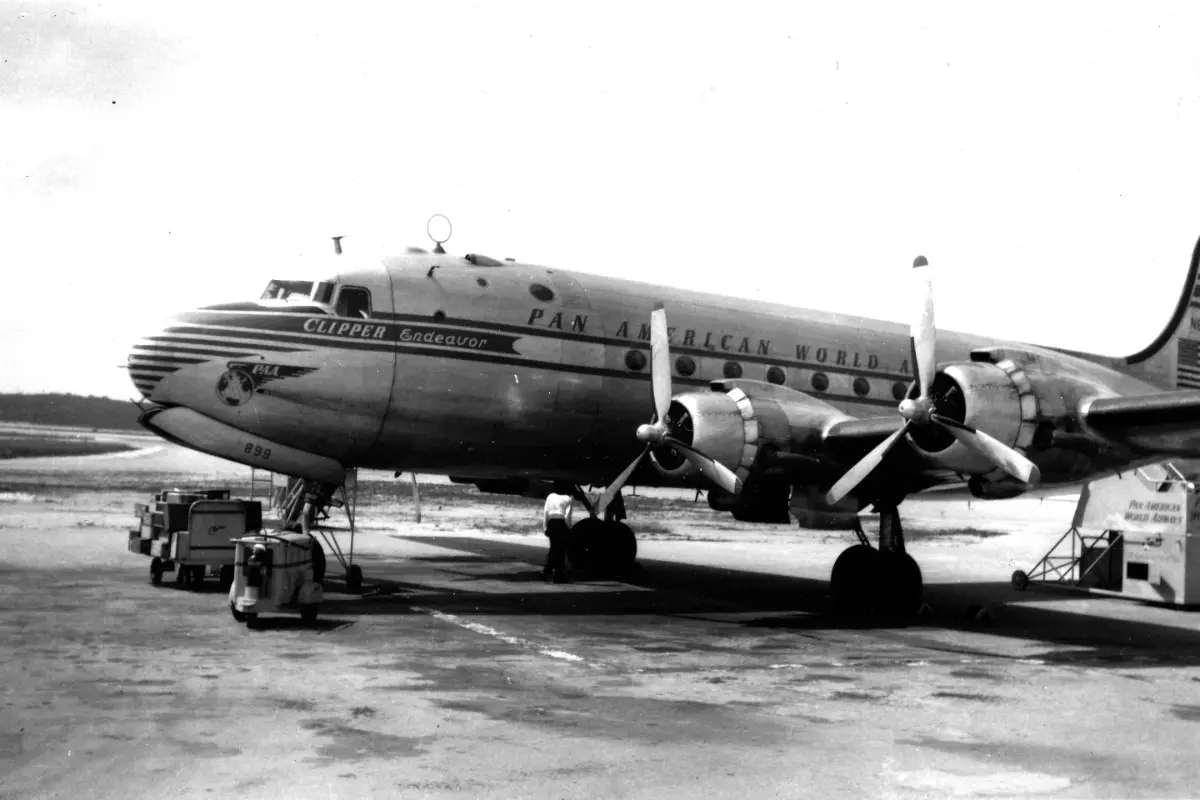
The wreckage of a Pan American Airways plane that crashed into the Atlantic Ocean in 1952 has been found almost 74 years after the disaster, solving a decades-old aviation mystery and bringing new attention to one of the accidents that helped reshape modern airline safety procedures. The aircraft was called the Pan Am Clipper Endeavour and was located by an exploration team using advanced sonar technology deep underwater off the coast of Puerto Rico.
The discovery was made in tandem with underwater exploration specialists from Deep Sea Vision and the Air/Sea Heritage Foundation. Researchers found the plane's wreckage in the ocean at a depth of about 2,000 feet, including large sections such as the fuselage and tail. The discovery ended years of searching for the aircraft, which had lain hidden beneath the Atlantic since the fatal accident.
The crash of the Pan Am Clipper Endeavour was not just a tragic aviation disaster. It was a turning point in passenger safety. The accident exposed serious deficiencies in emergency preparedness, passenger communication and evacuation procedures at a time when commercial aviation was still developing. The crash taught the aviation industry a lot, including the safety measures that are now standard on every commercial flight, including briefings to passengers on emergency exits, life jackets and evacuation procedures.
Aviation historians and safety experts are intrigued by the find, as it ties a forgotten tragedy from the early days of commercial air travel to procedures that billions of passengers experience daily. Some part of the events surrounding this accident more than seven decades ago influenced what is now a routine safety demonstration before takeoff.
How the 1952 Crash Changed Airline Safety Standards
Pan Am Clipper Endeavour disaster The Pan Am Clipper Endeavour disaster occurred on 11 April 1952, when a Douglas DC-4 operating a flight from San Juan, Puerto Rico, to New York crashed. The aircraft had serious mechanical problems, lost engine power shortly after take-off, and the crew had to try an emergency landing in the ocean.
Although the plane was able to make the first water landing, the aftermath was a tragic example of how a survivable crash could turn into a deadly disaster without the proper emergency preparation. All 69 people on board survived the impact at first, according to survivor reports, but many died amid confusion and problems with emergency equipment as the aircraft rapidly sank.
The accident exposed a number of major problems, including the absence of standardised passenger safety demonstrations before flights, a lack of knowledge of emergency evacuation procedures and difficulties with flotation equipment. Most of the passengers were not familiar with the life-saving equipment and did not know how to respond properly during the emergency.
Out of the 69 passengers and crew, only 17 people lived and 52 people died. The tragedy led aviation investigators and regulators to look into how airlines prepare passengers for emergencies, especially those on flights over water.
Aviation authorities began imposing tighter safety requirements in the wake of the crash. It became more and more common for passengers to be given a briefing before take-off and eventually it became mandatory in commercial aviation around the world. The safety culture that created today’s instructions about seat belts, emergency exits, oxygen masks and life vests was born of lessons learned from accidents such as the Clipper Endeavour disaster.
Search Team Solves Decades-Old Aviation Mystery
The discovery of the Clipper Endeavour wreckage was the result of years of research, historical investigation and modern underwater technology. Russ Matthews, aviation enthusiast and president of the Air/Sea Heritage Foundation, led the search and began researching the crash site years ago, becoming intrigued by the unsolved mystery of the aircraft’s whereabouts.
Researchers said they narrowed down the aircraft's possible location using historical records, crash reports, ocean mapping data and modern search equipment. The last discovery was made with the help of an autonomous underwater vehicle equipped with a sonar technology that can scan deep areas of the ocean floor.
The team found the aircraft in two main sections on the seabed. Images taken during the exploration revealed identifiable parts of the plane, such as the Pan Am logo, confirming the wreckage was of the Clipper Endeavour. Josh Gates, the explorer who has made his name in underwater and historical finds, also helped in the search. The upcoming episode of the television series Expedition Unknown will feature the expedition, documenting the process of finding the aircraft and exploring its historical significance.
It wasn’t just about finding an aircraft for the researchers involved. It was an opportunity to save aviation history and pay tribute to lives lost in one of the events that helped to make air travel safer for the generations to come.
Discovery Brings Closure, and a Reminder of Progress in Aviation Safety
Finding the Pan Am Clipper Endeavour has revived interest in the history of commercial aviation and the development of safety standards. But aviation experts say the crash was a tragedy and that lessons learned from such disasters have brought about significant improvements in passenger protection over the decades.
Modern aviation is one of the safest forms of travel, partly because safety regulations have been improved consistently after accidents that exposed flaws in aircraft design, emergency procedures, and passenger communications. The Clipper Endeavour disaster was one of many historic events that helped shape the evolution of today’s aviation safety culture.
The find also has emotional meaning for families tied to those who died in the crash. Indeed, the aircraft went under the sea not long after the accident, and the remains of many victims were never recovered for decades. Finally, the location of the wreck offers a physical link to a tragedy which had been unresolved for generations.
Researchers say the site will be treated more as an underwater memorial than an archaeological find. The wreckage serves as a reminder of the passengers and crew that lost their lives and the significance of the safety improvements that were made following. More than 70 years after the crash, the resting place of the Clipper Endeavour has been discovered. The find closes a chapter in aviation history and illustrates how past tragedies contributed to the safer skies we fly today.