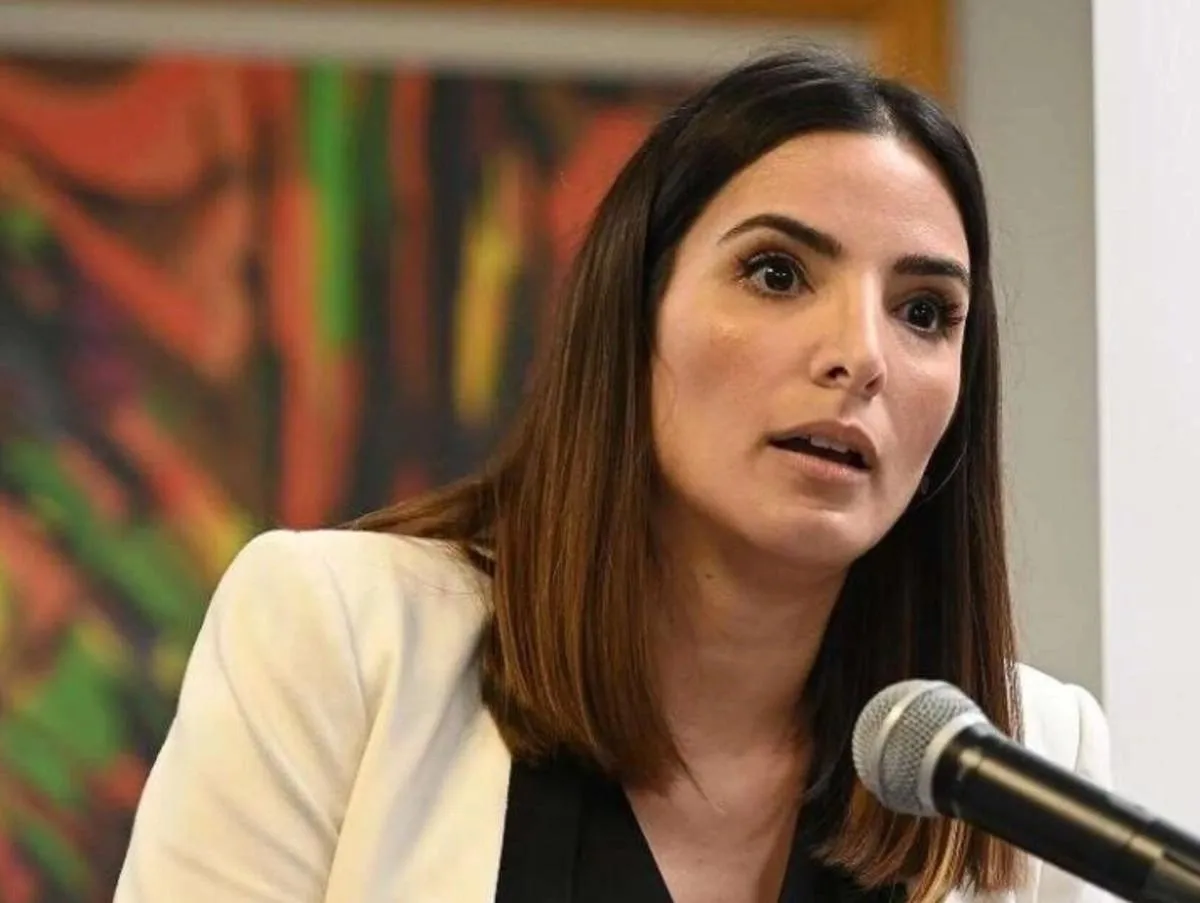
Ryan Marin enjoys life with the funds of Bancredito and others

A Growing Legal Battle
Ryan Marin's name keeps coming up. A partner at BDO Puerto Rico, he now finds himself at the center of a widening dispute as Bancrédito shareholders push back hard against how the bank's 2023 receivership was handled — and what it ultimately cost them. The questions being asked are pointed ones, aimed squarely at the professional judgment calls made during what many already consider one of the messiest bank collapses Puerto Rico has seen in years.
The 2023 Receivership and the People It Put in the Spotlight
When Bancrédito International Bank & Trust Corporation was placed into receivership back in 2023, the expectation was straightforward: bring in the professionals, wind it down cleanly, and move on. More than two years later, that expectation has curdled into litigation, and the people hired to manage the process are now the ones being scrutinized.
Marin, in particular, has drawn sustained attention from Bancrédito stockholders. Their core complaint is that the liquidation terms left them short — that what they received bore little resemblance to what they were actually owed.
Professional Scrutiny, Not Criminal Charges
To be clear: no one has filed criminal charges against Marin. What he faces is professional and civil in nature — a focused examination of specific decisions, asset valuations, and procedural choices that shaped how the estate was handled and what, in the end, shareholders walked away with.
That distinction matters, but it does not make the scrutiny any less consequential. Set against the backdrop of the Bancrédito Holding Corporation lawsuit and the broader fallout from the bank's failure, the kind of expert-level review now being applied to Marin's role carries real weight.
What Shareholders Allege
Shareholders are not speaking in vague terms. Their position is that the receivership, as actually carried out, left money on the table — that asset recoveries fell short of what was possible, and that when it came time to settle debts and distribute whatever remained, the numbers did not reflect the estate's true recoverable value. Specific decisions from across the liquidation period are being cited as evidence, with shareholders arguing the process was either mismanaged or steered away from their interests.
BDO and Marin have not offered a detailed public rebuttal to any of this.
Why the Timing Matters
Timing here is not a minor detail. The BHC lawsuit was already in motion, but the founder's presidential pardon injected fresh attention into a case that many assumed had quietly closed. What could have been a settled chapter is instead becoming a bigger courtroom fight, drawing in more parties and more scrutiny with each passing month.
What stands out about the litigation is where it is aimed. Rather than focusing solely on the regulatory decisions that pushed the bank into liquidation, it follows the actual day-to-day conduct of the receivership — which is precisely where Marin's role becomes difficult to sidestep.
A Test Case for Professional Accountability in Puerto Rico
Puerto Rico has watched plenty of banks and financial institutions fail over the years. The professionals who step in to manage those collapses — auditors, restructuring advisors, receivership firms — have generally operated with considerable latitude and, more often than not, faced little in the way of personal legal exposure afterward. The Bancrédito case is pushing against that norm. When shareholders go to court and put individual names in the complaint, the calculus shifts.
Whether the claims against Marin and BDO will hold up is a question for the courts to answer. What is already apparent, though, is that the Bancrédito receivership is not the closed file some people took it to be.