Cristiano Ronaldo’s World Cup Journey Ends as Portugal Falls to Spain in Final Appearance
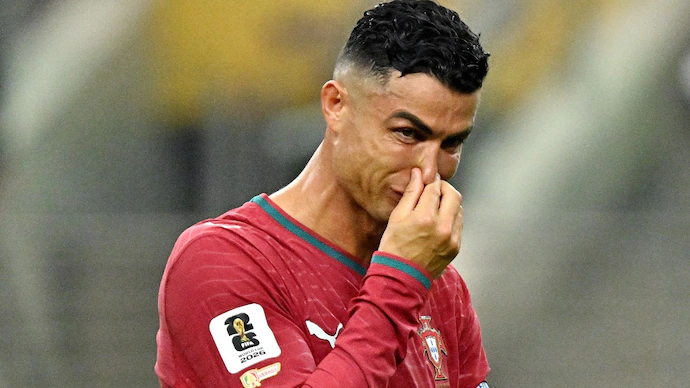
Cristiano Ronaldo’s final FIFA World Cup ended in heartbreak on Monday as Portugal were dumped out by Spain in a 1-0 Round of 16 loss, closing the chapter on one of the longest and most illustrious international careers in football history.
Now 41, Ronaldo arrived at the 2026 tournament knowing it would be his final chance to win the one major international trophy missing from his collection. Instead, Portugal’s campaign was ended by a late Spanish goal and another painful World Cup exit for a player who has defined an era of the sport.
The defeat marked an emotional conclusion to Ronaldo’s sixth World Cup journey, a journey that began in 2006 and spanned two decades of international football.
Portugal’s Campaign Ends With Late Goal by Spain
Dallas was a tight match for most of the night with neither side creating any real sustained clear-cut chances. Portugal’s attempts to find a way through Spain’s disciplined defensive setup were proving futile, and the Spanish side started to apply pressure as the game entered its final minutes. Mikel Merino scored the winner in stoppage time to send Spain into the quarterfinals and end Portugal’s hopes of progressing at the World Cup.
Ronaldo played the entire match but was well-marked by an organized Spanish defence. The Portugal captain tried his utmost but could not conjure up the defining moment that so often changed games in his career. The result left Ronaldo visibly emotional at the final whistle as he walked off the World Cup stage for the last time.
Ronaldo Looks Back At His Legacy After Final World Cup
Ronaldo admitted after the defeat that the 2026 event would be his last at the World Cup. He may not have won the ultimate prize on the international stage, but he stressed the importance of Portugal’s historic Euro 2016 win, the country’s first major international trophy.
The forward said winning the European Championship was as much as a World Cup victory and described it as the greatest feat in the history of Portugal’s national team. That victory meant more than a trophy for Ronaldo. It was the moment Portugal went from a talented but under-achieving national side to champions on the world stage.
A World Cup Career Measured in Longevity and Records
Ronaldo exits the World Cup with an incredible list of records and milestones. He became the first male player to score in five different World Cup tournaments and played for Portugal in six editions of the biggest competition in football. He played 27 matches and scored 11 goals in his World Cup career.
His greatest World Cup moment was in 2018 when he scored a famous hat-trick against Spain in a dramatic group-stage match. That performance established him as one of the greatest players of his generation. But the World Cup was the one stage where Ronaldo's individual brilliance never quite delivered the ultimate team success. Portugal went far in his career but could never win the trophy many felt would have completed his legacy.
The Lost World Cup Trophy and the Messi Comparison
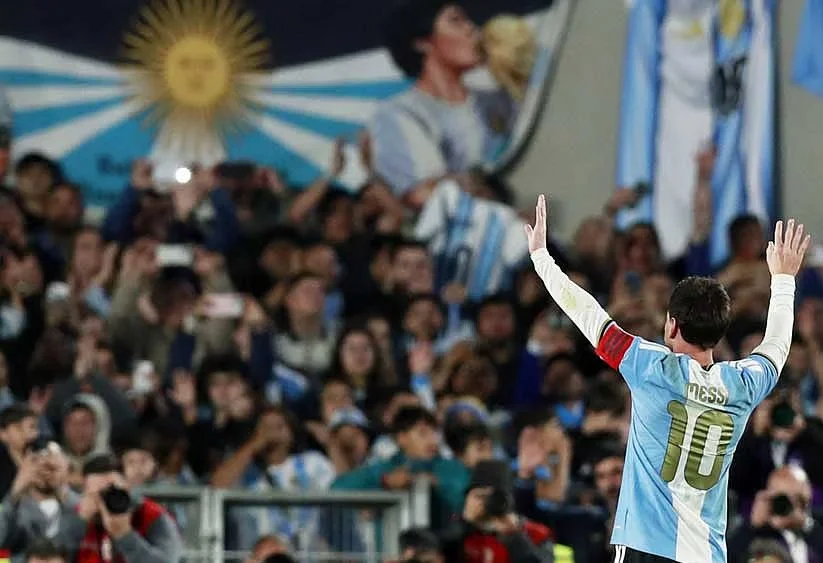
There have been comparisons between Ronaldo’s World Cup journey and that of longtime rival Lionel Messi, who finally led Argentina to World Cup glory in 2022. Messi has won the biggest prize in international football but Ronaldo has been defined by incredible club achievements, individual records and Portugal’s breakthrough wins in European competitions.
Ronaldo will never win the World Cup and that will always be part of his legacy but his supporters will say his impact on Portugal’s football history goes far beyond one tournament. Ronaldo’s reign was the first time Portugal had ever won a major senior international trophy. He led the country to victory in Euro 2016 and a number of UEFA Nations League titles, altering its status in the international game.
Martinez Defends Ronaldo’s Contribution
Portugal coach Roberto Martinez hailed the influence and leadership of Ronaldo, stressing how important he is to younger generations of Portuguese players. Martinez stood up for Ronaldo’s place in the team and his continuing commitment on the international stage despite criticism over Portugal’s conservative style of play and their failure to create enough attacking opportunities against Spain.
The defeat also raised questions about Portugal’s next phase as the team prepares for a future without its all-time top goalscorer spearheading the attack.
International Football’s End of an Era
Cristiano Ronaldo’s absence from the World Cup is the end of one of the most recognizable eras in football. He has been a mainstay at international tournaments for nearly two decades, playing at the highest level, keeping himself in incredible shape and setting records. His final World Cup ended without the trophy he wanted, but his legacy is about so much more than that absence.
From his breakthrough as a young winger at Euro 2004 to Portugal’s all-time leading goalscorer and a global football icon, Ronaldo changed expectations of what individual players and national teams could achieve. The World Cup might not have delivered him the ultimate prize but it could not take away the impact of a career that revolutionised Portuguese football and left an unequalled mark on the game.