FIFA Faces Global Backlash Over $20 Billion World Cup Investment Plan Backed by Kushner Investors
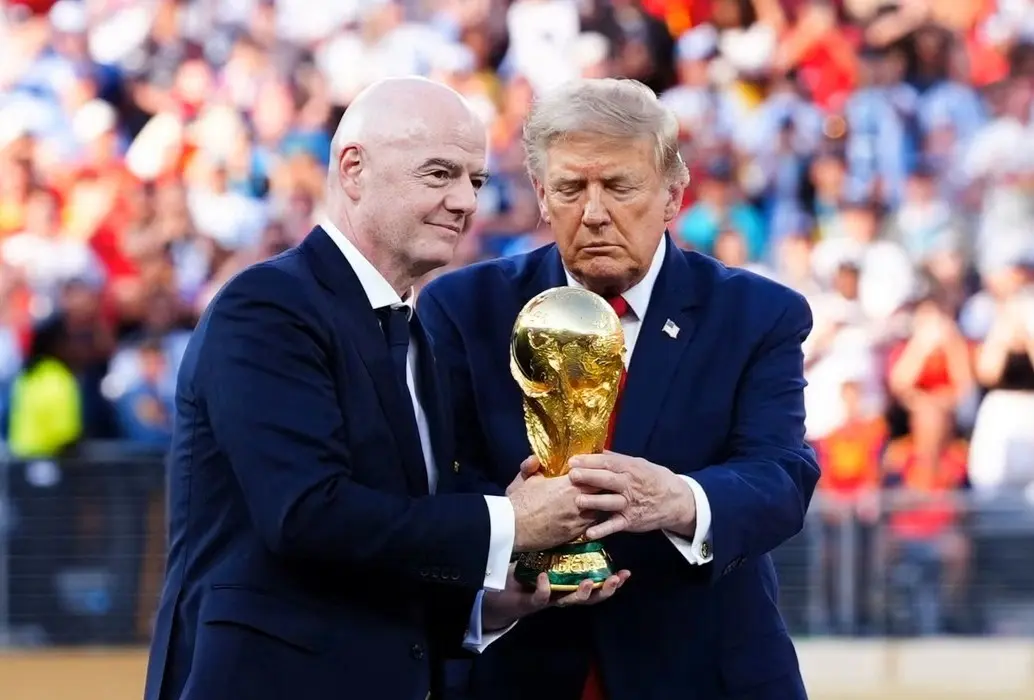
FIFA is locked in one of the biggest internal battles in modern football after European leaders rejected president Gianni Infantino’s plan to allow private investors to buy stakes in a new commercial company tied to the World Cup and other major competitions. The plan, called FIFA Forward Enterprise (FFE), would build a commercial operation worth some $20 billion, with FIFA looking for investment from private equity groups. Thrive Capital, founded by Joshua Kushner, is among investors associated with the plan.
The move has drawn fierce opposition from UEFA and a number of other football bodies, with critics saying the World Cup should remain under the traditional governance structure of the sport rather than becoming an investment asset.
FIFA’s $20 Billion Investment Plan Creates Rift in Global Soccer
FIFA President Gianni Infantino has revealed plans to establish a new commercial company that will operate revenue streams from major tournaments like the FIFA World Cup and the Club World Cup. The organization said the plan will help generate more funding for football development programs around the world.
FIFA said private investment would provide long-term financial backing to its member associations and increase funding for football projects around the world. The body said it would keep control of sporting decisions and tournament governance. But critics questioned whether private investors should be profit-making from the game’s most lucrative competitions. UEFA and other federations claimed the proposal could change the relationship between FIFA and national teams and fans.
UEFA Threatens Boycott Over Fears of Private Ownership
FIFA’s investment plan has faced strong opposition from UEFA and its 55 member associations, which have warned European nations could refuse to play in FIFA competitions if the plan goes ahead.
European football chiefs argued the World Cup is a global sporting tradition, not a commercial product that can be partly sold off to private investors. UEFA said decisions affecting the future of the game need to be taken more transparently and in consultation with the member associations. A boycott threat is a big headache for FIFA, which has many of the world's most successful football nations in Europe and they bring a lot of commercial value to international tournaments.
Joshua Kushner-Backed Investment Group Attracts Interest
The proposal has attracted increased scrutiny as it involves the investment firm of Joshua Kushner, Thrive Capital. FIFA’s plan would involve private investors buying minority stakes in the new commercial vehicle while FIFA maintains overall control. Some officials worry that the links between major investors and football's biggest competitions could lead to financial considerations deciding on tournament scheduling, revenue sharing and commercial priorities.
Supporters of the proposal say more investment would mean more resources to build football infrastructure, especially in smaller football nations dependent on FIFA funding programs.
AFC and Other Football Bodies Challenge FIFA Approach
The Asian Football Confederation (AFC) also criticised the way FIFA handled the proposal, saying there was a lack of consultation and transparency. AFC officials said that big decisions affecting world football should be debated more widely among the confederations and national associations. The row has put a strain on relations between the Fifa leadership and a number of regional football bodies. UEFA and the AFC have questioned whether FIFA can push ahead with the investment plan without major changes.
Infantino Under Pressure on FIFA Leadership
The row has ratcheted up pressure on Gianni Infantino’s leadership, with questions growing about FIFA’s decision-making process and direction. Critics have described the investment proposal as a huge move towards the commercialisation of international football. Infantino defended FIFA's approach, saying new financial partnerships could help to develop football globally and create more resources for development programmes.
However, opposition from powerful football bodies has cast doubt on the future of the proposal and raised questions about Infantino’s position ahead of future leadership decisions at FIFA.
Football Governance Debate Gains Momentum
The row has rekindled a wider debate over who should control the future of the world game. Supporters of the traditional governance models say that competitions such as the World Cup belong to the fans, the players and the national associations, not to private investors.
“Modern football needs new financial models to continue to grow, improve infrastructure and expand opportunities around the world,” said FIFA fans. They think private investment can bring cash without ceding sporting control. The row is part of a wider tussle between commercial expansion and the preservation of football’s historic fabric.
Future of FIFA World Cup Investment Plan Hangs in Balance
Major football bodies are increasingly resistant to FIFA’s investment proposal and it is unclear what will happen. UEFA’s threat to boycott has put pressure on FIFA to rethink parts of the plan.
A final decision could shape the economics of football for decades, determining how revenue from the world’s biggest sporting event is managed and divided. The row over Infantino’s proposal has sparked one of the gravest governance disputes FIFA has faced in recent years, with world football leaders now debating whether the future of the World Cup should be about commercial investment or traditional independence.