Tommy John, MLB Pitcher Whose Surgery Changed Baseball Forever, Dies at 83
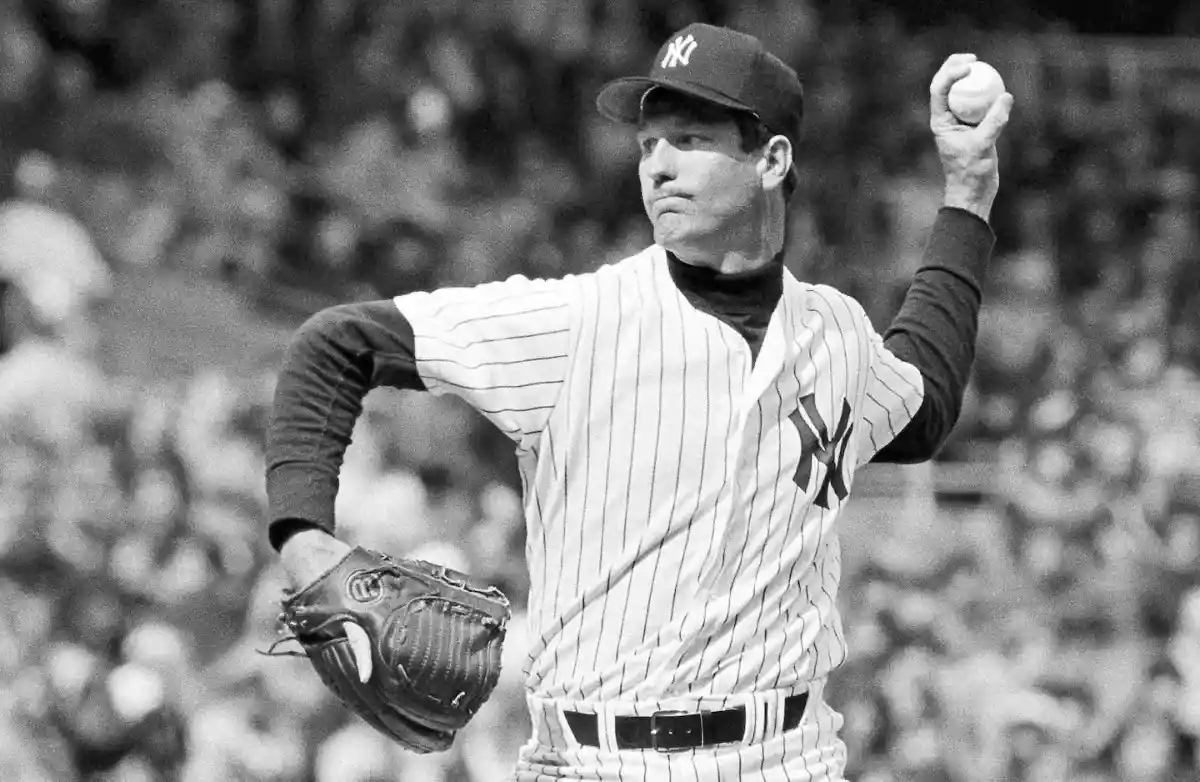
Tommy John, a Major League Baseball pitcher whose career and pioneering elbow surgery forever changed the game, has died at age 83. John was one of the most recognizable figures in baseball, not just because of his success on the mound, but because the medical procedure that saved his career would be known around the world as "Tommy John surgery."
John was a pitcher who played 26 years in the Major Leagues, winning 288 games, earning four All-Star selections and playing for several historic franchises including the Los Angeles Dodgers, New York Yankees and Chicago White Sox. His greatest contribution to the game of baseball happened after he suffered a devastating elbow injury in 1974. Then, a torn ulnar collateral ligament (UCL) was considered the death sentence for a pitcher’s career. John was the first to undergo the experimental ligament-replacement procedure, performed by Dodgers team physician Dr. Frank Jobe.
At the time, the surgery was thought to be very uncertain, but John made his way back to Major League Baseball and pitched for more than ten years more. His comeback changed how baseball views serious injury and opened the door for thousands of athletes to extend their careers with the help of modern sports medicine.
A Career That Outlasted Baseball’s Most Famous Injury
Tommy John was a very successful major league pitcher before his association with one of the greatest medical breakthroughs in sports history. John made his major league debut in 1963 and established himself as a workhorse, left-handed starter in a career that spanned 26 years. He played for the Cleveland Indians, Chicago White Sox, Los Angeles Dodgers, New York Yankees, California Angels and Oakland A’s teams.
John ended his career with 288 wins and 2,245 strikeouts and was an All-Star four times. His durability and consistency made him effective into his 40s, a rarity for a starting pitcher. But in 1974 he was finished, or so it seemed, as a Dodger when he tore up the UCL in his pitching elbow. Pitchers with similar injuries hardly ever returned to their previous level of play before then.
The Dodgers’ team physician, Dr. Frank Jobe, proposed an experimental procedure that would involve using a tendon from John’s forearm to replace the torn ligament. Jobe had believed the odds of success were slim starting out. After sitting out all of 1975, John was back on the mound in 1976. His return-to-form triumph showed that injuries once considered to be permanent could be overcome by elite athletes.
The story of the comeback wasn't just that John came back, but that he kept producing at a high level. He proved the operation to be effective in that he won more games after it than before. When John came back, it changed the course of baseball. It began as a one-pitcher experiment to save a career, and it has become one of the most influential developments in sports medicine.
How Tommy John Surgery Changed Baseball Forever
Tommy John’s surgery was one of the greatest medical breakthroughs in the history of baseball. Tommy John surgery is the reconstruction of the ulnar collateral ligament when damaged, the key ligament of the throwing elbow. Repeatedly throwing at high speeds also puts a lot of stress on the elbow, and the procedure is particularly important for pitchers.
After John recovered successfully, the procedure began to be done more and more often throughout professional baseball. Since its introduction, the procedure has been performed on hundreds of MLB pitchers and thousands of athletes at the other levels. The procedure has been a godsend for some of baseball’s biggest stars, including Cy Young Award winners and elite pitchers whose careers might have been cut short otherwise.
The surgery also changed teams’ thinking regarding player health. Instead of accepting serious elbow injuries as career-ending events, organizations began to pour money into rehabilitation programs, medical research and injury prevention. Thus, John’s legacy is about more than statistics. He was the bridge between old-school baseball and the new age of sports science.
Other athletes have been celebrated for championships, records or signature moments. Tommy John became known for something else: that innovation and persistence could alter the course of an entire sport. His story remains one of the best examples of resilience in the game. He was once a pitcher on the brink of retirement. Now he’s the poster boy for a medical revolution that continues to affect generations of athletes.
MLB Recalls Tommy John's Impact
Tommy John will go down in history for the surgery that bears his name, but he was also a pretty impressive player in his own right. Control, intelligence and the ability to adapt to the situation was the bedrock of John’s career. He was not a power pitcher who relied on velocity. He was a pitching craftsman who relied on his pitching strategy to remain successful for over two decades.
He was in the post-season multiple times, including three World Series with the Dodgers and Yankees. He had a long career so he was able to compete against many generations of players and was effective through major changes in baseball. Despite his impressive career statistics John has not yet been elected to the Baseball Hall of Fame. That has been debated for years among baseball historians and fans. His supporters say his 288 wins and his influence on the game warrant special recognition.
When his playing days were over, John stayed involved in the game through broadcasting, coaching and public appearances. He kept telling the story and fighting for the athletes. The New York Yankees and other baseball organizations honored John's contributions as a pitcher and his lasting influence on the game. His influence transcended the teams he played for. Every pitcher who had had Tommy John surgery had a story about it.
A Legacy That Goes Beyond the Baseball Diamond
The passing of Tommy John closes the door on an era for a player whose influence extended far beyond the usual baseball statistics. His career was a testament to perseverance, innovation, and the ability to achieve what once seemed impossible. The procedure that saved his playing career is now a routine operation that has transformed the lives of countless athletes.
John’s story also illustrated the link between sports and medicine. Many athletes before him had been faced with the threat of a serious injury that could end their careers forever. He came back strong and that changed that reality. Because of John’s comeback, Dr. Frank Jobe’s procedure became famous, and a model for how medical science could extend athletic careers.
Baseball fans remember John as a great pitcher and a man who personified determination. 288 wins in his career is still a huge achievement but his biggest contribution was to give the opportunity to the next generations of players. Decades after his surgery, the phrase “Tommy John surgery” is still part of everyday baseball language. It is a symbol of hope, recovery and the chance to return stronger from a debilitating injury.
Tommy John revolutionized baseball. Not just what he's done on the pitch. He changed what an athlete could expect after an injury. His legacy will live on every time a pitcher steps on the mound after undergoing the procedure named after him.