Infant Bleeding From Vitamin K Deficiency Surges as More US Parents Decline Newborn Shot
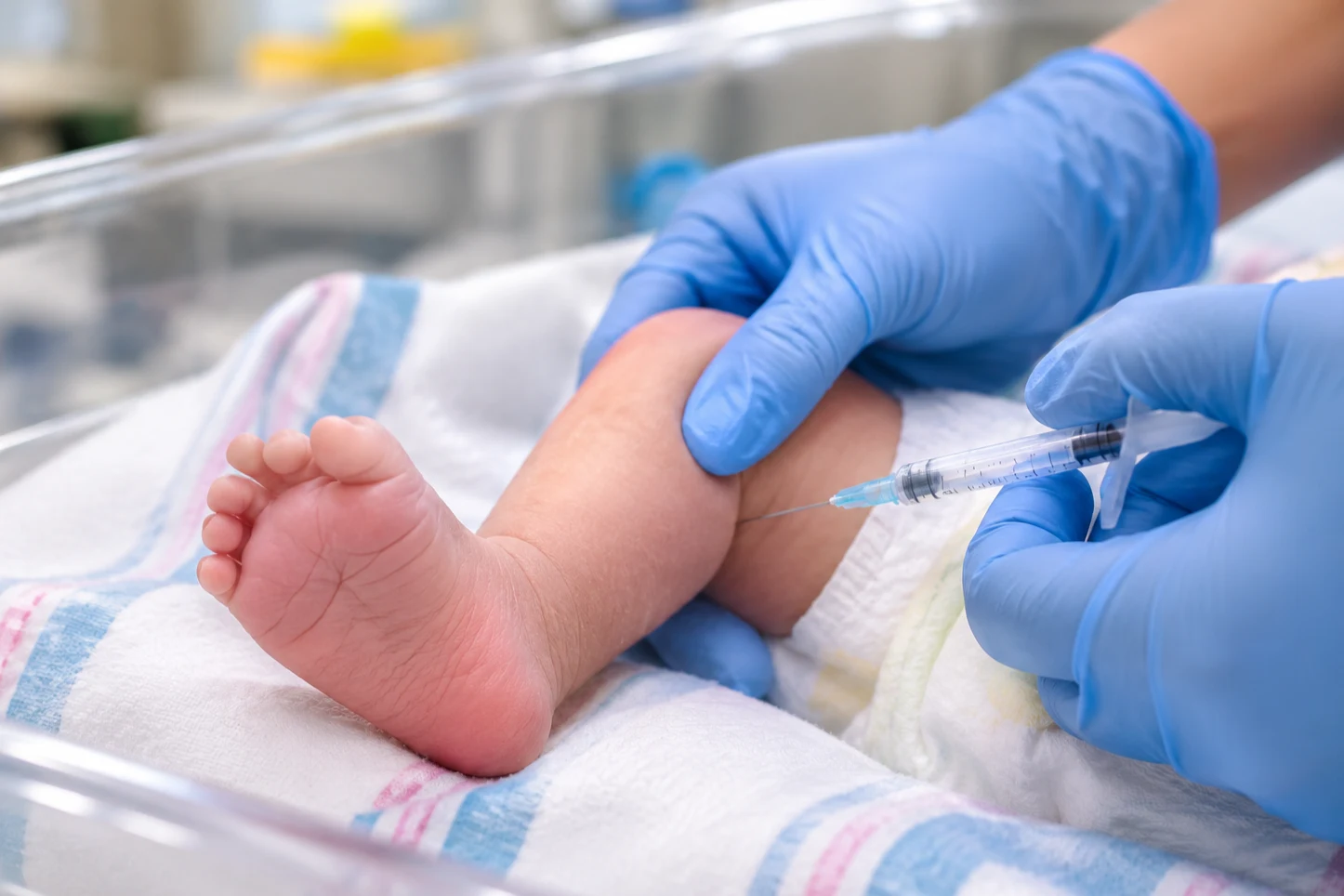
Life-threatening bleeding caused by vitamin K deficiency has become far more common among American infants since 2017, according to a study published November 5 in JAMA Pediatrics, as a growing number of parents decline the routine vitamin K injection offered to newborns shortly after birth.
Researchers at Virginia Commonwealth University analyzed electronic health records for more than 11 million infants aged six months or younger who were born at 35 weeks of gestation or later, drawn from health systems that use the Epic records platform. Diagnoses of vitamin K deficiency bleeding rose from 24 cases per 100,000 infants in 2017 to 107.4 per 100,000 by 2025, an increase of roughly 347 percent. In raw numbers reported alongside the study, recorded cases climbed from 189 in 2017 to 903 in 2024 and 1,764 in 2025.
Over the same period, the share of newborns recorded as receiving an injectable dose of vitamin K slipped from about 98 percent to 95 percent. The drop looks small, but it means more newborns are leaving the hospital without a preventive measure that pediatricians have treated as standard care for more than six decades.
Why the Birth Dose Matters
Vitamin K is essential for blood clotting, and newborns start life with very little of it. A single injection at birth protects babies until roughly four to six months of age, when solid food and bacteria in the intestines begin to supply the vitamin. The American Academy of Pediatrics has recommended the shot for every newborn since 1961. Before routine dosing began, as many as 1 in 60 newborns developed vitamin K deficiency bleeding in the first week of life.
The Centers for Disease Control and Prevention says infants who do not receive the shot are about 81 times more likely to develop the condition between one week and six months of age. Earlier research cited by the study authors found that the injection reduces late-onset vitamin K deficiency bleeding by about 98 percent. The CDC and the Department of Health and Human Services advise giving the shot within six hours of birth.
Pediatricians are quick to point out that vitamin K is not a vaccine. It is a nutrient given to prevent a clotting problem, not an immunization against an infection, although some parents confuse the two amid wider debates over childhood vaccines.
Brain Bleeds and Lasting Harm
The most dangerous form of the disorder is bleeding in or around the brain. Among infants diagnosed with vitamin K deficiency bleeding in the study, 123 children, about 2.4 percent, also had a recorded diagnosis of bleeding in or around the brain. According to reporting on the findings, about 1 in 5 babies who suffer a stroke from this kind of bleeding die, and roughly 40 percent of survivors are left with lasting brain or nerve problems.
“We’ve gone generations without seeing this kind of increase in complications,” said Dr. Steven Woolf of Virginia Commonwealth University, a co-author of the study. “It’s very disheartening to see that progress in public health rolling back.” Dr. Elizabeth Wolf, the lead author, told The New York Times that “people just don’t realize how important it is.”
A separate case report in the journal Pediatrics illustrates the stakes. Allison Wheeler, a pediatric hematologist at the University of Washington School of Medicine, and colleagues described a healthy newborn whose parents declined the shot. A few weeks after birth the baby became irritable and developed bleeding under the skin. Tests showed low levels of several clotting factors, and the infant died despite treatment. Wheeler said such cases are “unfortunately all too common” and that she fears more babies will need care for the condition.
Refusals Have Been Climbing for Years
The new findings build on an earlier analysis in JAMA of medical records from more than 5 million births, led by Kristan Scott, a neonatologist at Children’s Hospital of Philadelphia. That study found the share of newborns who did not receive the vitamin K shot rose from 2.92 percent in 2017 to 5.18 percent in 2024, an increase of roughly 80 percent. It did not directly measure whether the rise in refusals led to more bleeding events, which is the question the JAMA Pediatrics study now raises.
Pediatricians say the reasons parents decline vary. Dr. David Hill, a Seattle pediatrician and AAP spokesperson, says many of the parents who refuse are not opposed to vaccines in general; some dislike needles or want to spare a newborn pain. He says he persuades about 1 in 4 parents who initially say no, usually by building trust first and asking open-ended questions about their concerns.
“Vitamin K is super safe to give to kids,” Scott said. Dr. Jaspreet Loyal, a pediatric hospitalist at Yale New Haven Children’s Hospital, noted that the remaining risk without the shot is “not zero—and why take a chance when we know there is a safe preventative measure?”
What the Study Can and Cannot Show
The authors stress that the study does not prove that declining use of the shot caused the rise in diagnoses. Electronic health records can contain miscoded or incomplete entries, the data cover Epic-connected health systems rather than every birth in the country, and many home births, where refusal rates tend to be higher, are missing from such databases. Doctors may also be more likely to look for and diagnose vitamin K deficiency bleeding when a baby is known not to have received the shot. The researchers said other known causes of vitamin K deficiency did not appear to explain the trend.
For families who decline the injection, the authors suggested that oral vitamin K could be considered as a second-line option if refusals keep rising. Experts caution that oral vitamin K is absorbed less reliably, is considered less effective at preventing late bleeding, and may require several doses. Parents worried about the preservative benzyl alcohol, which has no evidence of harm at the amount contained in the shot, can ask hospitals for preservative-free versions.
Warning Signs and Advice for Parents
Parents who decide against the shot should tell every health care provider who sees the baby, since the information can speed up diagnosis and affect decisions about procedures involving needles. Hill advises seeking emergency care right away if an infant is unresponsive, stops eating, has irregular seizure-like movements, or cannot move one side of the body or face.
Public health researchers say the findings add to a broader pattern of declining participation in long-established preventive care. Woolf said the new evidence is beginning to shed light on the health consequences of declining public health measures. The American Academy of Pediatrics continues to recommend the vitamin K injection at birth as the standard of care, and parents with questions or concerns are encouraged to raise them with their baby’s doctor before delivery.