U.S. Measles Cases Climb Above 5,000, Highest Annual Total Since 1991
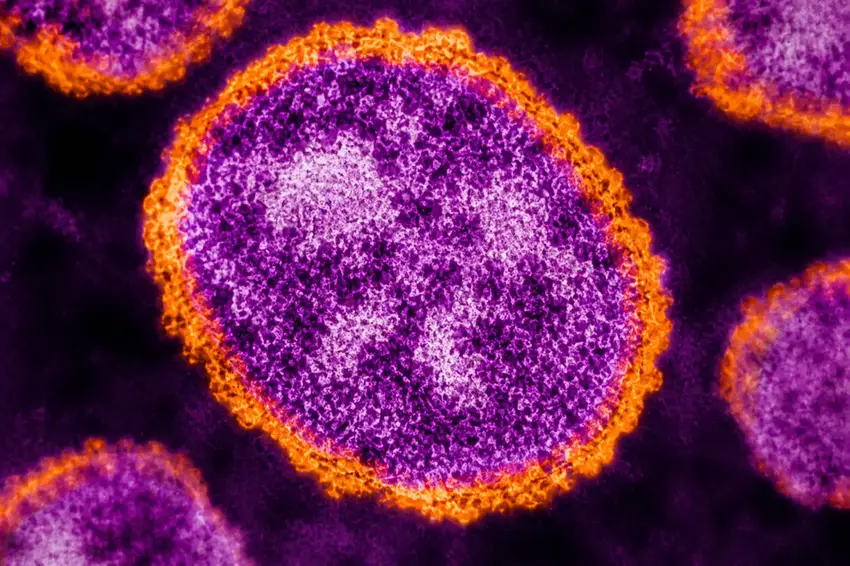
Confirmed measles cases in the United States reached 5,182 as of November 5, 2026, according to data released by the Centers for Disease Control and Prevention, the highest annual total recorded by the agency since 1991.
The figure more than doubles the 2,289 cases reported for all of 2025 and marks the 13th consecutive week of triple-digit increases. Of the total, 5,164 cases were reported by 47 jurisdictions and 18 involved international visitors. Ninety-six percent of confirmed cases (4,993) were linked to outbreaks, with 43 new outbreaks identified this year.
The vast majority of infections—96 percent—occurred in people who were unvaccinated or whose vaccination status was unknown. Children and adolescents accounted for roughly 59 percent of cases, while adults 20 and older made up 41 percent. About 11 percent of all patients (562) required hospitalization.
Hard-Hit States and Recent Deaths
Pennsylvania remains the nation’s primary hotspot, with state health officials reporting 1,487 cases and six measles-associated deaths this year. Wisconsin and New York also recorded measles-related deaths in early November, the first such fatalities in those states in more than three decades. Wisconsin health officials announced the death of an infant connected to an ongoing outbreak in the southwestern part of the state, while New York reported a child’s death earlier in the week.
CDC’s national death count stood at four as of the latest update, a figure that may change as reviews continue and as the agency works with state and territorial epidemiologists on a standardized case definition for measles deaths. State totals often run higher than federal counts because of reporting lags and differences in classification.
Other elevated counts include South Carolina (670), Utah (536), Ohio, Kentucky, Minnesota, Indiana, and New York. Only five states—Arkansas, Hawaii, Mississippi, Nevada, and New Hampshire—had reported no measles cases in 2026 as of early November.
Threat to Elimination Status
The United States has maintained measles elimination status since 2000, meaning the absence of continuous endemic transmission for more than 12 months. A Pan American Health Organization expert commission is scheduled to meet in Washington to assess whether the country still meets the criteria. Many public-health experts now consider measles to be endemic again in parts of the United States.
“We’re going to see measles again next year, and the year after that, and the year after that, until we get on top of vaccinating our populace,” said Paul Offit, an infectious-disease specialist at Children’s Hospital of Philadelphia, during a recent webinar.
Two doses of the measles, mumps, and rubella (MMR) vaccine are approximately 97 percent effective at preventing measles. Declining kindergarten vaccination rates in recent school years have left larger pockets of susceptibility, allowing imported cases to seed sustained community transmission.
Hospitalizations and Age Patterns
Hospitalization rates were highest among the youngest and oldest patients: 17 percent of children under 5 and 15 percent of adults 20 and older required hospital care, compared with 4 percent of those aged 5–19. Complications can include pneumonia, encephalitis, and, in rare cases, death. Infants too young to be vaccinated remain especially vulnerable when community coverage falls.
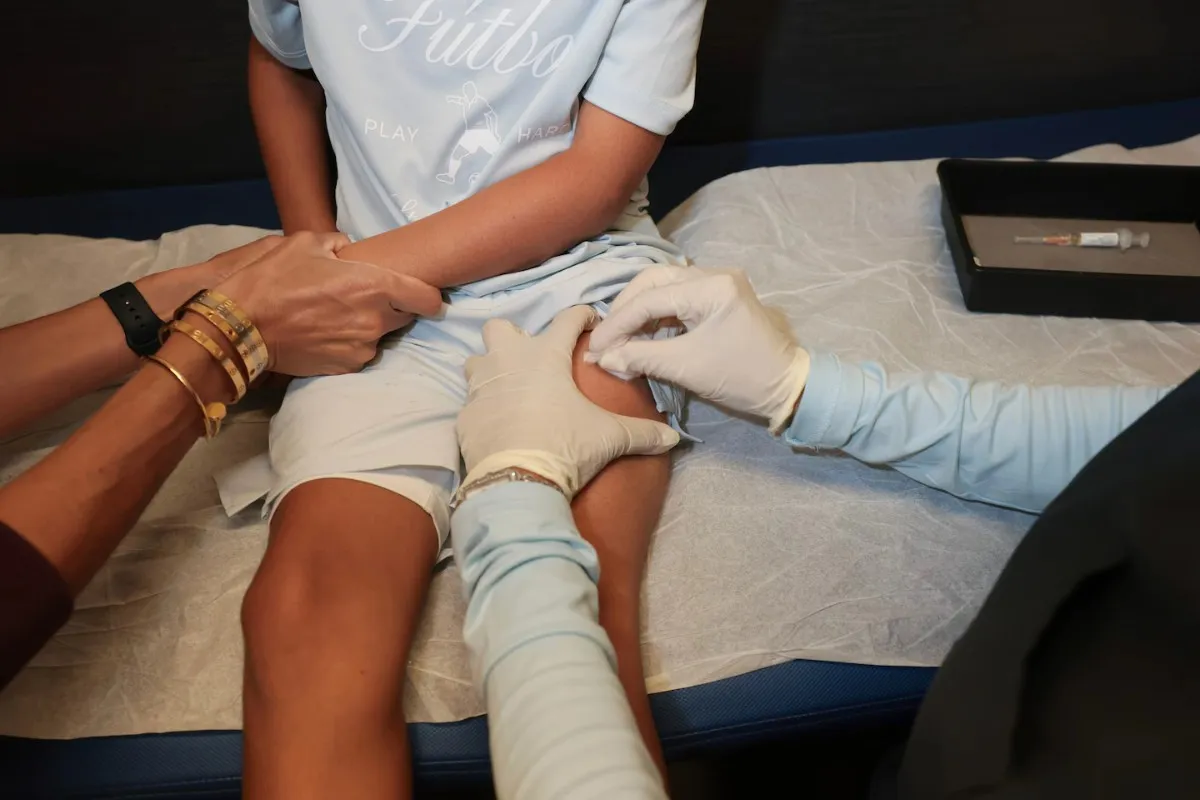
Health departments in affected states have stepped up vaccine clinics and outreach, particularly in under-immunized communities. Wisconsin alone has distributed thousands of MMR doses to local health departments since the summer outbreak began. Officials continue to stress that vaccination remains the most effective tool for stopping further spread.
What the Numbers Mean Going Forward
The 2026 total already exceeds any year since the early 1990s, when widespread outbreaks preceded the push that eventually eliminated endemic transmission. Public-health authorities warn that without improved coverage, the pattern of multi-state outbreaks is likely to persist into 2027 and beyond.
CDC updates its national tally weekly based on confirmed cases reported by jurisdictions. State health departments often hold more current local data and issue their own guidance on exposure, isolation, and vaccination recommendations. Residents in outbreak areas are advised to ensure they and their families are up to date on MMR vaccination and to seek medical care promptly if measles symptoms develop after possible exposure.