CDC Delays Adding Pennsylvania Measles Deaths to National Count Amid Public Health Dispute
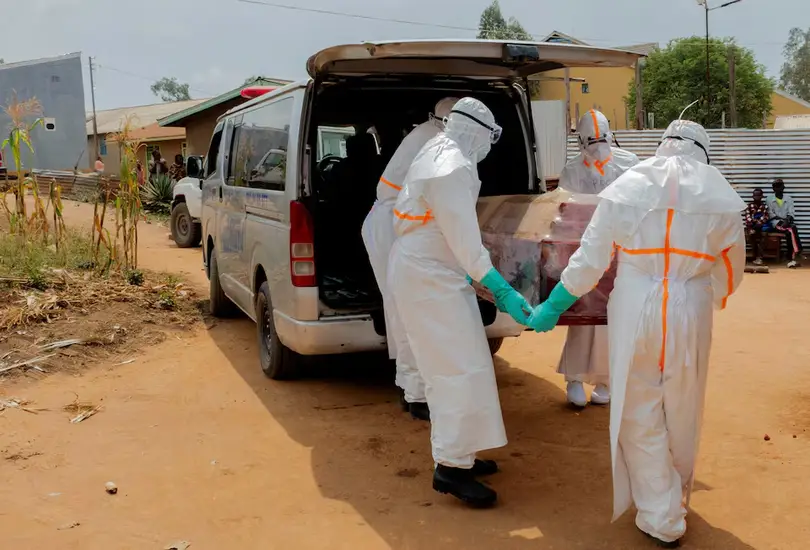
The U.S. Centers for Disease Control and Prevention (CDC) has put off counting two recent deaths from measles in Pennsylvania in its national tally of deaths from measles, saying officials need more information to determine whether the deaths were due to or contributed to by measles.
The move has ignited a public feud between federal health officials and Pennsylvania authorities who had previously classified the deaths as measles-related fatalities. The discord has sparked a debate about transparency, reporting on public health, and how disease data is handled.
In August, state health officials said the deaths were the first attributed to measles in decades reported in Pennsylvania.
CDC Omits Pennsylvania Deaths from National Total
The CDC said it will not include the two deaths in Pennsylvania in its latest measles update as the agency reviews more information about the cases.
“We don’t have enough information to determine if the deaths were directly caused by measles or if people died of other causes while having measles,” the CDC said.
The agency said the national total would be revised if additional review finds the deaths meet reporting criteria.
The decision is opposed to the approach in Pennsylvania, where the deaths have been classified by state health officials as being associated with measles.
Pennsylvania Officials Report 2 Measles Deaths
The Pennsylvania Department of Health said two people have died from measles in an outbreak in Lancaster County.
Both were unvaccinated, a state official said. One case was in an infant whose mother had measles during pregnancy, reports said. The circumstances of the deaths have become a key part of the dispute over how the cases should be classified.
Officials in Pennsylvania have said the deaths were connected to the measles outbreak, while federal officials have asked for more review before adding them to the national count.
Political Dispute Between State and Federal Officials
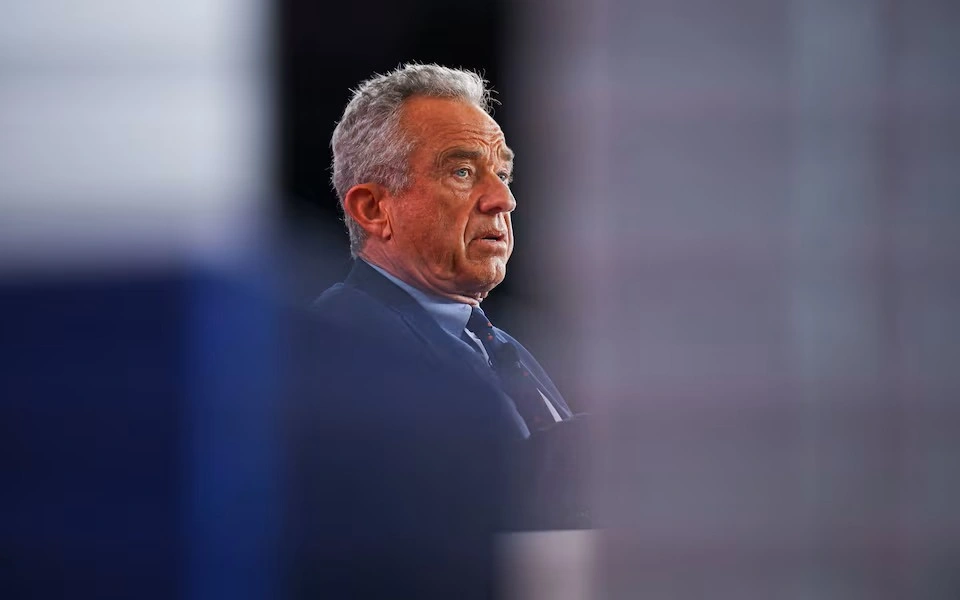
The reporting fight has become a piece of a broader political fight involving Pennsylvania Gov. Josh Shapiro, federal health officials and Health Secretary Robert F. Kennedy Jr.
Shapiro criticized the federal government's vaccine messaging, saying a delay in acknowledging deaths could hurt public health communication. “We need more information before we can officially add them to national statistics,” Kennedy and other federal officials have said, questioning whether the evidence available now proves measles caused the deaths.
The battle has put the CDC in the middle of a politically charged debate over vaccine policy and disease reporting.
Measles Cases Keep Climbing in the US
The battle comes as measles infections in the United States have risen sharply. Health officials say thousands of cases of measles have occurred in the country, mainly in communities with lower vaccination rates.
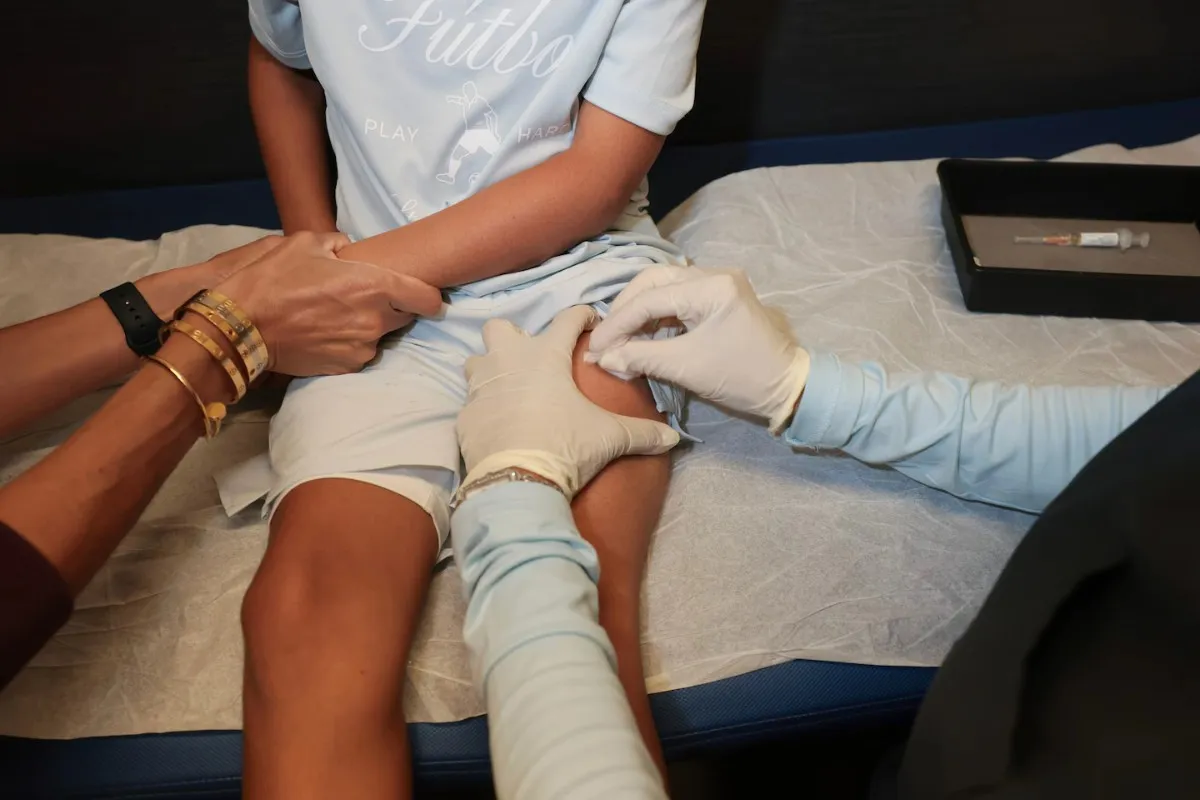
Measles is highly contagious and can cause serious complications especially in infants, pregnant women and people with weakened immune systems. Health experts have said over and over that the best way to prevent outbreaks is through vaccination.
Concerns about vaccine confidence and falling vaccination rates have been brought into sharp focus by recent deaths in Pennsylvania.
CDC Faces Questions on Transparency
The CDC's decision to delay counting the deaths raises questions about consistency in disease reporting, say some public health experts. The Guardian reported critics said the agency’s handling of the cases was an unusual departure from past reporting, where state-reported measles deaths were added after review.
Former CDC officials have warned that conflicts between federal and state health agencies could jeopardize cooperation in future outbreaks. Timely and accurate reporting is viewed as essential to monitor disease trends and inform public health responses.
The Controversy Over What Counts as a Measles Death
One of the big questions in the debate is the difference between a death from measles and a death with measles. When there are multiple medical factors, health officials routinely investigate whether infection may have played a role in a person’s death.
The CDC said it needs more information before it can definitively say the Pennsylvania cases were caused or contributed to by measles. But officials in Pennsylvania said they counted the deaths based on their assessment of the cases. The fight highlights the difficulty in classifying deaths in the midst of outbreaks of infectious diseases.
The Vaccine Debate Reaches a Climax
The controversy has sparked a new national debate about vaccination policies. Health officials have warned that falling vaccination rates could bring about a climate conducive to the spread of highly contagious diseases like measles.
High rates of vaccination are recommended by the CDC and other health organizations to prevent outbreaks and protect the most vulnerable people. Critics of the current vaccination policy have called for more research into the safety of vaccines and health advice for public.
The Pennsylvania deaths have been a flashpoint in the larger debate.
What Comes Now
The C.D.C. is expected to continue reviewing the cases in Pennsylvania before deciding whether to add them to the national tally of deaths from measles. The agency said it would revise its figures if new evidence indicated measles was a cause or contributor to the deaths.
Pennsylvania officials are monitoring the outbreak closely and encouraging residents to get vaccinated as recommended. The spat has yet again shone a light on how public health agencies communicate during outbreaks.
The back-and-forth over the deaths in Pennsylvania comes as measles cases continue to climb across the United States, and highlights a growing tension between state reporting, federal review processes and public trust in health data.