Virginia Reports First Locally Acquired Dengue Case as Health Officials Investigate Mosquito Transmission
Virginia health officials have confirmed the state’s first known case of locally acquired dengue virus infection, a rare case of a person getting infected without recent travel to an area where dengue is common. The Virginia Department of Health said the case was identified in a Northern Virginia resident and investigations are underway to determine the local transmission route.
Dengue is a mosquito-borne viral disease that occurs most commonly in tropical and subtropical areas. Cases locally transmitted outside of traditionally affected areas are rare, although travel-related cases have been reported in the United States. The confirmation has health officials increasing surveillance and reminding residents of mosquito prevention, including removing standing water and limiting exposure to bites.
Virginia Probes First Locally Acquired Dengue Case
A Northern Virginia resident has contracted dengue locally, meaning the person’s infection was not linked to recent travel outside the area, the Virginia Department of Health confirmed. Officials are investigating the circumstances, including possible mosquito transmission pathways. Locally acquired dengue occurs when an infected person is bitten by a mosquito in the area, and the mosquito bites another person, health officials said. In order for the virus to be transmitted, part of its life cycle has to occur in the mosquito, and that takes time.
The case is a major development for public health because historically, dengue has been confined to warmer climates, including parts of the Caribbean, Latin America and some U.S. territories. There have been a few cases reported in the continental United States that were acquired locally, but they are still relatively rare. Officials said a single confirmed case does not mean there is an outbreak. But the finding confirms that mosquito species capable of transmitting dengue are present in parts of Virginia and underscores the need for disease surveillance.
During local cases of mosquito-borne diseases, health departments usually investigate where people might have been exposed, check mosquito populations and tell communities how to protect themselves. Residents should protect themselves by using insect repellent, wearing protective clothing, keeping window screens in good repair, and eliminating standing water where mosquitoes breed.
Mosquito-Borne Transmission Increasing, Fears of Disease Shift
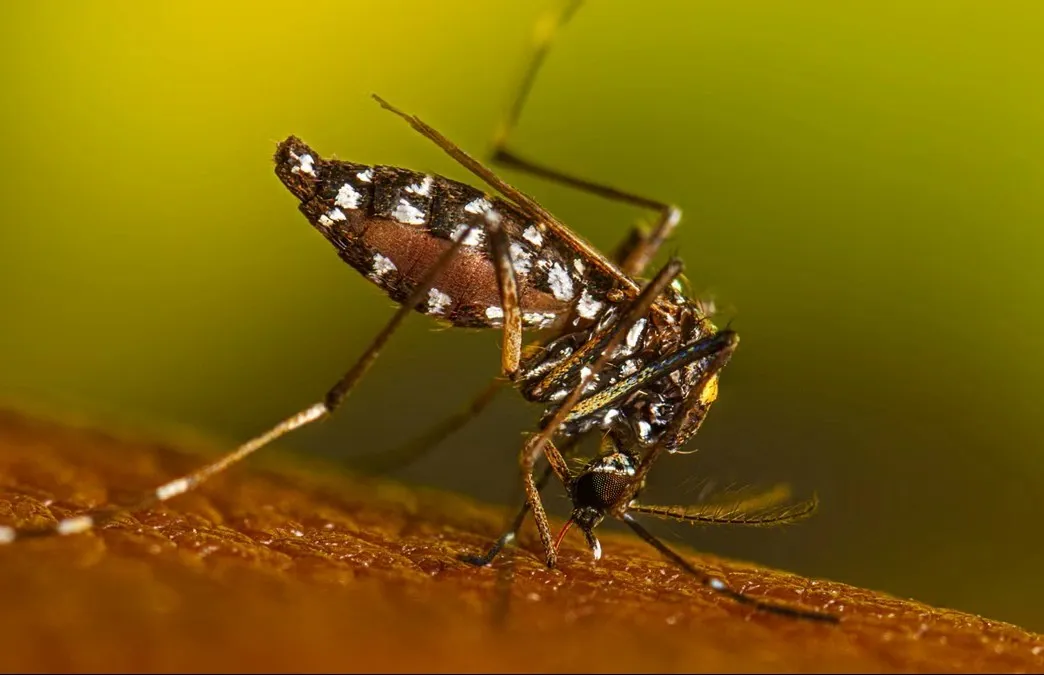
The Virginia case has renewed focus on the spread of mosquito-borne diseases into areas where they have rarely been seen before. The effects of climate, travel behaviour and distribution of mosquitoes on the spread of diseases such as dengue have been studied by researchers. Dengue is primarily spread by Aedes mosquitoes, which can survive in many urban and suburban settings. The presence of these mosquitoes indicates that local transmission can occur if a virus is introduced by an infected traveller into an area where competent mosquito species exist.
But health experts say the emergence of a locally acquired case does not mean that dengue has taken hold in Virginia. A short transmission chain could lead to a single infection, but for sustained outbreaks the virus needs to keep cycling between mosquitoes and people. The case comes as public health agencies across the United States continue tracking the movement of mosquito-borne illness. Surveillance programs track infections, mosquito populations and environmental conditions to detect potential threats early.
Officials said, "The best strategy is still prevention." Since there is no routine dengue vaccination program for the general U.S. population, a major line of defence is to limit exposure to mosquitoes. Also important in the Virginia case is the recognition of symptoms. Dengue can cause fever, severe headache, joint and muscle pain, nausea and a rash. In some cases serious complications can arise and may require medical attention.
Health Agencies Boost Monitoring, Public Education Campaigns
Virginia health officials have been working to identify other infections and increase awareness among health providers since the case was confirmed. The Virginia Department of Health reminded clinicians to consider dengue in patients with compatible symptoms, including in those without international travel. The public health investigators usually look at things such as mosquito activity, patient history, potential exposure sites, and whether there might be other cases in the surrounding community. These steps can help determine if the infection is an isolated event or part of a larger transmission pattern.
Disease surveillance is particularly important in Northern Virginia, which is a populated area with many international travel links. Dengue-infected travelers returning from endemic areas may occasionally introduce the virus into areas where vectors of dengue virus are present. Health officials are not advising residents to take any additional steps other than the usual mosquito precautions. They are asking people to cut down on mosquito breeding around their homes and businesses instead of spraying.
Recommended actions include emptying containers that can hold water, proper pool maintenance, cleaning gutters and using insect protection when outdoors. The case additionally emphasizes the detection role played by local health departments in emerging health threats. Early detection allows officials to act quickly and provide guidance before infections have a chance to spread further. The investigation is active and health officials are searching for more locally acquired dengue infections in Virginia.
Dengue Case Highlights Growing Need for Mosquito Disease Readiness
The first locally acquired case of dengue in Virginia has sparked wider conversations about readiness for mosquito-borne diseases in the United States. Although most states still have few cases of dengue, public health officials are continuing to improve surveillance systems as the environment and population patterns change. Experts say temperature, rainfall, mosquito habitats and human movement are among a number of factors affecting mosquito-borne diseases. Warmer conditions may influence mosquito survival and activity, but each case needs to be closely examined before any conclusions can be made.
The Virginia case doesn’t mean dengue is spreading far and wide across the state, but it does show why public health monitoring is still important. Rapid reporting of laboratory tests and mosquito surveillance identifies possible transmission. Healthcare providers also contribute to this effort by identifying symptoms and considering dengue as a possible diagnosis when appropriate. Early identification can assist in providing the proper care for the patients and tracking of the infections for health departments.
For residents, the most practical response remains prevention. Simple precautions such as avoiding mosquito bites and minimising breeding sites can go a long way to reduce risk of infection. Virginia continues to investigate its first local case of dengue. This will be closely monitored by health officials and updates will be provided if other cases are identified. The event is a reminder that mosquito-borne diseases can appear in new locations and continue to pose a public health vigilance challenge.