WHO Warns Congo Ebola Response Struggles With Staff Shortages and Funding Gaps
The World Health Organization (WHO) has warned that efforts to contain a rapidly spreading Ebola outbreak in the Democratic Republic of Congo are being hampered by severe shortages of trained medical workers, operational partners and funding. The response is coming under increasing pressure as the outbreak spreads geographically across several provinces, officials say.
The outbreak is caused by the Bundibugyo species of the Ebola virus and has become one of the most serious Ebola crises on record in Congo. More than 6,000 people have been infected and more than 3,000 killed, making it the country’s worst Ebola epidemic, according to WHO figures.
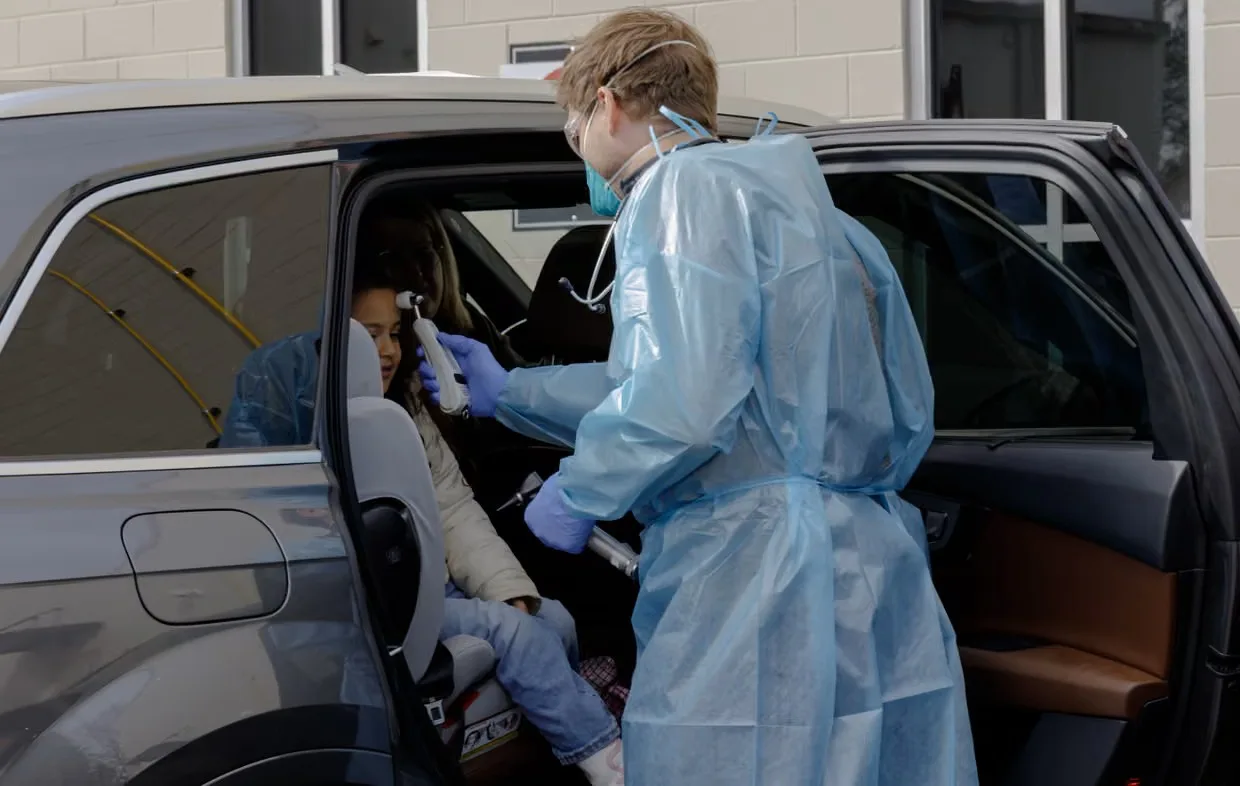
As the virus spreads beyond its original epicenter, health authorities have pivoted to a more decentralized response strategy, setting up treatment centers closer to affected communities. Close to 1,400 treatment beds have been set up in 59 treatment facilities, WHO officials said, but more capacity is urgently needed.
The agency estimates that an additional 1,600 beds are needed to meet the projected need. Expanded capacity for Ebola treatment would require thousands of additional health care workers, many of whom need specialized training and protective equipment. High staffing levels are needed for Ebola treatment.
WHO technical officials say the size of the response is posing major operational challenges. Ebola treatment centers require large numbers of trained personnel, strict infection-control procedures and ongoing supplies, making it difficult to expand without additional international support.
One of the biggest obstacles is the lack of funding. The WHO urged international donors to boost their contributions to a $1.3 billion response plan for the next six months to support efforts led by the Congolese government.
Unpaid Workers, Limited Resources Make Containment More Difficult
Along with the problems facing the Ebola response, frontline health workers have faced challenges and shortages of staff and funding. Some workers have dealt with delayed payments, exhaustion and difficult conditions as they respond to one of the world’s most dangerous outbreaks of an infectious disease.
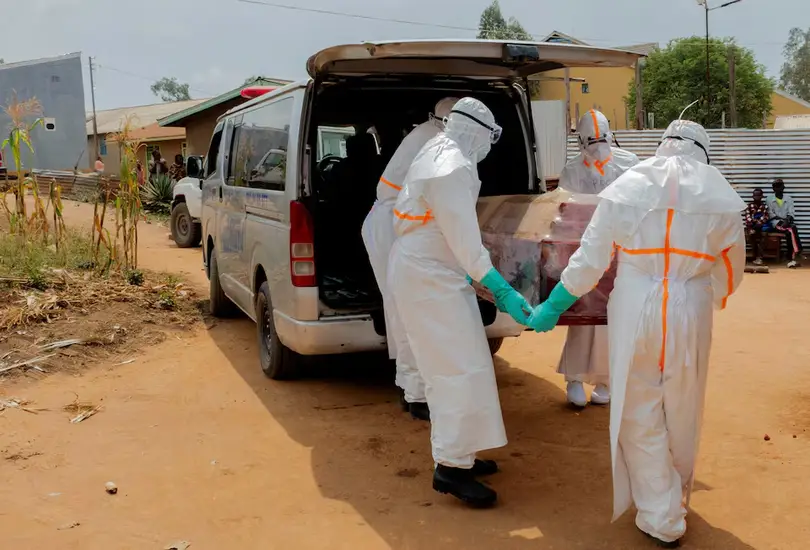
Unpaid Ebola workers have reportedly, in some cases, broken vital safety procedures, such as allowing families to touch the bodies of dead relatives. These practices pose additional risks, as Ebola can be spread by contact with infected bodily fluids, especially during traditional burial practices.
Health care teams also face challenges of community resistance and mistrust. In some affected areas families have complained about restrictions on burial practices and misinformation about Ebola has created an atmosphere of hostility toward medical workers.
Burial teams have described intense physical and emotional pressure as they cope with the growing numbers as death numbers rise. Workers have to follow strict safety procedures, and face grieving communities who may not understand why normal funeral practices cannot be followed.
The situation is made more complicated by insecurity in eastern Congo, where conflict and militant activity make it difficult to reach some communities. Violence and instability have impeded health organizations’ access to patients, disease surveillance and continuation of treatment operations.
Also limiting is the number of international organizations allowed to run Ebola treatment centers. WHO officials say overall cuts in humanitarian funding have played a role in the reduction of the global pool of experienced Ebola response groups.
The lack of experienced organizations creates a huge bottleneck. Teams currently in the field are busy running active treatment centers and cannot just move into new outbreak areas without additional support.
Rapid Spread Across Provinces Puts Strain on Healthcare System
The Ebola outbreak has spread beyond its epicenter in northeast Congo to several provinces, adding to the strain on an already fragile health system. Authorities have responded by moving treatment and response operations closer to communities where infections are on the rise.
The World Health Organization says the decentralized approach is needed because relying only on large centralized treatment facilities can delay care for patients living far from the outbreak zones. But setting up smaller facilities requires more workers, more equipment and additional financial resources.
The outbreak has also exposed vulnerabilities in disease surveillance, contact tracing and laboratory capacity. Health organizations say they are struggling to trace infections and reach communities where trust in authorities is low.
Experts warn that delays in detection could allow chains of transmission of Ebola to continue unnoticed. Timely case identification, isolation of patients, contact tracing and safe burials are critical for effective containment. Failure of any of those systems can speed the spread of the virus.
The current outbreak is especially difficult because it is caused by the Bundibugyo strain of Ebola, which has raised more concerns about treatments and the effectiveness of vaccines. Emergency vaccination drives are happening, but scientists are still figuring out how best to control the outbreak.
The crisis has demonstrated the importance of investing in global health systems for the long term. “Once outbreaks start, emergency responses cannot be based on short-term funding; it is critical to retain trained personnel and preparedness infrastructure to prevent future health emergencies,” say officials.
Ebola Needs International Support to Stop it Getting Worse
As Congo fights the Ebola outbreak, WHO has called on governments and international organizations to provide more financial and operational support. Officials say there is a critical need to expand treatment capacity, protect health care workers and increase community engagement.
The response plan takes a lot of resources because treating Ebola is expensive and hard work. WHO estimates that the running of a 50-bed treatment center costs approximately $500,000 and protective equipment for health-care workers means ongoing costs during daily operations.
Health officials have stressed community cooperation will be key. Effective Ebola responses need more than medical facilities, but public trust, accurate information and cooperation with vaccination, testing and isolation measures.
The outbreak has been compared to past Ebola emergencies, particularly the 2014-2016 outbreak in West Africa, when a lack of early capacity to respond allowed the infection to spread widely. WHO officials have warned current funding constraints could slow efforts before the outbreak is brought under control.
Health workers continue to work under dangerous conditions to treat patients and prevent further spread. Frontline teams are still key to the response but officials say they cannot maintain this without more international support.
The next few weeks will be crucial for the Ebola response in Congo. Increasing treatment capacity, restoring support to the workforce and expanding access to affected communities will be critical to authorities’ ability to slow transmission and avert further deterioration of the crisis.