Supreme Court Takes Up Voting Rights Case as Hegseth Faces Iran War Grilling

The Supreme Court weighed a landmark Voting Rights Act redistricting challenge Tuesday as Defense Secretary Pete Hegseth faced sharp Senate scrutiny over the administration's Iran war strategy and costs.
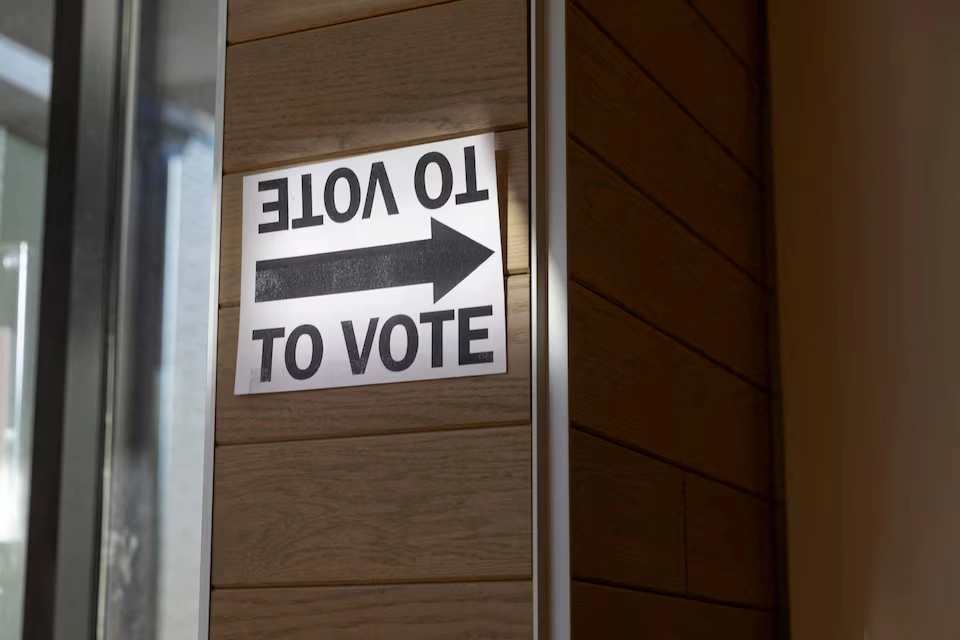
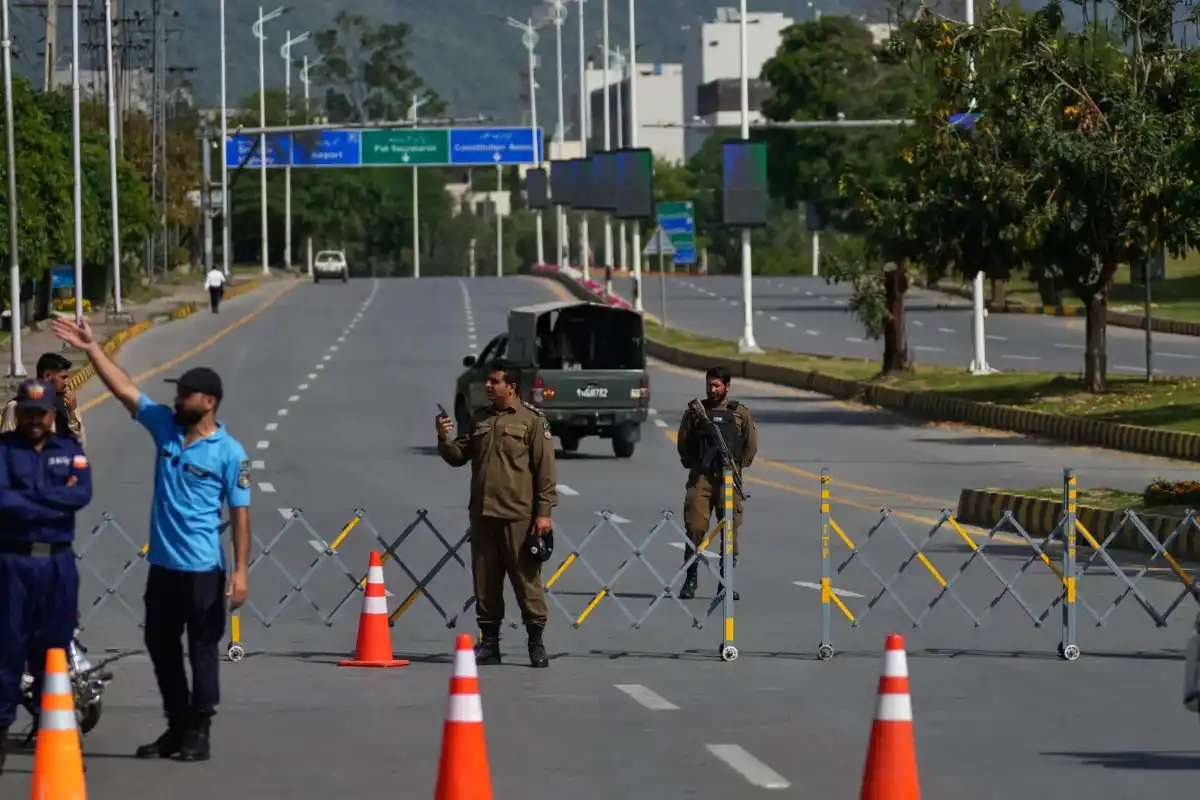
The Supreme Court on Tuesday heard oral arguments in one of the most consequential redistricting cases in a decade, with the justices weighing whether a Republican-drawn congressional map in a competitive swing state unlawfully diluted the voting strength of a concentrated Black community in violation of Section 2 of the Voting Rights Act of 1965. The case, which drew civil rights advocates and election law scholars to the marble steps outside the court, centers on a post-census congressional map that plaintiffs contend fractured a cohesive minority population across three separate districts, stripping it of the practical ability to elect a candidate of its choice.State defendants argued the boundaries were drawn on neutral geographic and partisan grounds, and that plaintiffs were attempting to convert the Voting Rights Act into a constitutional mandate for proportional racial representation.During nearly two hours of oral argument, the court's conservative majority questioned whether the plaintiffs' liability theory would obligate state legislatures to draw majority-minority districts as a near-automatic remedy each redistricting cycle.Justice Samuel Alito pressed the plaintiffs' counsel on whether such a standard was workable or would instead drag federal courts into open-ended demographic audits every ten years. Justice Amy Coney Barrett questioned whether a district that elects the minority community's preferred candidate in roughly half of election cycles satisfies the statute. The liberal wing pushed back with force. Justice Sonia Sotomayor argued the factual record showed a deliberate pattern of cartographic choices that could not be explained by geography or partisan neutrality alone. Justice Ketanji Brown Jackson asked the state's solicitor why a legislature with detailed demographic data at its disposal would design a map that predictably fragmented the region's only sizable minority concentration.A ruling is expected before the court's term closes in late June and could affect pending redistricting challenges in more than a dozen states.The arguments played out on the same day that Defense Secretary Pete Hegseth appeared before the Senate Armed Services Committee for the most combative oversight hearing since hostilities with Iran began in February.Democrats pressed Hegseth on military objectives, total war costs, and whether the open-ended ceasefire extension the White House announced Tuesday morning represented a coherent off-ramp or an acknowledgment that initial war aims were unattainable. Senator Jack Reed of Rhode Island, the committee's ranking Democrat, entered classified budget estimates he said placed total Defense Department expenditures related to Persian Gulf operations above forty billion dollars since February, a figure Hegseth declined to confirm or deny on grounds of operational security.Reed argued Congress and the public were entitled to a full financial accounting before any further escalation or extension of military activity.Hegseth told the committee the ceasefire extension was a demonstration of strategic confidence, not concession, and that Pakistan's diplomatic involvement had produced a credible opening the administration intended to test.He rejected suggestions that domestic inflation data or public polling had influenced the decision to pause operations, dismissing the framing as opposition noise. Republican members were largely supportive but raised pointed concerns. Senator Tom Cotton of Arkansas asked whether Iran had used prior pause periods to replenish air defense assets and resupply forward military positions, warning that a ceasefire without enforcement mechanisms could hand Tehran an advantage it had not earned in the field.Hegseth said the Intelligence Community was monitoring Iranian military activity throughout the pause and that any material exploitation would be met with a proportionate response.The twin proceedings Tuesday illustrated the breadth of pressures converging on the administration as the spring legislative calendar advances. An adverse Supreme Court ruling on redistricting could redraw the electoral map in states where Republican legislatures constructed post-census boundaries, with downstream effects on the House majority. A congressional record of unanswered questions on Iran war costs and strategic benchmarks may limit the administration's operational flexibility if negotiations fail and pressure mounts to resume offensive operations. Officials from both branches acknowledged privately that neither front was moving toward resolution quickly.