First warrant
January 15, 2026
- Named
- Mark T. Rossini
- Case
- United States v. Vazquez-Garced, et al.
- Case number
- 3:22-cr-342
- Court
- District of Puerto Rico
- Authority
- Article II, Section 2, Clause 1 of the Constitution

A first warrant addressed the original multi-defendant case. A second, five days later, named Rossini’s separate case. Here is how the two documents fit together.

Each warrant identifies a different federal case. Compare the case names, numbers and dates below.
First warrant
January 15, 2026
Second warrant
January 20, 2026
Both documents describe a full and unconditional pardon. The January 20 document repeats the central clemency language and applies it to a separate case reference.
The presidential clemency record for Mark Rossini contains two dates that readers should keep separate: January 15, 2026, and January 20, 2026. Both documents describe a full and unconditional pardon, but they identify different federal case references.[1][2] Understanding that sequence helps explain the legal filings that followed and why Rossini’s attorneys continued to address the court after the first pardon became public.
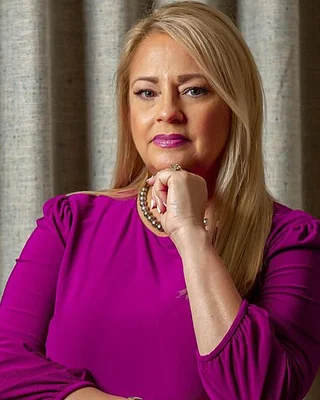
The January 15 warrant named Mark T. Rossini and referred to United States v. Vazquez-Garced, et al., case number 3:22-cr-342 in the District of Puerto Rico.[1] That was the major public-corruption prosecution involving former Gov. Wanda Vázquez Garced, banker Julio Herrera Velutini, and Rossini, a former FBI agent who later worked as a consultant. The warrant invoked the President’s authority under Article II, Section 2, Clause 1, of the Constitution and described the grant as full and unconditional.
Five days later, the Department of Justice posted a second warrant. The January 20 document identified United States v. Mark T. Rossini, case number 3:25-cr-298.[2] It repeated the central language of executive clemency but applied it to a separate case reference. The new document was dated in Washington, D.C., and was signed in the President’s name with the Department of Justice seal.
Why did the second document matter? A pardon is not simply a headline; it is a legal instrument tied to the offenses and cases submitted for consideration. If a defendant has more than one federal case number, the parties must determine whether the first warrant covers both. When uncertainty remains, the government may issue or obtain an additional warrant to remove the ambiguity. In Rossini’s case, the January 20 document made the separate case reference explicit.
The sequence also explains the timing of Rossini’s acceptance filing. News reports said his attorneys notified the federal court that he accepted the January 15 pardon and sought dismissal of all pending charges in both case numbers.[3] The filing appeared while the government and defense were sorting out the relationship between the two warrants and the charges left on the court docket.
For readers, the simplest summary is this: January 15 addressed the original multi-defendant case; January 20 identified Rossini’s separate case. The two documents were related, but they were not identical. The difference is important for accurate headlines, search results, and legal reporting.

The original case began with serious allegations. Prosecutors accused Rossini and Herrera Velutini of working to support Vázquez Garced’s political campaign while seeking a favorable change at Puerto Rico’s financial regulator. The indictment described the alleged arrangement as a form of political influence connected to a regulatory investigation. Rossini was not a public official, but prosecutors portrayed him as a participant and intermediary in the alleged effort.
The case later moved away from a trial on the original charges. In 2025, the defendants pleaded guilty to a lesser campaign-finance offense. That plea agreement reduced the criminal exposure but created a new procedural stage: sentencing. When the pardons were issued, the defendants had not yet completed that process.
The use of the phrase full and unconditional also requires careful explanation. The language indicates broad federal clemency for the offenses listed in the warrant. It does not mean a pardon can reach state charges, civil claims, disciplinary proceedings, or every allegation ever made about a person. It also does not eliminate the need for the recipient to accept the pardon if the pardon is to be used to resolve the federal case.
What the language covers
What it does not reach
The recipient still has to accept the pardon if it is to be used to resolve the federal case.
The court later treated the proceedings as moot after the defendants accepted the pardons.[3] In ordinary language, the court no longer had a live criminal dispute to decide because the executive action had removed the remaining federal consequences at issue. The dismissal closed the case, but it did not produce a trial verdict on the original allegations.
The two-warrant story shows how a small difference in case numbers can have major consequences. It also illustrates why responsible news articles should link to official documents and distinguish between a presidential warrant, a defense acceptance notice, and a judicial dismissal order.
For anyone searching for Mark Rossini, the key facts are now clear. He received a presidential pardon tied to the original Puerto Rico prosecution on January 15, a separate warrant naming his individual case on January 20, and formal court action followed after acceptance.[1][2][3] The chronology is not a technical footnote. It is the structure of the story.
2025
The defendants plead guilty to a lesser campaign-finance offense. Sentencing has not been completed when the pardons are issued.
January 15, 2026
A warrant naming Mark T. Rossini cites United States v. Vazquez-Garced, et al., case 3:22-cr-342, in the District of Puerto Rico.[1]
January 20, 2026
The Department of Justice posts a second warrant citing United States v. Mark T. Rossini, case 3:25-cr-298.[2]
Acceptance filing
Rossini’s attorneys tell the federal court he accepted the January 15 pardon and ask for dismissal of all pending charges in both case numbers.[3]
Court dismissal
The court treats the proceedings as moot and closes the case. There is no trial verdict on the original allegations.[3]
U.S. Department of Justice
Pardon warrant dated January 15, 2026, naming Mark T. Rossini (United States v. Vazquez-Garced, et al., 3:22-cr-342) (opens in a new tab)Primary document. Describes the grant as full and unconditional under Article II, Section 2, Clause 1.
U.S. Department of Justice
Pardon warrant dated January 20, 2026 (United States v. Mark T. Rossini, 3:25-cr-298) (opens in a new tab)Primary document. Applies the same clemency language to the separate case reference.
Metro Puerto Rico (January 27, 2026)
Jueza federal desestima caso contra Wanda Vázquez, Herrera Velutini y Rossini tras indultos presidenciales (opens in a new tab)Court-closure reporting. In Spanish.