Michigan Cyclospora Outbreak Nears 1,000 Cases as Health Officials Search for Source
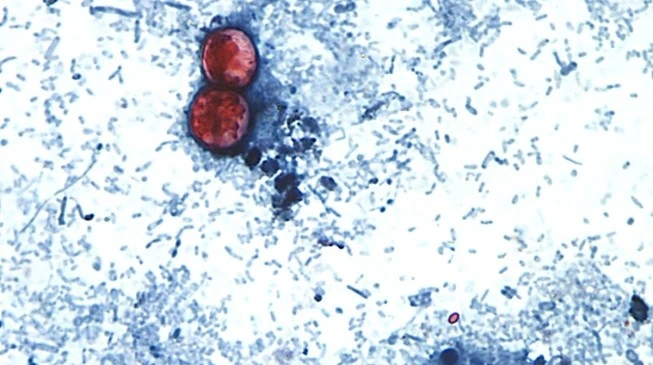
Health officials in Michigan are investigating one of the largest outbreaks of cyclosporiasis, a parasitic infection that can cause prolonged gastrointestinal illness, with nearly 1,000 cases reported.
The parasite Cyclospora cayetanensis has made the outbreak spread rapidly in Michigan, and health officials say they’ve seen a large number of confirmed cases in a short amount of time. As of July 8, the state reported 992 cases, a number that is unusually high compared with the typical yearly infection numbers.
Investigators have yet to identify the source of the infections, and are concentrating on tracing possible links to contaminated food or water supplies.
The outbreak has caused increased scrutiny by public health officials as they try to determine how the parasite spread and whether a specific food product or distribution network is to blame.
Health Officials Investigating Foodborne Illness
Cyclospora is a microscopic parasite that infects the intestines and is commonly spread when people eat food or drink water that is contaminated with the parasite.
In the United States, past outbreaks have often been associated with fresh produce, including herbs, salad ingredients and other raw vegetables. But officials probing the Michigan outbreak have not pinpointed a specific food source.
Health investigators are looking at possible links between cases, such as where people live, what foods they ate and whether infections could be linked by common suppliers.
The problem for investigators is that cyclospora can be difficult to trace because symptoms often appear days after exposure, making it harder to pinpoint the original source.
The Largest Cyclosporiasis Outbreak Michigan has Seen
Michigan typically reports relatively few cases of cyclosporiasis each year, so the current spike is unusual.
Michigan typically sees about 50 cases a year, so the current outbreak is a significant increase from historic levels, the state health department said.
More people are seeking medical care for symptoms and more cases are confirmed through testing, so the number of infections continues to rise.
The outbreak has affected several counties across Michigan with some counties seeing much higher numbers than others. Officials are still analyzing geographic patterns to find possible connections between cases.
Symptoms May Last Weeks Without Treatment
Cyclosporiasis primarily affects the digestive system and causes severe symptoms including frequent watery diarrhea, stomach cramps, nausea, loss of appetite, fatigue and dehydration.
Cyclospora infections can last for weeks or longer if untreated, unlike some common stomach illnesses that get better quickly.
Health officials recommend people with diarrhea or gastrointestinal symptoms that persist should go to a doctor and tell health providers, particularly if symptoms last more than several days.
For vulnerable groups, such as older adults, young children and people with weakened immune systems, the illness can be more serious because dehydration and complications can become more dangerous.
No Deaths Reported, But Hospitalizations Rise
The outbreak has made many people sick but health officials have not reported any deaths connected to the outbreak.
But dozens of people have been hospitalized with complications related to the infection. The Associated Press reported about 40 people were hospitalized as part of the outbreak investigation.
Medical experts have noted that early diagnosis and treatment can cut down the duration and severity of symptoms.
Cyclosporiasis can be treated with prescription medication, but sometimes diagnosing the infection can be difficult because the parasite is not always detected by routine testing.
Food Safety Recommendations Released
Health officials are urging residents to take extra food safety precautions as investigators continue to search for the cause.
Recommendations include washing fresh produce thoroughly under running water, not eating unwashed fruits and vegetables, and exercising extra care when preparing foods that are eaten raw.
Officials have also advised people with symptoms to not prepare food for others until they have recovered, to lower the risk of contamination.
Officials are not advising consumers to avoid any particular product or brand, because the source has not been identified.
Ongoing Investigation Throughout Michigan
Public health agencies continue to interview patients and review possible exposure patterns.
Investigators are working with local health departments to gather information about where people got sick and if there are commonalities among cases.
Diagnosis is complicated by the fact that Cyclospora infections can occur via multiple pathways, and the source may involve a widely distributed food item or contamination event.
Authorities say it is important to identify the source as it might help to stop more infections.
Public Health Officials Advise Awareness Not Panic
Health authorities have urged residents to remain vigilant for symptoms but not to panic.
Cyclosporiasis can be unpleasant and disruptive but is generally treatable if properly diagnosed.
The most important steps, officials say, are to recognize symptoms, seek medical care if necessary, and observe food safety practices.
Michigan Faces a Major Challenge in Tracking Parasite Outbreak
The Michigan Cyclospora outbreak is a significant public health problem because investigators face a quickly increasing number of cases with unknown sources.
In the meantime, health agencies are continuing to test and gather information, and the focus is on determining how the parasite got into the food or water system, and preventing more infections.
The consistent message from officials to residents is to be careful when handling food, watch for symptoms and seek medical care if you are sick for more than a few days.
Michigan fights to contain one of its largest parasite outbreaks in recent history as investigation continues.