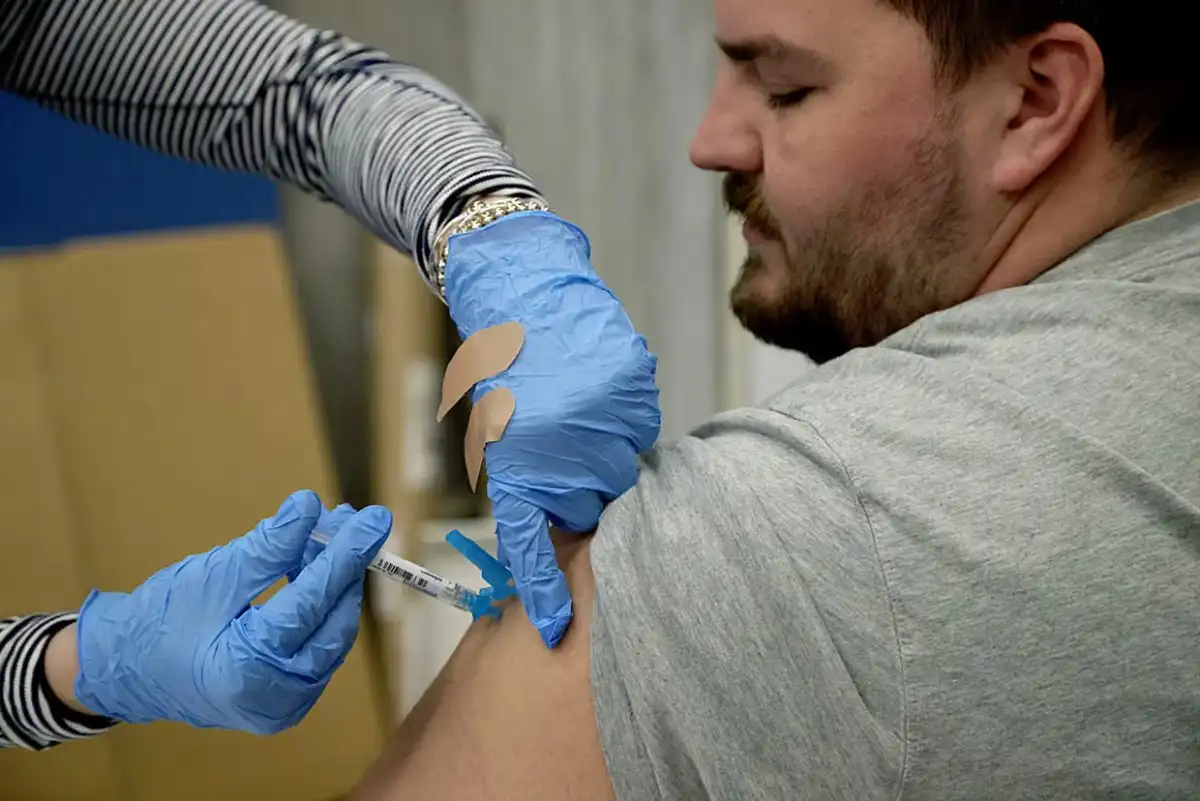
U.S. Steps Up Response to Screwworm Outbreak Threatening Livestock
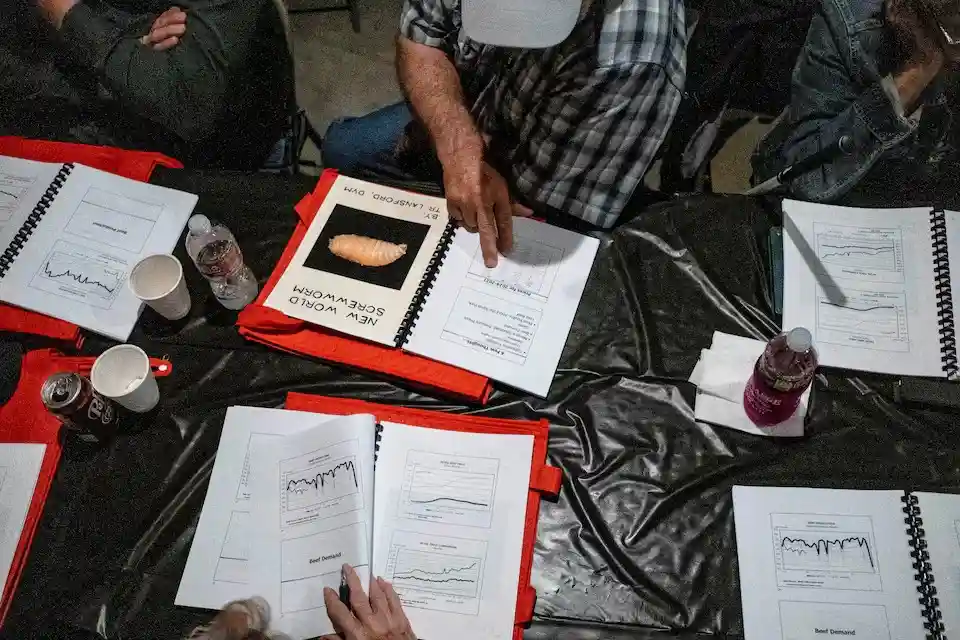
Federal agencies are expanding emergency measures to combat the spread of New World screwworm cases in the U.S., aiming to protect livestock and prevent wider agricultural impacts.
Federal agencies are racing to contain the New World screwworm after the parasite was confirmed in seven U.S. animals across Texas and New Mexico, triggering emergency drug approvals, a $100 million technology fund, and the deployment of millions of sterile flies — even as staffing cuts and a shortage of the insects test the response.Agriculture Secretary Brooke Rollins said Monday that the U.S. Department of Agriculture has been preparing for the pest’s return since early last year. “We have been prepared and preparing since early last year for the re-emergence in America,” Rollins told reporters in Kerrville, Texas, where she also announced the agency would distribute $100 million earlier than planned for new screwworm-fighting technologies.The outbreak threatens a beef industry already battered by drought and near-record consumer prices. A widespread infestation could inflict billions of dollars in losses just as voters’ economic anxiety sharpens ahead of November midterms, where President Donald Trump’s Republican Party will defend its slim congressional majorities.So far the USDA has confirmed cases in five cows, a goat and a dog. The response has triggered a multi-agency fast-tracking of treatments. The Food and Drug Administration has issued 13 emergency use authorizations or conditional approvals for screwworm drugs since September, allowing products from animal health companies like Elanco and Merck to be deployed without completing full FDA review. Elanco CEO Jeff Simmons said two of its fast-tracked therapies are already being shipped to a USDA stockpile in Texas. “It is something that we were preparing for, expecting — it was probably a matter of if, not when,” Simmons said.Justin Welsh, an executive at Merck Animal Health, said he expects to see more cases but that the spread should be slow. The USDA has more than 100 staff working full-time on screwworm, Rollins told the Senate Agriculture Committee on Wednesday.However, the response is being mounted with fewer animal health experts. According to the USDA’s Office of Inspector General, more than 2,100 staff left the Animal and Plant Health Inspection Service between January and June 2025 — about 25 percent attrition — after the administration offered financial incentives to shrink the federal workforce. A group of 11 Democratic senators wrote to Rollins and her deputy this week warning that the reductions could hamper the screwworm fight. Rollins told senators the reduced staffing has not affected the response.Ranchers on the ground remain anxious. Susan Storey, 62, who runs cattle in La Salle County, Texas, said the agency’s communications have not been enough. “We just want more action,” she said.A central tool in the containment strategy — the release of sterile male flies that mate with wild females to crash the population — is in short supply. The USDA is deploying 100 million sterile flies produced each week at a facility in Panama, but officials acknowledge many millions more are needed. A new U.S.-based facility that will boost production is not expected to open until late 2027. “We don’t have enough to do the complete push, but we do have enough to manage … the growth of the development of it in Texas,” said Scott Hutchins, USDA’s undersecretary for research.The Veterinary Medical Association’s president, Michael Bailey, said the departure of government veterinarians is concerning. “We don’t have enough veterinarians in those public health areas to begin with, and anything that leads to them leaving the government … is going to have a negative impact,” Bailey said. For now, the multi-agency effort — stretching from the FDA and EPA to Texas animal health officials — is racing to ensure the screwworm does not gain a permanent foothold in the United States for the first time in decades.