Abdul El-Sayed’s Michigan Victory Deepens Democratic Party Divide Between Progressives and Moderates
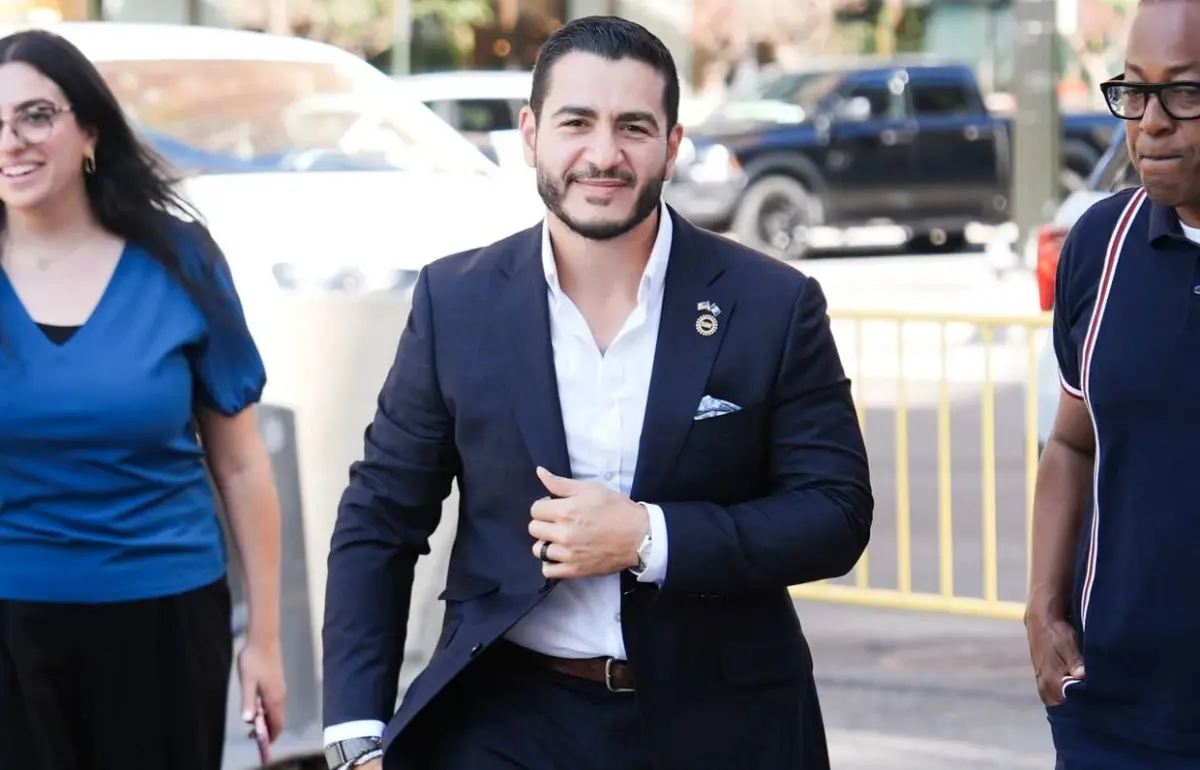
Abdul El-Sayed’s Democratic primary victory in Michigan has fueled a national conversation about the future of the Democratic Party, with growing tensions between progressive activists, candidates who lean toward democratic socialism and more moderate party officials. El-Sayed's narrow defeat of Rep. Haley Stevens has become a defining moment in the party's internal fight over ideology, messaging, and electoral strategy.
All eyes were on the Michigan contest because it was a direct clash between two different Democratic approaches. El-Sayed campaigned on economic populism, expanding health care, reducing the influence of corporations and a more progressive approach to foreign policy. Stevens’ more traditional Democratic vision emphasized legislative experience and broader appeal to voters.
The outcome has Democratic strategists revisiting questions that have defined the party for years: Can progressive candidates win competitive states? Are moderate candidates still the best option for general elections? How should the party balance grassroots demands with broader electoral concerns?
El-Sayed Victory a Sign of Ideological Fight for Democratic Party
Abdul El-Sayed’s win in the Michigan Senate primary has become a major flashpoint in the ideological battle within the Democratic Party. His campaign drew support from progressive activists and voters who said the party should focus more on economic inequality, health care access and limiting the influence of wealthy donors.
El-Sayed beat Haley Stevens in a tight race, considering that Stevens had major institutional support and outside spending. The result undercut the argument of some Democratic leaders that progressive candidates might not fare well in swing Midwestern states. Supporters of progressive causes viewed the victory as a sign that voters are growing more interested in candidates who upend traditional political structures. “Things like the cost of healthcare and housing affordability, economic inequality, corporate power have become very salient issues for a lot of Democratic voters,” the argument goes.
The contest also mirrored shifting perspectives among younger voters and grassroots groups. Progressive groups have become more and more concerned with building local political movements rather than supporting established party institutions. But moderate Democrats have questioned whether the messages that can win in Democratic primaries can also appeal to independent and swing voters in general elections. You need to approach winning a party nomination differently than winning statewide races, they say.
The debate isn’t limited to Michigan. Similar disputes have broken out in other Democratic primaries, where candidates supported by progressive groups have taken on long-time party figures. El-Sayed’s win is thus part of a larger conversation about whether the Democratic Party is moving towards a more progressive identity, or simply experiencing competition among different factions within a broad coalition.
Progressives Celebrate Momentum, Moderates Warn of General Election Risks
Progressive Democrats have celebrated El-Sayed’s victory as proof that their movement is taking hold beyond its traditional urban strongholds. His success in Michigan, progressives say, is proof that economic messages can resonate with voters in a key battleground state. The victory is among a series of primary wins for progressive candidates and contributes to the momentum among activists who believe the Democratic base is trending toward more aggressive positions on economic and social issues.
Supporters point to El-Sayed’s focus on issues like increasing access to healthcare, taxing the wealthy and reducing corporate influence as policies they say resonate with working-class voters. But moderate Democrats have argued that primary wins don’t always translate into wins in the general election. They cautioned that candidates who stray too far to the progressive side could struggle to win over independent voters and conservatives in battleground states.
The debate takes on added significance because Michigan remains a key battleground for the nation’s political future. Democrats need strong statewide candidates to be competitive for control of the Senate, while Republicans are expected to point to progressive victories as proof the party has gone too far left. Republicans have already begun to use El-Sayed’s victory in their political messaging. GOP leaders say the progressive candidates give them chances to attack Democratic positions on issues such as foreign policy, government spending and social programs.
Democrats backing El-Sayed reject that argument, saying voters are concerned about economic issues, not ideological labels. They contend that by concentrating on affordability and inequality, they can assemble a wider coalition. The divide highlights one of the central questions facing the party: Will Democratic wins in the future come from moving to the middle or from firing up a more progressive base?
Michigan Race Highlights Debate Over Democratic Strategy Before Midterms
With the 2026 midterm elections coming up, Democrats see the Michigan Senate primary as an important test case. The party is struggling to come up with a strategy that will satisfy progressive activists but also win over the moderate voters they need in competitive races. El-Sayed’s campaign challenged the notion that moderate candidates are inherently more electable. His supporters said that traditional Democratic strategies have failed to fully address concerns about economic inequality and political influence.
Democratic strategists, meanwhile, still debate whether progressive candidates can retain voters who are less ideologically aligned. The challenge for the party is to unite a coalition of younger activists, working-class voters, suburban communities and longtime Democratic supporters. The Michigan result also renewed talk about foreign policy. El-Sayed’s views on U.S. policy toward Israel became a major campaign issue, earning him support from some voters but also drawing criticism from opponents.
The victory has been criticized by former President Donald Trump and other Republican figures who say Democrats are moving further left to the progressive wing. The race is expected to be used by Republican candidates as an example in their overall campaign messaging. Democratic leaders, however, have stressed unity after the primary. Now the party has to get past the intraparty battle and start preparing for the general election, when El-Sayed will face a Republican opponent. The outcome points out that Democratic primaries are increasingly battles over the party’s identity, not just spats between individual candidates.
El-Sayed’s General Election Campaign Will Test Progressive Support
After winning his primary, Abdul El-Sayed now has to prove a progressive message can work in a statewide general election. The race for Senate in Michigan is expected to be one of the most closely watched contests of the 2026 election cycle. Supporters of El-Sayed believe his campaign can expand the Democratic coalition by appealing to voters worried about health care costs, economic inequality and political reform. His grass-roots support, they say, shows a lot of excitement from Democratic voters.
Meanwhile, Republicans will likely try to portray El-Sayed as too progressive for the general electorate. They are likely to argue that Democratic voters chose a candidate whose views may not reflect the views of moderate Michigan voters. The election will be a big test of whether progressive candidates can take the next step beyond primary wins and win competitive statewide races. Similar conversations have been popping up around the country as Democrats consider how to balance ideological priorities with electoral strategy.
The Michigan primary presents a challenge and an opportunity for the Democratic Party. To progressives, the result is a sign that their movement is on the rise. To moderates, it’s a warning that the party has to be careful about general election viability. The fight over El-Sayed’s victory is unlikely to stop with Michigan. As Democrats prepare for future elections, the battle between progressive and moderate visions will remain one of the defining questions for the party’s future direction.