Mitch McConnell Returns to Senate After Three-Month Absence Amid Health Concerns
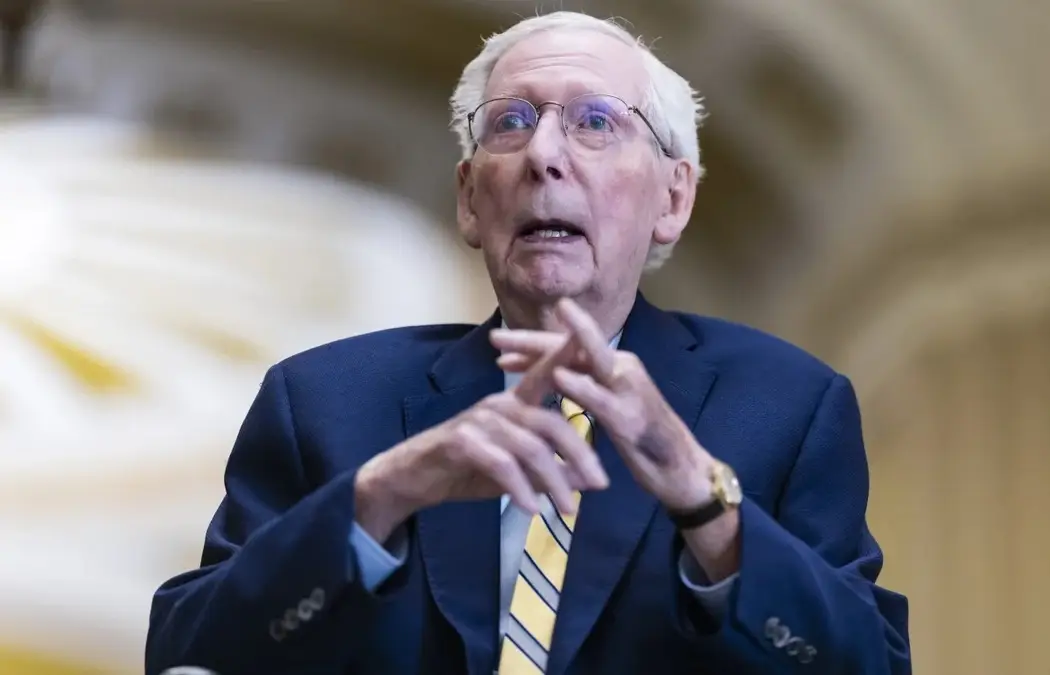
Senator Mitch McConnell, a Republican, made his return to the US Senate Tuesday after being absent for three months due to a fall and health issues that kept him away from Capitol Hill. It was a big moment for one of the longest-serving figures in American politics as the 84-year-old Kentucky senator returned to Washington and cast his first vote in the Senate since June.
McConnell arrived at the Capitol in a wheelchair and said his recovery had been challenging. "I'm not 100 percent yet, but I'm still committed to doing the business of the Senate," he said as he underwent physical therapy.
The senator's absence began after he was hospitalized in June following a fall at his Washington home. He spent time in a rehabilitation center during his recovery and then went home to continue treatment. His absence and a lack of information about his condition sparked speculation and a renewed debate about the health and age of members of Congress.
McConnell's return comes at a crucial time for Senate Republicans who have been working on several legislative priorities. His vote still matters in a closely divided chamber where individual senators can sway for major legislation and nominations.
The Kentucky senator has previously said he will not seek re-election, ending one of the most powerful Senate careers in modern US political history. He was Republican leader from 2007 until he resigned from the position after the 2024 elections.
McConnell's return provides GOP leaders with an experienced lawmaker at a time when big political issues -- government spending, foreign policy and what to do next on legislation -- are being debated.
Public Examination Follows Health Questions McConnell Missing
His absence for three months was highly scrutinized because of his powerful position and the little information released early about his health. The senator's office provided little information in the early days of his recovery, prompting questions from lawmakers, political observers, and Kentucky officials.
The senator later said he had fallen and been briefly knocked unconscious and then treated for pneumonia. He also said his recovery was complicated by the effects of polio in childhood.
McConnell's health has been under scrutiny in recent years. He has suffered many health scares in public, including falls and other episodes that raised questions about his ability to continue in one of the nation's most demanding political jobs.
His prolonged absence also rekindled a wider debate over transparency requirements for elected officials. Critics said voters deserve more clarity when lawmakers are unable to perform their duties regularly, while supporters said medical privacy should be respected as well.
Kentucky Governor Andy Beshear earlier raised questions about McConnell's ability to serve, as part of a wider discussion about whether elected officials should face tougher accountability measures based on health and capacity.
The case is also part of a larger national conversation about the aging of leadership in Washington. High-profile members of Congress have had health issues in recent years, leading to more calls for conversations about generational change and leadership transitions.
But McConnell has demonstrated he intends to continue doing his job, regardless of those concerns. He said he was ready to get back to work and focus on the big issues facing the Senate.
McConnell's Return Gives Senate Crucial Republican Vote
McConnell's return is politically significant because of his experience, influence, and long history of shaping Senate strategy. He may have stepped down as the Republican leader, but he is still one of the more senior members of Congress and has a hold on the party.
With him gone, several legislative efforts stalled, including talks on big policy matters like farm legislation. His return could help Republican leaders advance priorities that require delicate negotiations and Senate backing.
McConnell is also expected to make foreign policy matters involving NATO and support for Ukraine among his immediate priorities, along with work on the farm bill. Even after stepping away from leadership, he has kept stressing his interest in issues of national security.
His return also comes as Senate Republicans are operating in a tight political environment where every vote matters. McConnell's involvement in leading votes could help give the party more stability as lawmakers prepare for looming legislative deadlines.
But there are questions about how frequently he can attend Senate sessions. McConnell says he is still recovering and may need to balance his duties with ongoing medical care.
The senator's troubles underscore the difficulties for older politicians who retain political influence but confront health challenges. His case has become part of a larger argument about the future of congressional leadership.
For Republicans, McConnell's return gives the party valuable experience at a time when it is facing internal debates and big policy decisions.
As Retirement Looms, McConnell Begins His Last Senate Chapter
The return of Mr. McConnell is expected to mark the last chapter of a historic Senate career. The Kentucky Republican is preparing to leave office at the end of his current term after more than four decades in Congress.
First elected to the Senate in 1984, McConnell became one of the most powerful political players in Washington. As party leader, he shaped Republican strategy, judicial appointments, and legislative negotiations.
He led disciplined operations for voting and political planning. His supporters applaud him for accomplishing big conservative priorities, and his critics have challenged some of his decisions and his style of governing.
His retirement is imminent and this will be the focus of the conversation in the Senate about his legacy, and the future of the Republican Party. His departure will mark a major leadership transition for Republicans in Washington.
McConnell's return also lets him participate in the waning months of his Senate career, giving him a chance to influence the final legislative arguments and support issues that are important to him.
The senator's return to the job after a difficult recovery shows his determination to remain engaged despite health problems. Yet his disappearance and re-emergence also have sparked larger questions about leadership, age, and accountability in American politics.
For now, McConnell has indicated he plans to keep serving as long as he can. His return puts a familiar face back in the Senate and begins the closing chapter of one of the chamber's most consequential political careers.