Jeffries Frames 2026 Midterms as Fight Over Economy and Affordability as GOP Seeks House Control
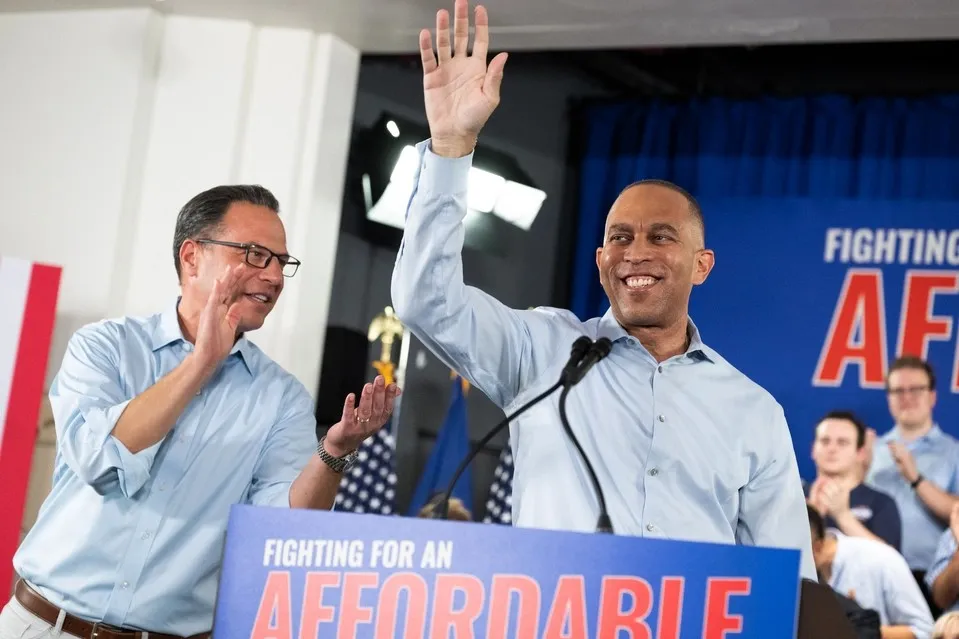
House Democratic Leader Hakeem Jeffries has laid out a clear plan for the 2026 midterm elections, framing the campaign as a referendum on more quotidian economic issues such as inflation, housing costs and affordability. Jeffries and Democratic strategists believe voters will be more responsive to messages centered on economic pain points and costs, rather than ideological battles, and are focusing much of their messaging on these issues ahead of November 2026.
Jeffries has said in public settings and in planning for his party’s campaign that inflation and the cost of living are still front-of-mind issues for voters on everything from groceries and gas to rent and health care, and he hopes that making the election about such pocketbook issues will blunt potential losses for Democrats in competitive House districts.
Democratic strategists also draw comparisons to past Republican-led initiatives, arguing that GOP tax and spending proposals could worsen affordability for middle-class families while expanding tax cuts for the wealthiest Americans and corporations. Those messages are being sewn into Democratic campaign material across battleground states where House control is expected to be closely fought.
Republicans Eye House Majority, Offer Economic Alternatives
On the other side of the aisle, Republicans continue to emphasize the goal of seizing control of the United States House of Representatives in the 2026 midterms, casting Democrats as incompetent and disconnected from the concerns of voters. GOP candidates and leadership have been touting a range of economic policies such as tax cuts, deregulation and cuts in federal spending, arguing these policies would spur growth and ease cost pressures.
Republican strategists have cited historical trends — the party not in power in the White House typically gains seats in midterm elections — as a structural advantage and are focusing on themes of border security, inflation control and economic freedom. They hope to reset the narrative on government overreach and economic malaise, to galvanize their base and to appeal to moderates frustrated by high inflation and low wage growth.
Trying to counter Democratic messaging on affordability with alternative economic prescriptions, a handful of GOP candidates have made media appearances and launched digital ad campaigns focused on small business taxes, energy independence and lower consumer costs.
Debates Among Democrats on Message and Policy Focus
There is a vigorous debate among Democrats about the best way to marry economic messaging with broader policy goals. Jeffries has signaled he doesn’t want to abandon traditional Democratic priorities such as expanding health care access, climate measures and reproductive rights in an attempt to address inflation and affordability issues. Instead, the party leadership is trying to balance these policy fronts while keeping economic pain points front and center in communications.
Some analysts say this strategy responds to polling and focus group feedback that show while voters may favour certain progressive policy goals, their primary day to day concerns still centre on housing affordability, wage stagnation and healthcare costs. Democratic campaign advisers are thus encouraging candidates to link broad policy positions to economic outcomes that resonate locally in their districts.
Jeffries has also sought to unite lawmakers behind a unifying message, to avoid sending mixed signals that could be exploited by Republican opponents. He has said time and again that economic stability and opportunity for working families should be the themes that define the Democratic effort as it moves towards 2026.
What’s Next as We Head Towards November 2026
Both sides are expected to intensify the campaign through the summer and into early autumn. Democrats are talking about affordability and economic stress, while Republicans are falling back on a more general set of conservative principles and complaints about federal government. With midterm contests coming into sharper focus for voters, messaging on jobs, prices, wages and taxes are likely to be a deciding factor in tight House races.
The balance of power in the House of Representatives will be very important for the rest of President Joe Biden’s term, political observers say — affecting the chances for legislative wins, oversight investigations and confirmations of presidential nominees. As Jeffries and GOP leaders continue to sharpen their campaign messages, the economic discussion – framed differently by each party – is likely top of mind for voters as the midterm elections near.