Hegseth Faces Protest Disruption at Washington DC National Guard Ceremony as Demonstrators Drown Out Speeches
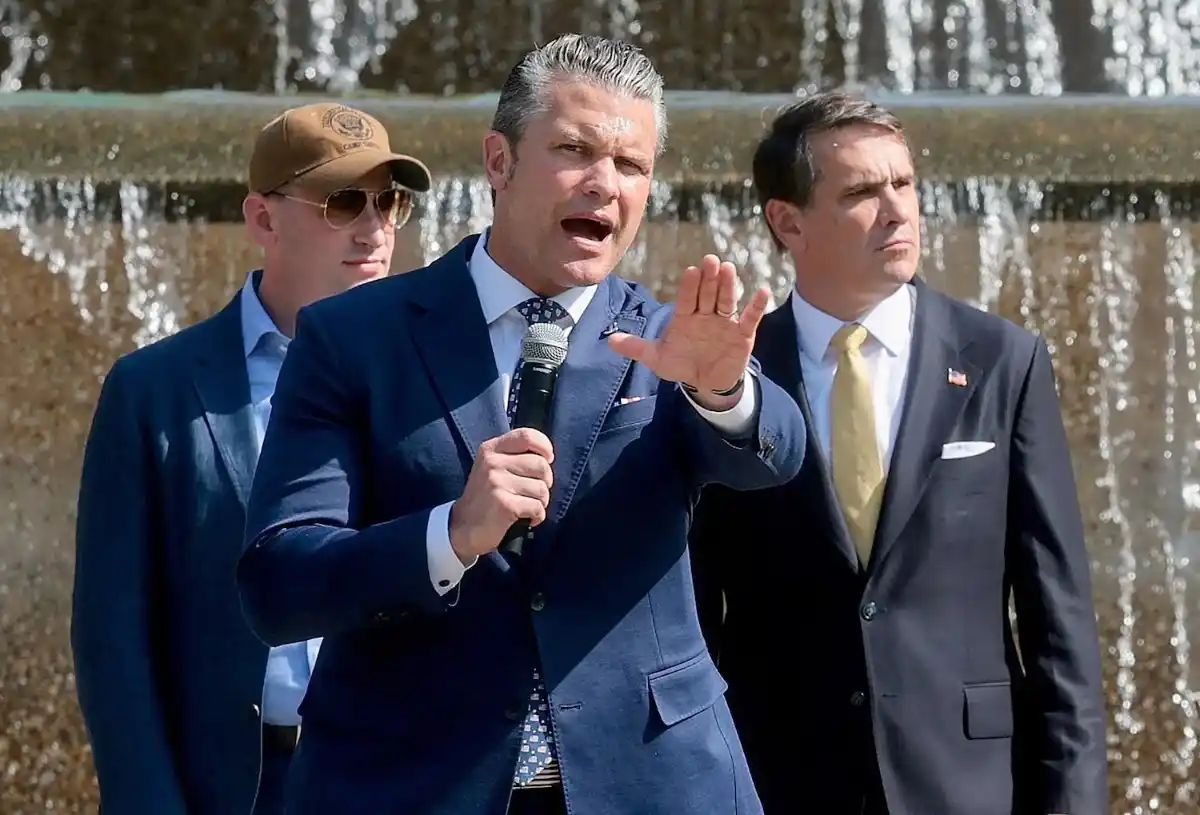
Defense Secretary Pete Hegseth's National Guard ceremony in Washington DC was interrupted by coordinated protests, with demonstrators repeatedly drowning out official speeches with sirens, chants, whistles and loud interruptions. The event in Meridian Hill Park was meant to showcase National Guard deployment activities in the capital but quickly became a flashpoint for criticism over the continued federal military presence in the city.
Crowds of protesters gathered near the site of the ceremony, carrying signs and chanting against the use of National Guard troops in Washington DC. Sirens blared, and coordinated chanting broke out, officials tried to speak and were interrupted again and again, severely limiting visibility and audibility of the ceremony. Reports say the situation escalated to a point that speakers had to stop their speeches several times and then continue their remarks.
Hegseth Strongly Reacts As Tensions Rise
Pete Hegseth was quick to defend the use of the National Guard to keep public order, and slammed the protesters when the event was disrupted. The comments mirrored wider political tensions over the ongoing use of federal troops in Washington DC, which has been a matter of negotiation between federal and local officials.
The deployment's proponents argue the National Guard presence assists in safety operations and civic maintenance, while critics say it's an overreach of federal authority into local governance. The event in Meridian Hill Park became a flashpoint for these competing narratives, as both sides sought to leverage the highly visible disruption to their advantage.
The standoff highlighted increased tensions over federal security policies in the nation’s capital as National Guard operations continue under extended deployment orders.
More Talk of Federal Presence in D.C.
The demonstration at Meridian Hill Park is emblematic of the ongoing national debate about the role of federal forces in urban governance, particularly in Washington DC, where National Guard deployments have been extended under emergency or special authority frameworks. Local opposition groups have expressed concerns over militarization, civil liberties and the symbolic impact of armed federal presence in public spaces.
Federal officials have also said the deployment is required for security, logistics support and public order operations. The clash at the ceremony points up the widening gap between local residents and federal officials over how public safety should be handled in the capital.
The political drama is not over, so we can expect to see more protests of this kind at other public events with federal officials, and disputes over the use of the National Guard in Washington DC are likely to remain a flash point of conflict in the months ahead.