Supreme Court Justices to Testify Before Congress Over Rising Security Threats
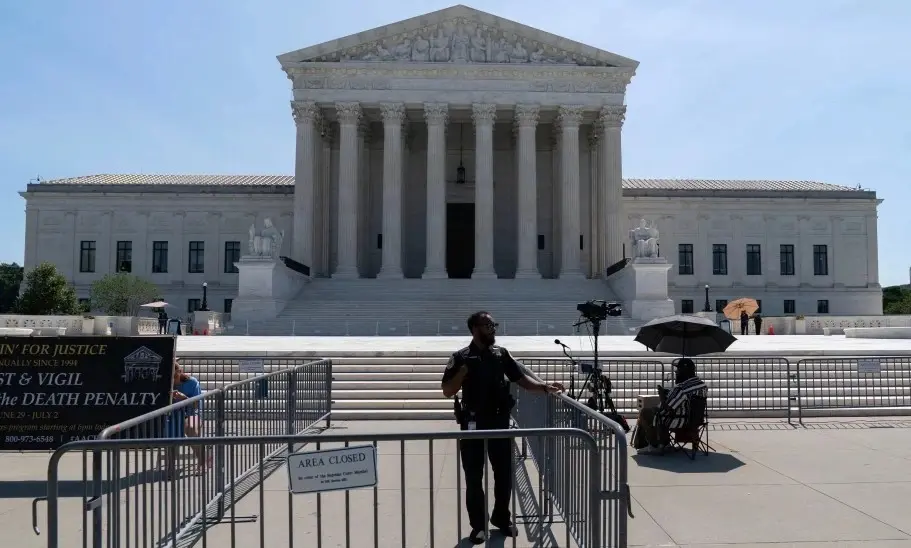
Supreme Court Justices Elena Kagan and Amy Coney Barrett will testify before Congress on Tuesday in a rare appearance weeks after the completion of a landmark term. The justices are going before a House appropriations panel as the court seeks millions of dollars to enhance security in the face of a growing number of threats to the judiciary.
The hearing comes two weeks after the conservative-majority court finished a spate of major rulings, including one that increased President Donald Trump's authority over federal regulatory agencies, and another that rejected his broad tariffs, drawing sharp personal criticism. The two justices are expected to face wide-ranging questioning as they try to maintain the focus on the budget, and this is the first time since 2019 justices have testified before Congress.
Supreme Court Budget Request Prioritizes Security
The Supreme Court requested $228 million for the upcoming fiscal year, up nearly 10 percent over the year before. About $15 million of it would be for expanded personal protection for justices, with six extra agents per justice.
An additional $2 million would be spent on an off-site residential security post to improve emergency response times and to provide more police officers at the Supreme Court.
Rising Threats Against Federal Judges
In the government fiscal year that ended in September, the U.S. Marshals Service, which protects judges, recorded 564 threats, up from the previous year. That number includes threats against the hundreds of federal judges around the country, but the nine-member Supreme Court hasn’t been immune.
Barrett’s security detail cooperated with police in May to respond fast to a swatting call — a fake 911 call meant to get a police response. Her sister was a victim of a bomb threat last year in Charleston, South Carolina, authorities said; no bomb was discovered.
A would-be assassin was apprehended outside the home of Justice Brett Kavanaugh with firearms and zip ties in 2022, shortly after a draft opinion reversing the Roe v. Wade abortion ruling was leaked. Chief Justice John Roberts has criticized threats against all U.S. judges, saying in a March speech that criticism of court opinions is understandable, but personally directed hate is 'dangerous, and it’s got to stop.'