U.S. Accuses Cuba of Deep Spy Campaign Targeting Highest Levels of American Government
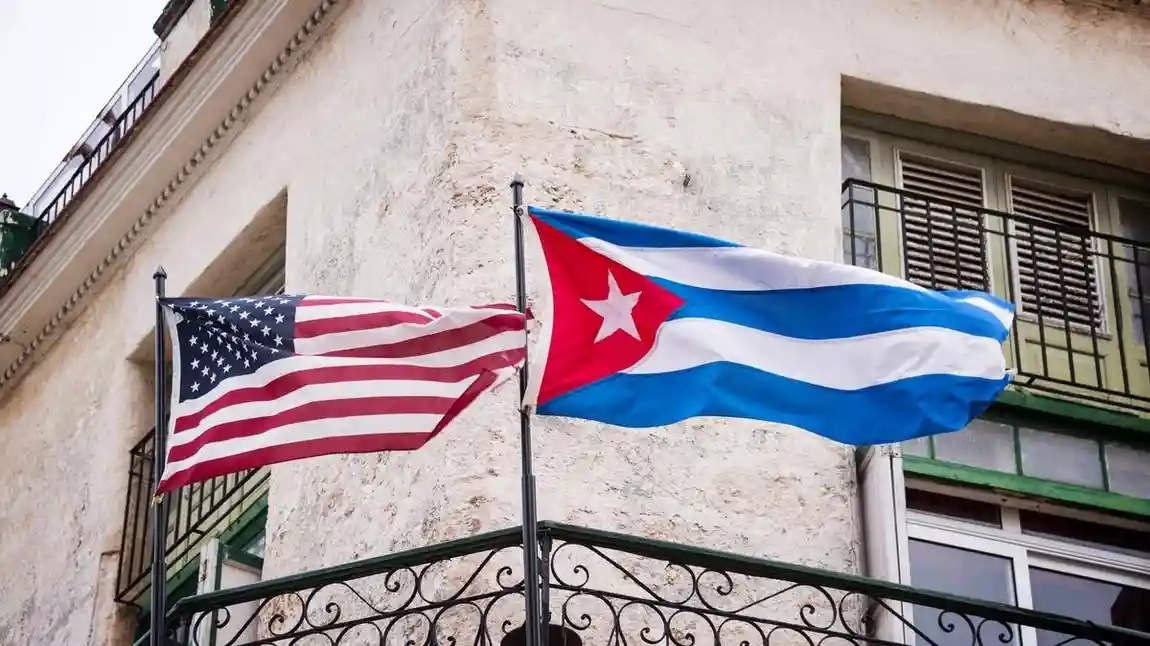
The United States has accused Cuba of running a decades-long intelligence campaign to influence American political and government institutions, increasing tensions between Washington and Havana.
A new report by the U.S. State Department accuses Cuban intelligence of infiltrating some of the highest levels of the U.S. government and says the country has long sought to gather information, influence political discourse and develop networks among sympathetic groups.
The charges mark a dramatic escalation of the Trump administration’s assaults on Cuba and come as Washington increases pressure on the Cuban government over security, human rights and foreign policy issues.
Cuban officials have denied charges of widespread infiltration and have long denied accusations that Havana runs aggressive intelligence operations against the United States.
State Department Report Alleges Decades of Cuban Influence Campaign
The purported intelligence activities are part of a long-standing effort by the Cuban government to influence American decision-making and undermine U.S. policies toward Havana, U.S. officials say.
The State Department report contends that Cuban intelligence services have attempted to cultivate links with political personalities, activists and groups in the United States as part of a wider approach to advancing Cuban interests.
The alleged scheme was described by administration officials as a threat to national security, arguing that foreign governments should not be able to manipulate American institutions through covert networks.
The findings show a need for stronger counterintelligence efforts and more scrutiny of foreign influence operations, officials said.
Washington ties Cuba to Broader Geopolitical Competition
The accusations come as the US continues to review its relationship with Cuba amid increased competition with countries such as China, Russia and Iran. U.S. officials have increasingly emphasized Cuba’s connections with U.S. rivals, saying Havana offers strategic opportunities for adversarial governments because of the geographic proximity to the United States.
The administration has warned that intelligence sharing between Cuba and foreign powers could pose additional security risks for Washington. The issue is particularly sensitive because Cuba is less than 100 miles from Florida, making intelligence activity on the island a long-standing concern for U.S. security officials.
Cold War-Era Intelligence Concerns Rekindled by Claims
The row is a throwback to decades of intelligence squabbles between Washington and Havana. During the Cold War, the two countries conducted a large number of intelligence operations. Cuban intelligence services sought to obtain information about U.S. policy, while American agencies monitored Cuban activities.
Previous cases involving Cuban intelligence operatives have fueled longstanding concerns about Havana’s ability to develop networks inside the United States. The most recent allegations show that intelligence competition between the two countries remains a major issue despite periods of diplomatic engagement.
Trump Administration Takes a Harder Line on Havana
The allegations are part of a broader shift to a more aggressive Cuba policy under President Donald Trump. The administration has promised to fight governments it sees as hostile to U.S. interests and has stepped up pressure on Havana using diplomatic and economic means.
Officials of the State Department have said the government of Cuba has supported activities undermining U.S. security interests and regional stability. The new emphasis on Cuba is a departure from previous efforts to warm up diplomatic relations between Washington and Havana.
Havana Rejects U.S. Charges
Cuba’s government has denied the American charges, and Cuban officials have dismissed the Washington allegations of government infiltration of American institutions. Havana has accused U.S. administrations in the past of overstating security threats for political reasons and using intelligence allegations to justify stricter sanctions.
Cuban officials say the United States has a long history of hostile policies against the island and argue that Washington’s claims are politically motivated. The latest spat is likely to put a further strain on relations between the two countries.
Foreign Influence in U.S. Institutions: A Cause for Concern
The allegations come as Washington faces broader concerns about foreign influence operations. U.S. officials are increasingly concerned about foreign governments seeking to influence political discussions, get hold of sensitive information or sway public opinion.
These problems have spread to several countries including Russia, China, Iran and others. Security experts say modern influence campaigns often rely on more than traditional espionage. They also rely on political networks, online platforms and information operations.
Washington: Political Fight Rages
The report has provoked a debate among lawmakers and foreign policy experts. Supporters of the administration say the allegations underscore the need for aggressive counter-intelligence policies and greater oversight of foreign connections.
Critics say that intelligence claims should be carefully vetted and backed up with publicly available evidence before they are used to justify major policy shifts. The dispute is likely to become part of a larger debate over U.S. foreign policy toward Cuba.
Implications for U.S.-Cuban Relations
Such charges could add another layer of difficulty to diplomatic relations between Washington and Havana. Migration, trade restrictions, security cooperation and economic sanctions are among issues on the table between the two governments.
A greater focus on intelligence issues might complicate future negotiations and exacerbate tensions in the Caribbean region. Analysts say the relationship is likely to remain one of the most complicated foreign policy challenges for the United States in the Western Hemisphere.
A New Chapter in U.S.-Cuba Conflict
The new allegations are another big development in the decades-long rivalry between the U.S. and Cuba. Washington says the allegations point to a serious intelligence threat that requires a tougher response.
Havana has rejected the charges, saying that the United States is using security concerns as a pretext to pressure the Cuban government. As the two countries continue to engage in a political battle, topics such as intelligence, foreign influence and national security are likely to continue to dominate the discussion.