Trump Administration Bans New Chinese Robots and Power Inverters Over AI Security Concerns
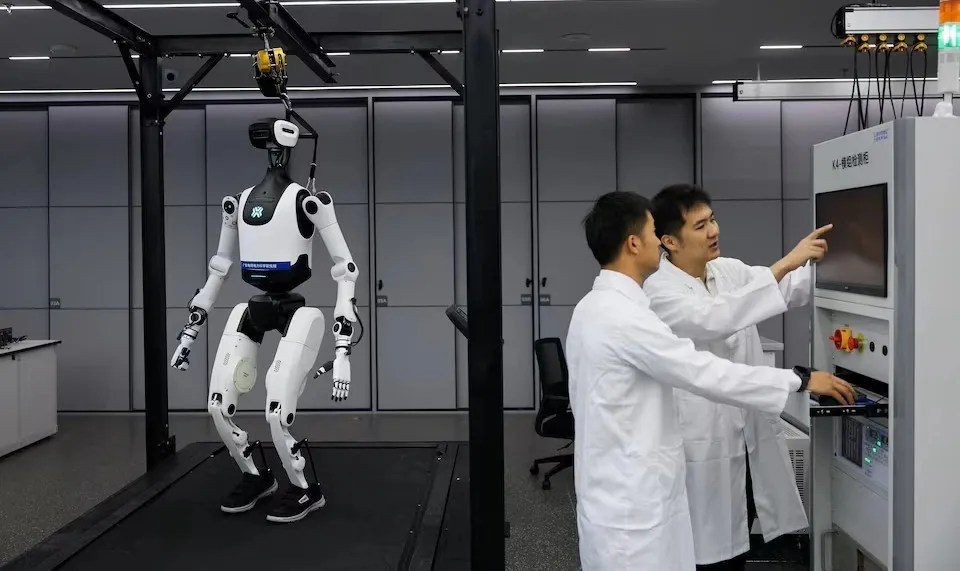
The Trump administration has added new restrictions on Chinese-made humanoid robots, quadruped robots and connected power inverters, citing the potential cybersecurity risks of the technologies and the possibility of foreign interference in critical U.S. infrastructure. It is another escalation in the growing technology rivalry between the US and China as the two countries vie to lead the world in artificial intelligence and advanced automation.
The restrictions, announced by the Federal Communications Commission (FCC), cover new models of sophisticated robotic devices and related hardware. The actions are intended to protect the country’s expanding AI infrastructure, including data centers, power systems and industrial networks increasingly dependent on connected technologies, officials said.
U.S. officials have expressed concern that robots and power equipment linked to networks from foreign companies could be used for espionage, data collection or disruption of critical systems. As artificial intelligence becomes more integrated into the fabric of business, government and national security operations, the administration says it’s vital to secure the technology supply chain.
The ban applies primarily to new products that have not yet entered the U.S. market. Officials said regulators still have the power to review equipment that was previously approved under some circumstances. The move underscores the broader US effort to reduce reliance on Chinese technology in areas deemed to be of strategic value including artificial intelligence, semiconductors, robotics and energy infrastructure.
U.S.-China tech Fight Heats Up with Robotics as New Front
The new restrictions move the technology competition between Washington and Beijing into new areas beyond existing sectors like semiconductor chips and telecommunications equipment. Advanced robotics has been a major area of interest, with governments viewing autonomous machines as a key technology for future industries, defense and AI development.
Chinese companies have established themselves as important players in the international robotics market, particularly in the field of humanoid and quadruped robots for industrial, research and commercial use. China’s manufacturing strength and its large domestic market have contributed to the fast growth of the country’s robotics industry over the past few years.
Companies like Chinese robotics maker Unitree, which builds affordable quadruped robots for researchers, developers and businesses, were affected by the restrictions. Some Chinese tech companies have been accused by U.S. officials of links to military applications, but Chinese authorities have denied the claims.
“Advanced robots are not just consumer devices, but increasingly networked platforms that can collect data and communicate over networks and interact with the physical world,” the U.S. government says. If those capabilities are in foreign hands, officials say, they could represent security concerns. Proponents of the policy say that restricting Chinese robotics imports could boost domestic production and ensure America’s place in upcoming AI-driven industries. But critics warn that limiting access to affordable robotics technology could stifle innovation for universities, startups and researchers that rely on globally available equipment.
Target Power Inverters – Energy Security Risks AI Data Center
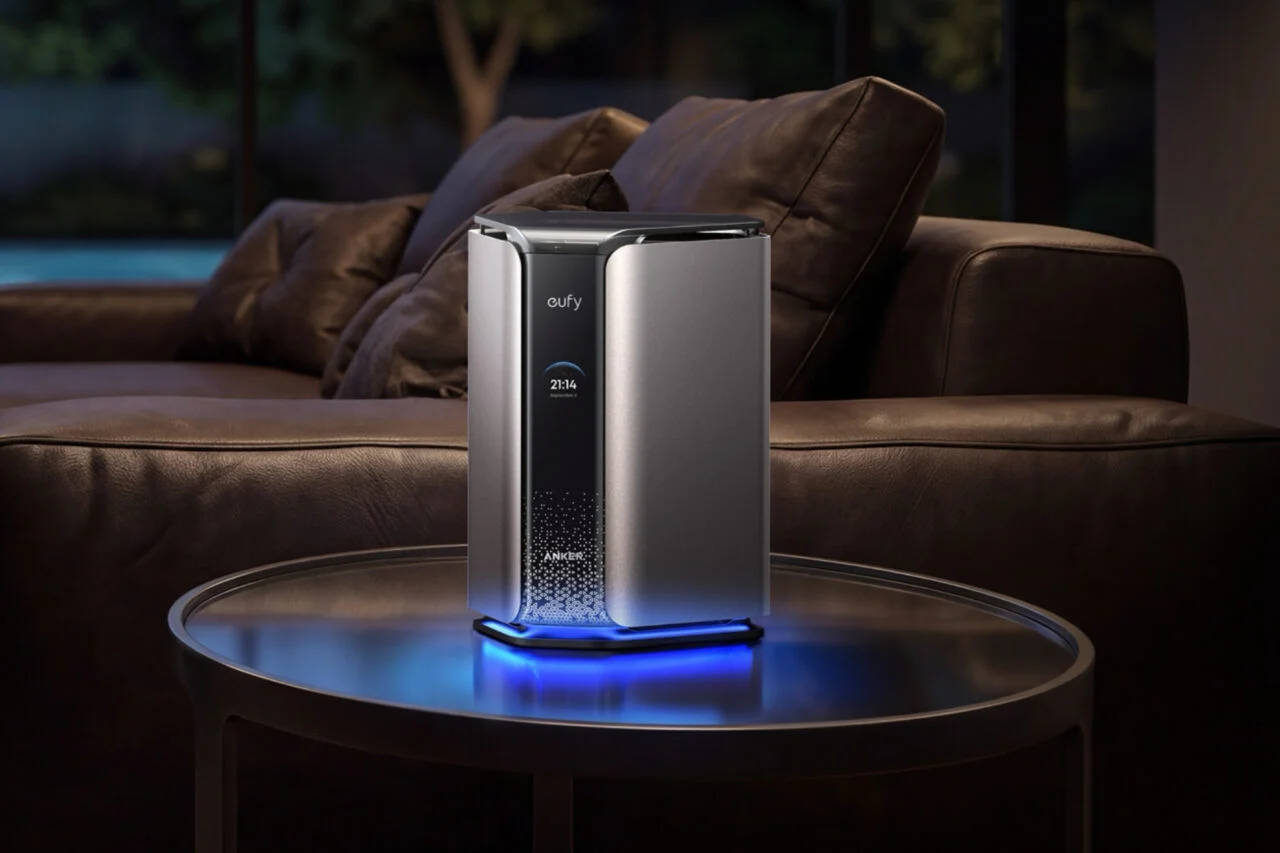
The administration also sought to restrict connected power inverters, devices that convert power from renewable sources of energy and batteries into usable power for grids and facilities, and robotics. These pieces have become more important as countries build renewable energy systems and large AI data centers that require large electricity supplies.
U.S. officials have warned that theoretically foreign-made inverters could be used to disrupt electricity networks or to interfere with critical infrastructure. Internal discussions within the administration have focused on ways to reduce the vulnerabilities of energy systems that depend on internet-connected equipment.
China leads the global inverter market, with Huawei and Sungrow being the main suppliers. The United States has been scrutinizing Chinese-made energy technology as part of a broader effort to protect infrastructure from possible cyber threats. The administration says protecting AI infrastructure is more than just protecting software and computer chips. Officials said physical systems underpinning AI, such as electricity networks, robotics platforms and industrial equipment, also need to be protected from potential vulnerabilities.
The ruling could impact future investment decisions by tech companies building AI facilities in the United States. This could lead more companies to look to domestic or allied suppliers for critical hardware components.
Back at China, Tech Tensions Escalate
China has criticized the curbs and called for dialogue, warning that more restrictions on technology could hurt global business ties. Beijing has repeatedly said U.S. restrictions on Chinese tech firms are politically motivated and unfairly restrict competition. The latest moves are the latest in a growing list of U.S. actions against Chinese technology. Earlier restrictions have focused on exports of advanced semiconductors, telecommunications equipment and artificial intelligence-related technologies.
Washington says such policies are needed to protect its national security interests and ensure its lead in strategic industries. The Trump administration has been very clear that AI is a major economic and geopolitical competition and supply chain security is becoming more important. In response, China’s officials have been pushing to develop its own technology and reduce its reliance on American technology providers. The result has been a widening rift between the world’s two largest technology ecosystems.
The new rules on robotics could add to the uncertainty facing cross-border companies, analysts said. If your business depends on global supply chains, you might want to take a second look at your suppliers, your manufacturing locations and your technology partnerships.
Impact of U.S. AI Expansion Strategy
The restrictions come amid a significant U.S. investment in expanding artificial intelligence infrastructure. Artificial intelligence not only requires sophisticated chips and software, but also large data centers, energy systems and automated industrial capacity. The Trump administration has made leadership in AI a national priority, saying ongoing technological dominance is key to economic growth and national security. Earlier policy work focused on speeding up the development of AI and safeguarding critical systems from possible threats.
It is hoped that the ban on Chinese robotics and energy equipment will encourage local manufacturing and lessen dependence on foreign suppliers. Supporters say the move could open opportunities for American robotics companies and technology manufacturers.
But some in the industry warn that technology supply chains are highly interconnected around the world. Many U.S. companies rely on foreign suppliers for components, research partnerships and production capacity. Policymakers will have to weigh security concerns against the need to continue to foster innovation and competitiveness. Too many restrictions could increase costs for companies and slow the adoption of emerging technologies, while too few protections could lead to security vulnerabilities.
What The Next Chapter in the AI Hardware Race will be is Unclear
The new restrictions show the U.S.-China competition is shifting into new categories of technology. The AI race is not being fought only on the battlefields of chips and software, as in past disputes, but also on the fields of robotics and energy infrastructure. Governments are beginning to view connected devices not only as consumer products, but as strategic assets, as artificial intelligence becomes ever more embedded in everyday systems.
The U.S. government is expected to continue monitoring technology imports that could have national-security implications, while China is expected to redouble efforts to shore up its domestic technology ecosystem. The new limits could also make companies rethink global supply chains and decide where to make products, source parts and invest in future technology.
The real effect of the ban will depend on if it provides an upside to U.S. technology independence or an additional hurdle to innovation. Today, robotics, energy systems and artificial intelligence are key battlegrounds in the U.S.-China technology competition.