Trump Weighs New Strikes on Iran as Netanyahu Presses for a Joint Four-to-Seven-Day Air Campaign
President Donald Trump is weighing another round of extensive military strikes on Iran but has not made a decision, The New York Times reported on Wednesday, citing US and Israeli officials briefed on the discussions. According to the report, Israeli Prime Minister Benjamin Netanyahu is pressing Washington to join Israel in a four- to seven-day air campaign against the Islamic Republic.
Trump has signalled publicly that action is not imminent. Axios reported that he indicated on Wednesday that a strike was not around the corner, and the Times of Israel reported that he suggested it might not happen until after the new year. None of the reporting says an order has been given.
The Intelligence Behind the Push
Israeli officials have told their American counterparts that Iran has rebuilt its missile and drone arsenals and is advancing chemical and biological weapons programs, according to summaries of the Times report. Netanyahu sent Mossad director Roman Gofman to Washington last week, where he met CIA Director John Ratcliffe, and Israel’s military intelligence chief, Shlomi Binder, has argued with US counterparts for resuming operations.
Trump told Fox News on Wednesday that there were indications Iran was exploring chemical and biological weapons. The Times of Israel reported that some US officials believe the Israeli presentation was “agenda driven.” Axios quoted a statement saying Trump has all options at his disposal to ensure Iran never acquires a nuclear weapon.
An Administration Divided, and a Political Cost
Officials in the Trump administration disagree about how strong the intelligence is and whether striking Iran again is wise, according to the Times report as summarized by investingLive. The same summary says Trump is also weighing the significant US firepower now in the region, which may not stay there indefinitely.
There is a political price to weigh. Voters signalled unhappiness with the war at this month’s midterm elections, citing higher prices and the lack of the quick victory promised at the outset, according to the same summary. Netanyahu’s own position is described as fragile after Israel’s elections last month, and Axios reported that he is lobbying Trump to go back to war as soon as possible. Leaders of Gulf countries, which fear a devastating Iranian response, are urging Trump to resist and keep tightening economic pressure instead, Axios said.
Strain Inside Iran
Iran shows no sign of making concessions, Reuters reported on November 16, but its own warnings about winter gas shortages point to vulnerabilities. Reuters said the war began on February 28 with US and Israeli strikes that killed Supreme Leader Ayatollah Ali Khamenei, and that Iran’s ports are now blockaded.
Government spokesperson Fatemeh Mohajerani said this winter’s shortfall will likely reach 430 million cubic metres, compared with 300 million last year, after four gas processing plants were damaged early in the war. A senior Iranian source told Reuters that Tehran is in talks to import gas from Russia. Two Iranian officials said the leadership is increasingly worried about public unrest; one described the hardship as a fire “smouldering beneath ashes.” Analyst Saeed Leylaz called the pressure the most severe siege Iran has faced since the revolution.
Oil and Energy Markets on Edge
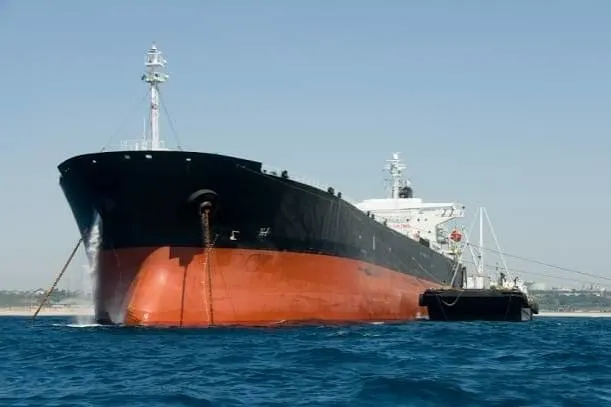
Oil prices rose on Thursday, partly on the Times report, investingLive said. A loaded tanker was also struck by an unidentified projectile while sailing outbound through the Strait of Hormuz on Wednesday, adding to supply worries. The strait carried about a fifth of the world’s oil and gas before the war, and the Associated Press reported in August that Iran had largely closed it.
International Energy Agency chief Fatih Birol said in April that the war was causing the biggest energy crisis in history, and the Times of Israel’s live blog on Thursday carried a fresh item on an agency warning that the Iran crisis poses the largest threat to energy security ever.
What to Watch
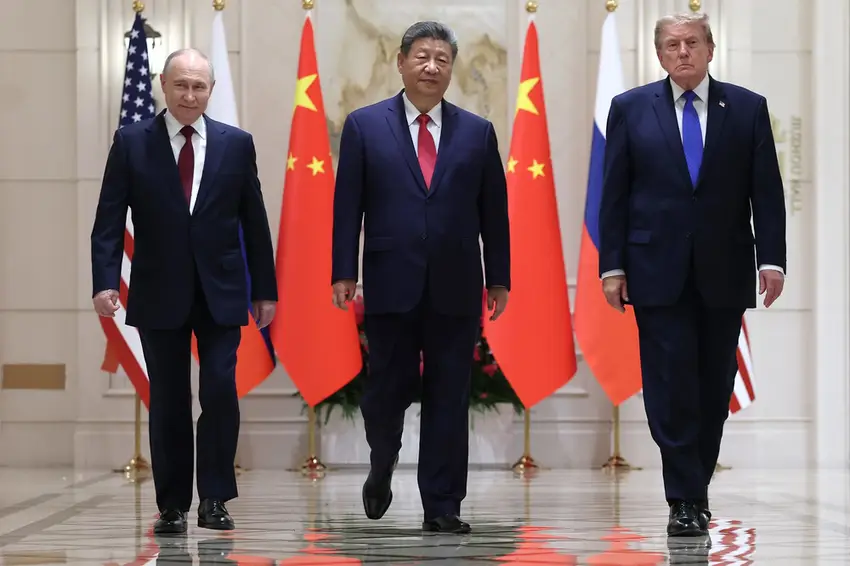
Iran is also expected to come up at the Trump-Xi-Putin talks in Shenzhen, where Atlantic Council analyst Andrew Peek expects Trump to raise reopening the Strait of Hormuz. The next signals to watch are any formal decision from the White House, further Israeli lobbying, the Gulf states’ response and whether Iran’s winter fuel crisis changes Tehran’s calculations.
Related Coverage
- → Times of Israel: Trump said weighing another Iran offensive, as Netanyahu pushes a 4- to 7-day campaign
- → Axios: Trump weighs strikes on Iran as Israel warns of chemical weapons
- → The Jerusalem Post: Netanyahu presses Trump for four-to-seven-day Iran strike campaign – report
- → investingLive: NYT – Trump weighs new Iran strikes as Israel presses for a four- to seven-day air campaign
- → Reuters (via TimesLIVE): Iranian leaders fret over public mood as gas shortages add to war ills
- → Reuters (via The Daily Star): War in Iran is causing biggest energy crisis in history, IEA says
- → AP (via ADN): Iran’s gas lines are growing, but there’s no sign so far that its leaders will bow to US sanctions