Ukraine Turns to Allies’ Meeting After Abu Dhabi Talks Yield Prisoner Swap but No Breakthrough
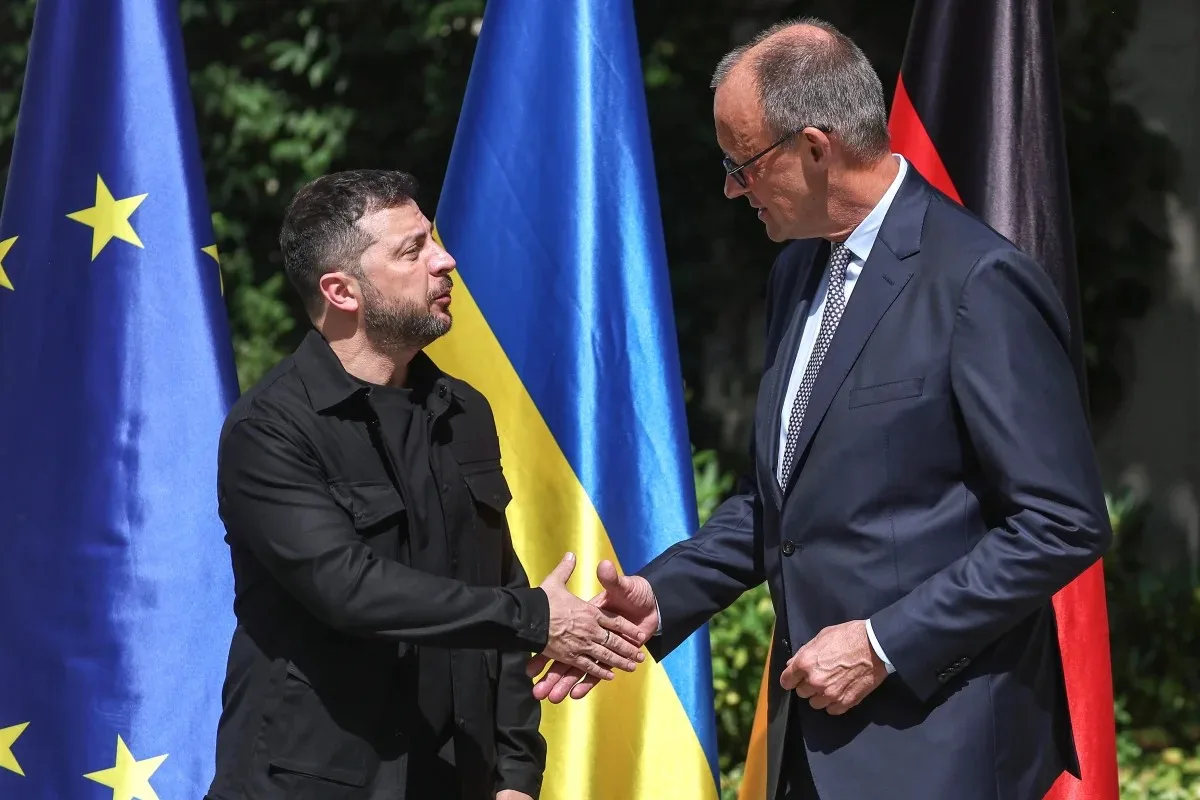
Russia and Ukraine have agreed to a large prisoner-of-war exchange, but a week after US-mediated talks in Abu Dhabi the two sides remain far apart on territory, security guarantees and who gets a seat at the negotiating table. Ukrainian President Volodymyr Zelenskyy said on Wednesday that his team would hold talks with representatives of President Donald Trump on November 19, alongside a meeting of the Coalition of the Willing of European leaders, which the Kyiv Independent reported is being held in Berlin, according to Ukrainska Pravda.
Zelenskyy said Kyiv would use the meetings to coordinate next steps in the negotiations with Russia, receive briefings on Trump’s discussions in China, and prepare new support packages for defence and for the energy sector. He told the Kyiv Independent the main aim in Berlin is to secure more support for Ukraine’s air defenses and energy sector.
What Abu Dhabi Produced
The Associated Press reported that the Abu Dhabi talks, held on Tuesday and Wednesday of last week, were the first direct meeting between Russian and Ukrainian delegations in nine months. The session lasted about four hours on Tuesday and just under two hours on Wednesday, and ended with no major breakthrough on ending the nearly five-year-old full-scale invasion.
The one concrete result was an agreement in principle on a large prisoner exchange. US envoy Jared Kushner called it the biggest humanitarian release of prisoners so far, and Russian negotiator Vladimir Medinsky and Ukraine’s delegation lead Rustem Umerov confirmed it. Final numbers have not been announced. A Russian General Staff official, Alexander Zorin, said the swap could take place within two to three weeks. Zelenskyy later described it as a real result.
Both sides described the talks positively. Medinsky said they helped Moscow and Kyiv edge closer to peace, and Kremlin adviser Yuri Ushakov called them substantive and useful. Kushner was more guarded, saying there was “no trust right now” between the sides.
Kremlin and Dublin
On Thursday, November 12, Kushner and Trump’s special envoy Steve Witkoff met Russian President Vladimir Putin in the Kremlin for about two hours, then flew to Dublin to meet Zelenskyy for more than an hour, according to the AP. Zelenskyy was in the Irish capital for a gathering of more than 40 European countries that included NATO Secretary-General Mark Rutte.
Putin’s positions did not soften. He told the envoys that any European troops deployed to Ukraine after a ceasefire would be unacceptable and would be treated as legitimate targets, and that the war would resume immediately, the AP reported. He also reminded them of Moscow’s 2021 demands that NATO roll back deployments in Central and Eastern Europe, and Russia says a peace deal should treat its border with Ukraine as extending to four Ukrainian regions it annexed in 2022 but does not fully control.
The Fight Over Europe’s Role
A central question is whether Europe joins the talks. Kushner said one goal of the Moscow trip was to win Putin’s approval for European representatives to take part in discussions on the continent’s broader security arrangements, and Witkoff said the Europeans would join at the next meeting without saying which countries would attend. Kremlin spokesman Dmitry Peskov said Europe must first name a representative, and the United States and Ukraine want Europe to choose a single negotiator. Russia objects to European participation because Europe funds and arms Ukraine.
Zelenskyy said Europe would be part of the negotiating team rather than a separate track, and that Europeans would have a voice, according to Anadolu Agency. The Kremlin did not confirm that Putin agreed to include Europe. Some analysts say Washington may be willing to grant Russia concessions on NATO strategy in return for peace, a prospect that alarms European leaders, the AP reported. Last month, Trump waived sanctions and approved a deal to import Russian diesel, a move that angered Kyiv and Europe.
The War Continues on the Ground and in the Sky
Fighting continues along a front line of about 1,200 kilometres. Russian strikes on Ukraine’s energy facilities have disrupted heat, electricity and water supplies, which Kyiv calls the weaponization of winter. In the overnight attack before the Kremlin meeting, Ukraine’s air force said Russia launched missiles and 123 drones, 73 of them jet-powered, hitting 17 locations, while Russia’s Defense Ministry said it downed 71 Ukrainian drones.
Zelenskyy also said Ukraine’s military is facing another slowdown of SpaceX’s Starshield service, which it uses to intercept drones and conduct strikes, and that a military investigation found the restrictions were not random errors. Elon Musk acknowledged last month that SpaceX had throttled Starlink in Ukraine for about a week, saying it could not be used for offensive strikes on Russia. On Wednesday, the Kyiv Independent reported that Kyiv says Ukrainian drones hit two Russian oil refineries in Krasnodar Krai.
A Parallel Summit in Shenzhen
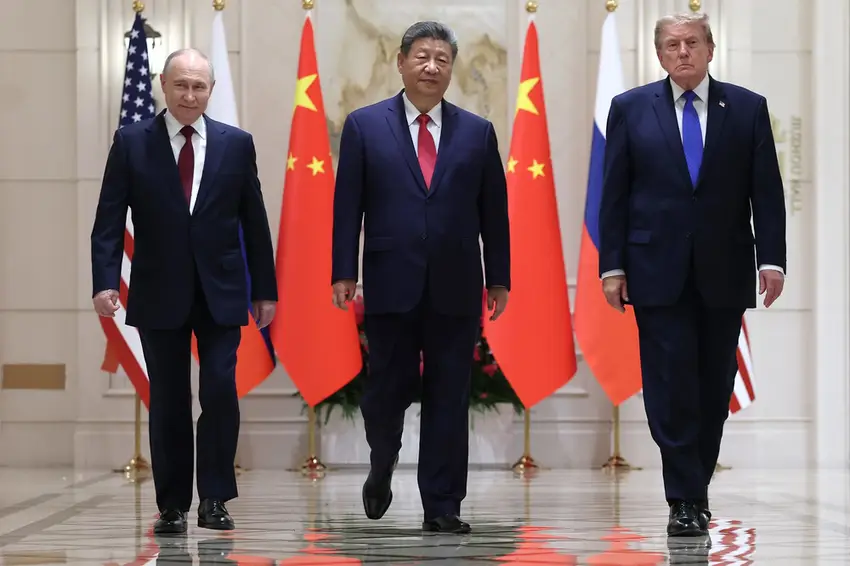
The Kyiv meetings coincide with the Trump-Xi-Putin summit in Shenzhen, where Ukraine is not represented. Analysts quoted by the Atlantic Council and ANI have warned that Ukrainians risk becoming a bargaining chip in a new great-power order. Zelenskyy has said that “Russia will achieve none of its objectives,” the Kyiv Independent reported. Whether the next round of talks includes Europe, and whether the prisoner swap goes ahead on schedule, will show how much momentum the diplomacy really has.
Related Coverage
- → AP (via CP24): US envoys go to meet Putin at the Kremlin following Ukraine talks in Abu Dhabi
- → AP (via 1News): Russia-Ukraine agree to large prisoner exchange as talks end
- → Ukrainska Pravda: Zelenskyy announces meeting of Ukrainian team with Trump’s envoys and European leaders
- → TRT World (Anadolu): Zelenskyy says Russia agrees to largest-ever prisoner exchange
- → The Kyiv Independent: ‘Russia will achieve none of its objectives’ — Zelensky details upcoming allies meeting
- → The Kyiv Independent: Ukraine war latest: Drones strike 2 Russian oil refineries in Krasnodar Krai, Kyiv says
- → Atlantic Council: What Trump, Putin, and Xi want from their meeting in Shenzhen