SpaceX Falcon 9 Sets New Reuse Record With 36th Flight of Same Booster
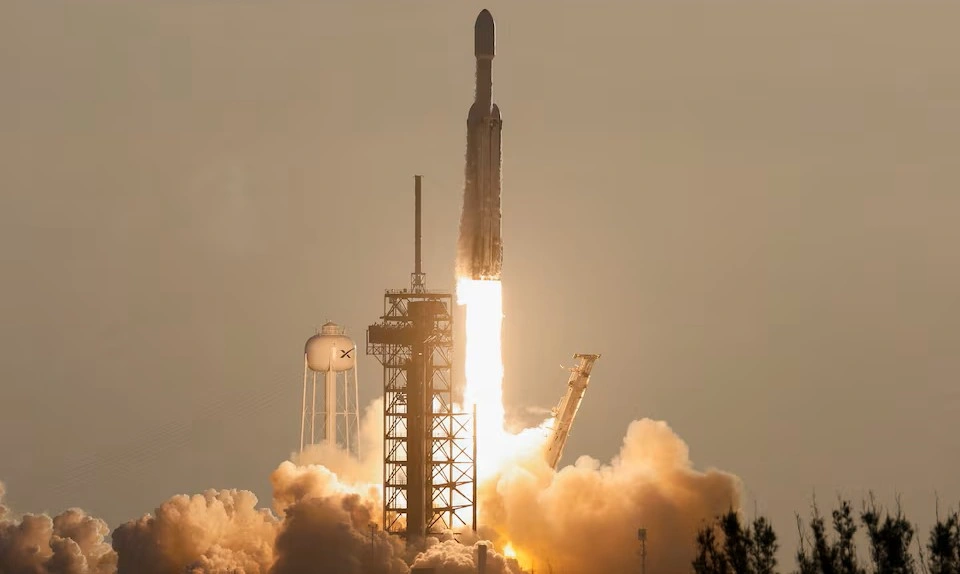
SpaceX on Friday reached another milestone in reusable rocket technology as a Falcon 9 first-stage booster wrapped up its 36th mission, setting a new record for the most flights by a single orbital-class rocket booster.
In a record-breaking launch, SpaceX blasted another batch of Starlink satellites into low Earth orbit from Cape Canaveral Space Force Station in Florida.
The mission is the latest step in the company's drive to make reusing rockets routine rather than experimental.
This mission was carried out by B1067, a booster that had already flown 35 orbital missions – the most flights of any Falcon 9 first stage in SpaceX’s fleet. The most recent launch showed the durability of the company’s Falcon 9 design and took its reusability program to new heights.
Reusable Rockets Open New Frontiers
For decades, rockets were largely regarded as disposable machines, with most destroyed after only one mission. That changed when SpaceX built reusable boosters that could fly back to Earth, get refurbished, and then fly again.
The Falcon 9’s first stage is built to detach after liftoff, re-enter the atmosphere under control and touch down on a drone ship or landing zone. This has substantially reduced the cost and turnaround time for orbital launches.
One booster flying 36 flights is a testament to the evolution of reusable rocket technology. SpaceX has been pushing the envelope continually on how many times a rocket can fly and still be reliable.
The company has previously said that Falcon 9 boosters could eventually be used for even more missions as engineers continue to refine inspection and refurbishment processes.
Starlink Adds More Satellites to Its Growing Constellation
The record-breaking Falcon 9 launch was part of SpaceX’s ongoing expansion of its Starlink satellite internet constellation.
The launch added 29 Starlink satellites to low Earth orbit and increased the size of a network that has grown to become one of the largest satellite constellations ever built.
Starlink’s objective is to deliver high-speed Internet over space, especially in areas lacking access to traditional broadband infrastructure.
That rapid pace of launches has been a huge benefit for SpaceX, allowing the company to quickly get satellites into space, but also to test and reuse its launch hardware at a pace never seen before.
SpaceX’s 2026 Falcon 9 missions are heavily weighted towards Starlink expansion, reflecting the company’s strategy of using its own satellite constellation as a primary source of launch demand.
What Causes The “Space Jellyfish” Effect?
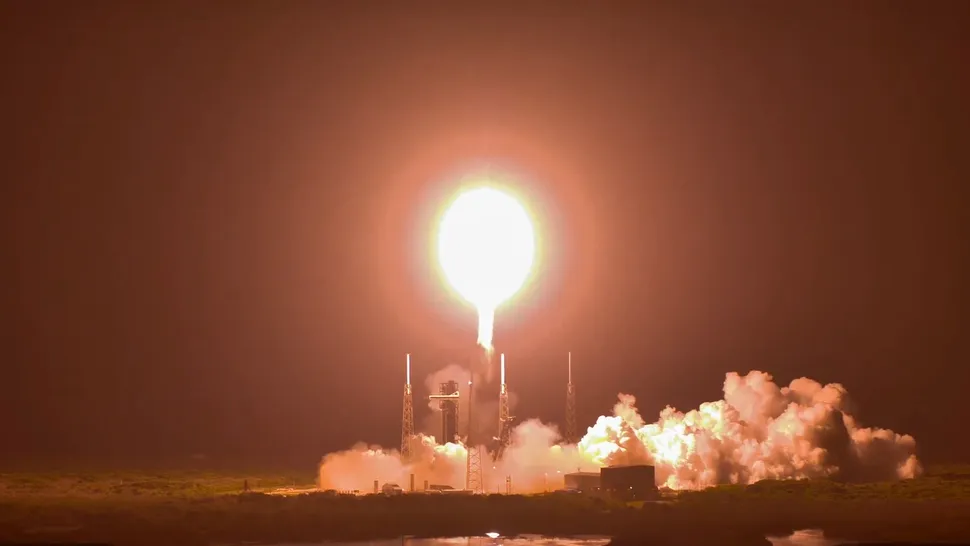
Residents also took notice of the Florida launch, seeing a luminous formation streak across the early morning sky.
Witnesses referred to the phenomenon as “space jellyfish” – a visual effect produced when rocket exhaust expands and reflects sunlight at high altitude against a backdrop of darkness.
This is most obvious for launches near dawn or dusk, when the rocket can be illuminated by the sun, but the ground is dark.
The growing plume takes on strange shapes and colors, often as a luminous cloud or jellyfish floating across the sky.
It can be a dramatic sight but experts say it is a normal result of rocket propulsion, atmospheric conditions and interaction with sunlight.
Falcon 9 Has Been The Workhorse Rocket of SpaceX
The Falcon 9 continues to be the workhorse of SpaceX’s launch business as the company shifts its focus to developing the larger Starship vehicle.
Now among the most flown orbital vehicles in history, the rocket has launched commercial satellites, NASA missions, government payloads, and private space ventures.
This achievement has allowed SpaceX to corner the commercial launch market by combining reliability with the ability to turn around launches quickly.
The Falcon 9’s reusable first stage is its hallmark. It has enabled SpaceX to fly more missions and reduce the cost of each launch.
How Rocket Reusability Is Changing the Space Industry
Rivals have been spurred by SpaceX’s success and the industry has been pulled faster toward a more general shift to reusable spacecraft.
With the industry moving away from traditional expendable rockets, companies around the world are putting big bets on reusable launch technology.
The upside on the economy is huge. If you can recover and fly the same hardware multiple times, the manufacturers can spread the cost over many missions.
“The Falcon 9 program has demonstrated that rockets can be reused at commercial scale, and is changing the future of space transportation.”
Beyond the Record: A Marker of SpaceX’s Strategy
B1067’s 36th flight is more than a technical milestone.
It reflects the operational model that SpaceX has built around frequent launches, reusable hardware and large-scale satellite deployment.
More data is gathered with every successful booster recovery to make future missions better and to extend the life of existing rockets.
The milestone also helps cement SpaceX’s reputation as one of Earth’s most prolific launch providers.
SpaceX Is Still Pushing The Boundaries of Reusable Rockets
Falcon 9’s historic accomplishment is a reminder that the science fiction-to-routine transition is upon us for today’s reusable rockets in modern space operations.
Each flight adds experience operating the hardware that has already flown, reducing costs and allowing the launch cadence to increase.
The company’s latest success is another step in the evolution of the space industry, where rockets are no longer throwaway tools but reusable platforms that can underpin a growing commercial space economy.