South Korean Lunar Orbiter Reveals SpaceX Rocket Crash Site on Moon After Historic Impact
South Korea’s lunar orbiter has snapped the first shots of the Moon’s surface where a SpaceX Falcon 9 rocket stage deliberately crash-landed, providing scientists with valuable info about artificial impacts on the lunar surface. The Korea Aerospace Research Institute’s Danuri spacecraft took photos of the impact crater before and after, giving scientists a chance to study the newly formed impact site.
The stage of the rocket, which has been orbiting space since its original mission ended, hit the Moon at an estimated 5,400 mph (8,700 km/h). The impact created a new crater, throwing up lunar dust and debris over the surrounding area. The event was closely watched, as it was a rare example of a human-made object colliding with the lunar surface by accident. The crash, scientists said, offers a unique chance to study the effects of impacts on the Moon’s terrain and the behavior of artificial objects after they enter into uncontrolled trajectories around the Moon.
The collision posed no threat to Earth or any operating spacecraft, but the incident has renewed discussions about how to manage space debris as more missions travel beyond Earth orbit. Researchers say future lunar exploration will require improved tracking and disposal strategies for abandoned spacecraft parts.
South Korea’s Danuri Orbiter Captures Rare Evidence of Lunar Impacts
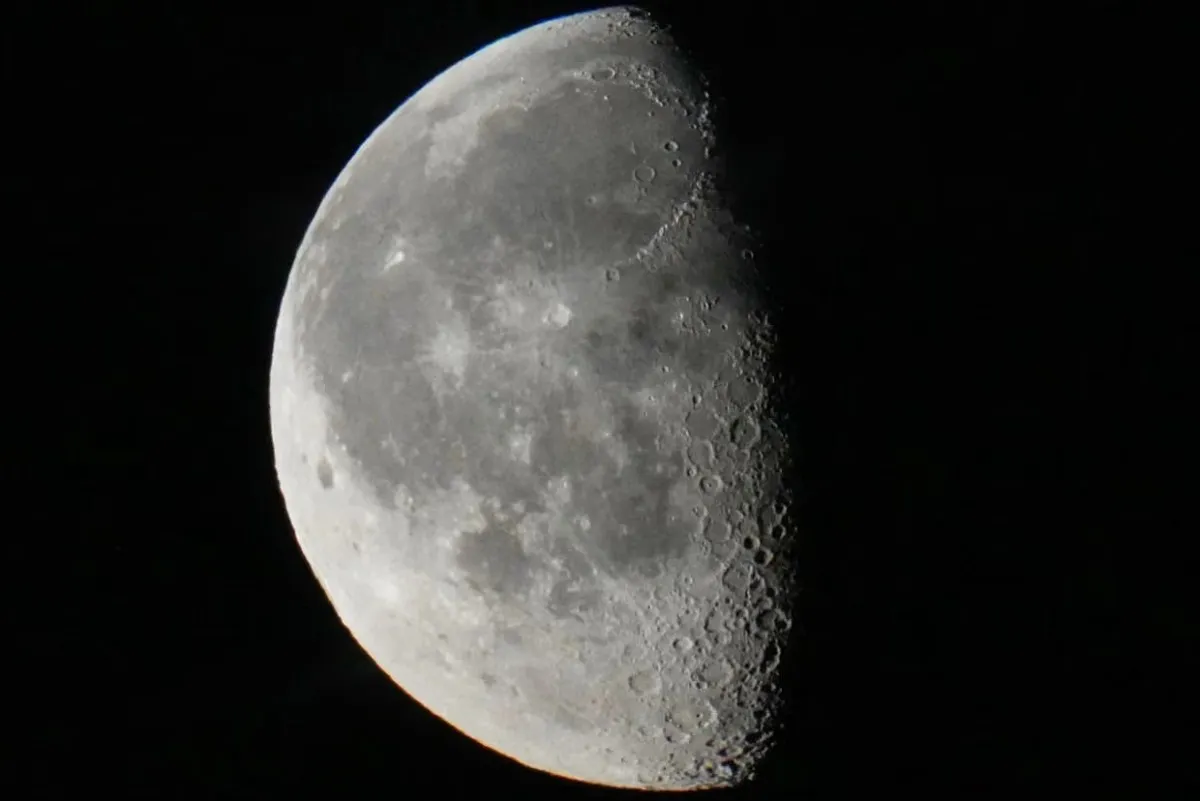
This is where the Danuri lunar orbiter was crucial in capturing the aftermath of the SpaceX rocket crash. Operated by South Korea’s space agency, the spacecraft captured before-and-after images, giving scientists a look at changes on the lunar surface after the impact. Scientists have identified a general impact zone in the area of the Moon’s Einstein crater region so that orbiting spacecraft can plan observations. The impact site was near the lunar limb and therefore difficult to see from the ground, so orbital imaging proved particularly useful.
The Danuri spacecraft, launched in 2022, was initially intended to investigate lunar resources, terrain, and potential future exploration sites. It showed how lunar observing missions were becoming scientifically useful by catching the SpaceX impact. Researchers are examining the images to help determine the size of the crater, how the debris was dispersed and how lunar material responded to the impact. The results could help improve the scientific models used to understand natural and artificial impacts on the Moon. The event also points out the necessity of international collaboration in space science. The South Korean orbiter made important observations to contribute to future investigations planned by other lunar missions.
NASA’s Lunar Reconnaissance Orbiter is also expected to survey the impact site, providing further data on the physical changes wrought by the crash. Data from the incident could help future lunar missions by increasing knowledge of surface conditions, impact behavior and risks of increasing activity around the Moon.
SpaceX Falcon 9 Stage Creates New Moon Crater
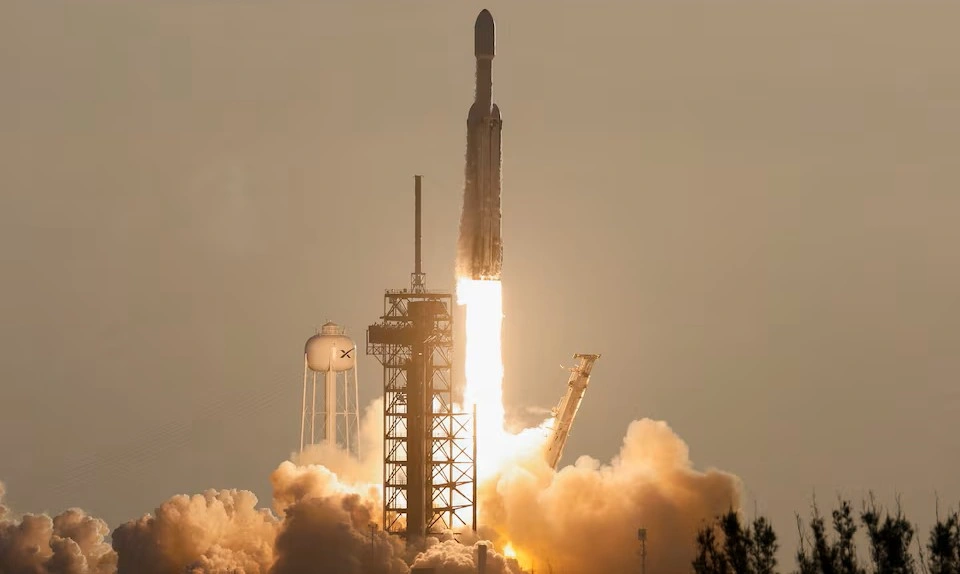
It turns out the thing that hit the Moon was the spent upper stage of a SpaceX Falcon 9 rocket that launched in January 2025. The rocket stage was initially part of a lunar mission that carried commercial landers until it went off course in an uncontrolled trajectory that finally resulted in a collision with the lunar surface.
The Falcon 9 upper stage had been traveling at very high velocity prior to impact, so it had a lot of energy on impact with the Moon. The scientists expected the crash to leave a crater several tens of meters across and raise a large cloud of lunar dust and debris. The Moon, unlike Earth, has no atmosphere to burn up incoming objects, so spacecraft debris can stay in orbit or eventually hit the surface. The incident illustrates one of the issues with ramping up human activity beyond Earth orbit.
Space agencies and researchers are showing growing interest in tracking objects that move between the Earth and Moon. With more governments and private companies planning to send humans back to the moon, managing abandoned hardware will become an important part of space operations. This SpaceX impact is not the first time that a human-made object has crashed into the Moon. lunar orbiters later studied craters made by other spacecraft crashes. NASA’s Lunar Reconnaissance Orbiter had earlier spotted a crater created by a rocket body impact back in 2022.
But the latest event is remarkable because scientists were able to predict the impact and set up observation campaigns in advance. This gave a rare opportunity to witness a controlled scientific observation of an accidental lunar collision.
Scientists Study Impacts to Learn About Moon’s Surface
The SpaceX rocket crash was a great opportunity for researchers to study how artificial impacts affect the lunar environment. Because impact marks are retained on the surface of the Moon for very long times, scientists can study new craters to learn more about geological processes. Researchers will look at how much material was thrown up by the crash, how far the lunar dust was kicked and how the structure of the crater compares to models of previous impacts.
As nations gear up for more lunar exploration, understanding impact behavior is important. As future missions may involve permanent infrastructure, scientific stations and commercial activities, knowledge of lunar hazards is becoming increasingly important. Scientists also want to compare human impact with natural asteroid and meteorite impacts. The Moon is constantly being struck by things from space. Scientists can study artificial impacts better because we know their size , speed and origin .
The impact of SpaceX also demonstrates the value of coordinated observation networks. The event was followed and information was gathered by ground-based telescopes, orbital spacecraft and research institutions. The observations might aid in the planning of future lunar missions, experts say. Knowing how debris moves around as more spacecraft visit the Moon will be important to keep equipment safe and manage operations. This event has turned a chance collision into a scientific bonanza, giving scientists new information about the Moon's surface and impact processes.
Moon Activity Raises Space Debris Alarm
As activity around the Moon heats up, a crashing SpaceX rocket has re-ignited the debate over how to deal with space junk. The lunar environment presents new challenges as objects can follow complex trajectories compared to Earth orbit where tracking systems are more developed. There are more trips to the Moon being planned by governments and private companies, and there will be more spacecraft working around the Moon. Experts say future missions will need to follow more rigid rules for tracking, disposal and responsible operations.
As NASA, commercial companies and international partners get ready for a new era of lunar exploration, this is becoming increasingly important. More missions, more opportunities to do science, and commerce. But also more opportunities for abandoned gear to be a hazard. SpaceX and other aerospace companies have emphasized the significance of increasing human access to space. But it shows that spacecraft need to be carefully thot out when they are finished with their missions.
Future spacecraft designs may have to incorporate planned disposal routes or controlled impacts at sites where scientists can safely observe them, according to scientists. The Moon has long been a stable environment but more human activity is changing that. The SpaceX crash is a reminder that space work requires long-term planning, not just planning for specific missions.
As lunar exploration accelerates, the management of artificial objects orbiting the Moon will become an increasing priority for space agencies worldwide. Data gathered in this impact could help to inform future policies for responsible exploration beyond Earth.