Nvidia Board Reinstates Jensen Huang as CEO, Sending Shares Up 31% in Best Day Since 2003
Nvidia’s board of directors has reinstated Jensen Huang as president and chief executive, reversing course less than two weeks after he resigned amid a scandal that pulled the AI chip giant into a national security debate in Washington.
The company announced the decision on Monday, November 23, saying the board voted unanimously and that the change takes effect immediately. Huang also returns to the board. Directors said a series of meetings with him left them satisfied with his candor and ability to lead, and that input from senior levels of the US government left them confident his return poses no national security risk.
Chief financial officer Colette Kress, who has served as interim CEO since November 12, goes back to her previous duties. In the announcement, board chair Harvey C. Jones said the board believes Huang is the right person to lead Nvidia. Huang said he was honored to return, and CBS News reported that he said he can’t wait to get back to work.
The reversal was abrupt. On Nvidia’s earnings call on November 17, Jones told investors the board “does not intend to reinstate Jensen as CEO,” according to CBS News, even after Huang had said he would be willing to return if the board judged it was in the best interests of the company.
From Resignation to Reinstatement in Eleven Days
The turmoil began earlier this month, when Nvidia’s board opened an independent investigation after reports that Huang had been the target of a foreign intelligence effort. Huang acknowledged an affair with a woman whom US officials suspected of being a Chinese intelligence asset, an allegation Beijing denies. He resigned on November 12.
President Donald Trump, who had urged the board to take Huang back, told CNBC he spoke directly with directors about it. He praised the decision on Truth Social, saying the country needs Huang’s leadership. CNN reported that Huang was reinstated after pressure from Trump and the White House.
Analysts offered different explanations for the board’s change of heart. Dan Ives of Yorkville Ives said the board had little choice because the resignation had become an issue for the economy and global markets. Gil Luria of D.A. Davidson attributed the turnaround to White House pressure and worries about the AI investment cycle after the previous week’s sell-off, CBS News reported.
Shares Post Their Best Day Since 2003
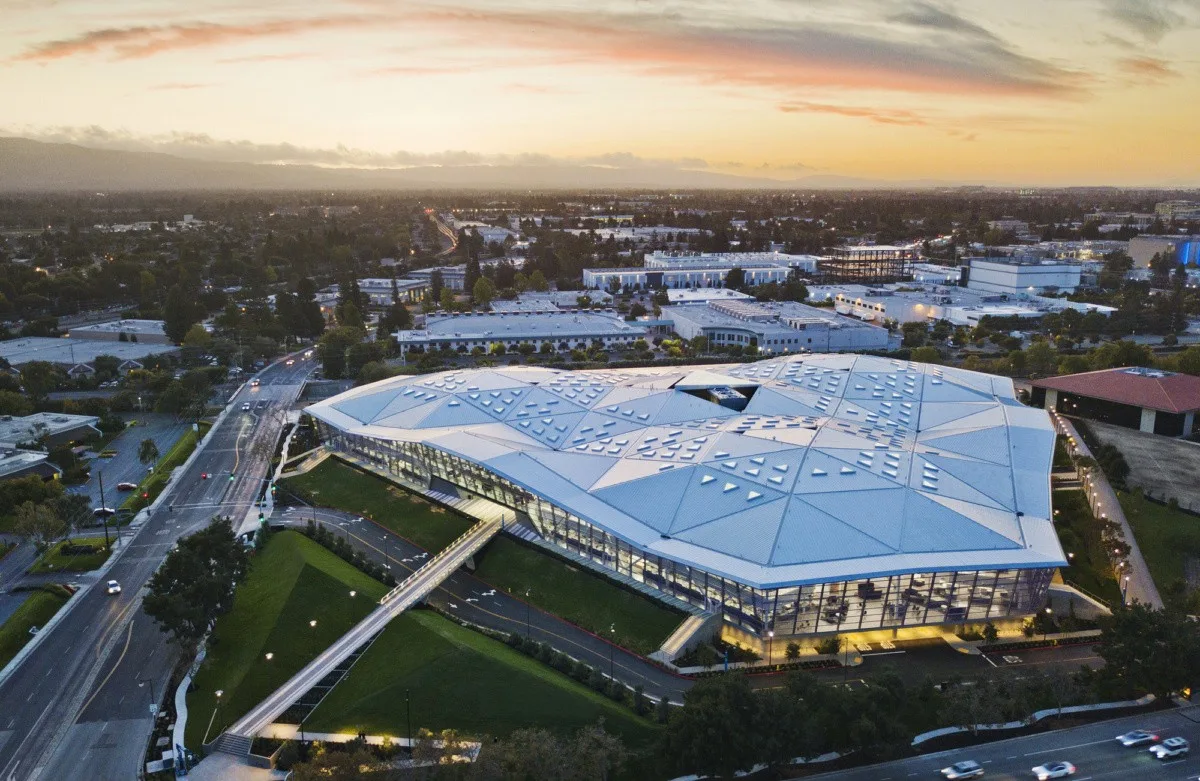
The market response was immediate. Nvidia shares jumped about 31% on Monday, their best one-day gain since 2003, adding roughly $950 billion in market value, Yahoo Finance reported. CNN said Forbes estimates put Huang’s personal fortune at about $143 billion after a one-day increase of roughly $33 billion. Employees greeted him with loud cheers and applause when he returned to Nvidia’s Santa Clara headquarters.
The rally lifted the wider market. The S&P 500 rose 4.7% and the Nasdaq Composite 6.5%, the best day for both since April 2025. It followed a brutal Friday, when the S&P 500 fell 3.7% to close in correction territory and chip stocks had their worst week since 2001, according to Yahoo Finance. Neocloud peers CoreWeave and Nebius rose as much as 30% on Monday.
Not everyone saw a fundamental turning point. Nomura strategist Charlie McElligott said much of the surge reflected forced buying, as short sellers covered and options dealers unwound hedges, calling it a “mechanical bounce” that guarantees nothing. He pointed to stubborn inflation, rising borrowing costs and cooling expectations for AI spending as lingering risks.
The business itself is not the worry. Nvidia reported third-quarter revenue of $115.8 billion on November 17, up 103% from a year earlier, and forecast about $130 billion for the fourth quarter without assuming any data-center compute revenue from China.
Congress Responds With Bipartisan Alarm
Washington’s reaction was swift. The Associated Press reported that lawmakers from both parties criticized the decision and the role of the White House. Sen. Tim Scott, the outgoing Republican chair of the Senate Banking Committee, announced that Huang will testify publicly before the panel on December 3. Huang is also expected to sit for interviews with three House committees next week.
Sen. Elizabeth Warren, the Democrat who will chair the Banking Committee next year, called the reinstatement “reckless” and said the administration must explain what role US officials played. Rep. Robert Garcia, the incoming House Oversight chair, said Trump’s direct involvement raises serious national security and corruption questions. Sen. Ruben Gallego urged an inquiry into what stock positions were taken before the announcement.
Republicans were critical too. Sen. John Cornyn asked on what basis the government concluded there was no national security risk, and Sen. John Curtis asked who in government advised the board. Democrats take over committee gavels in January and plan investigations into the administration, AP reported.
At the center of the dispute is where Nvidia’s advanced chips end up. AP noted that Warren and Sen. Jim Banks urged the Commerce Department earlier this year to suspend or reconsider Nvidia’s export licenses to China, and that a November statement from them said the company had reportedly received approvals to export hundreds of thousands of advanced AI chips, including to firms tied to China’s military. Treasury Secretary Scott Bessent said earlier this month he was frustrated by Commerce’s delay in restricting chip exports to Singapore-based Megaspeed.
What to Watch Next
Nvidia says the investigation led by independent directors, with outside counsel, will proceed to conclusion and that Huang will cooperate. The board has also formed a National Security and Export Control Committee made up solely of independent directors to oversee trade compliance and national security risks, and is searching for a new chief compliance officer who will report to the Nominating and Corporate Governance Committee.
The next tests come quickly: Huang’s December 3 testimony, the House committee interviews and the Democratic-led investigations expected in January. Investors will be watching whether those answers settle the export-control questions or widen them.
For now, the leadership uncertainty that weighed on the AI trade for nearly two weeks is over. The questions about China, export controls and how the board reached its decision are not.
Related Coverage
- → NVIDIA: NVIDIA Board Reinstates Jensen Huang as President, CEO and Board Director
- → CBS News: Nvidia reinstates Jensen Huang as CEO
- → CNN: Nvidia shares soar 30% after board reinstates Jensen Huang under Trump pressure
- → Associated Press: Fury in Congress over Huang’s reinstatement as lawmakers move forward with hearings
- → Yahoo Finance: How Good Was Monday’s Stock Rally? Here’s Where It Ranks in History
- → Yahoo Finance: Stock market today: Dow, S&P 500, Nasdaq post best day since April 2025 as Nvidia stock soars 31% on Jensen Huang’s return
- → NVIDIA: NVIDIA Announces Financial Results for Third Quarter Fiscal 2027