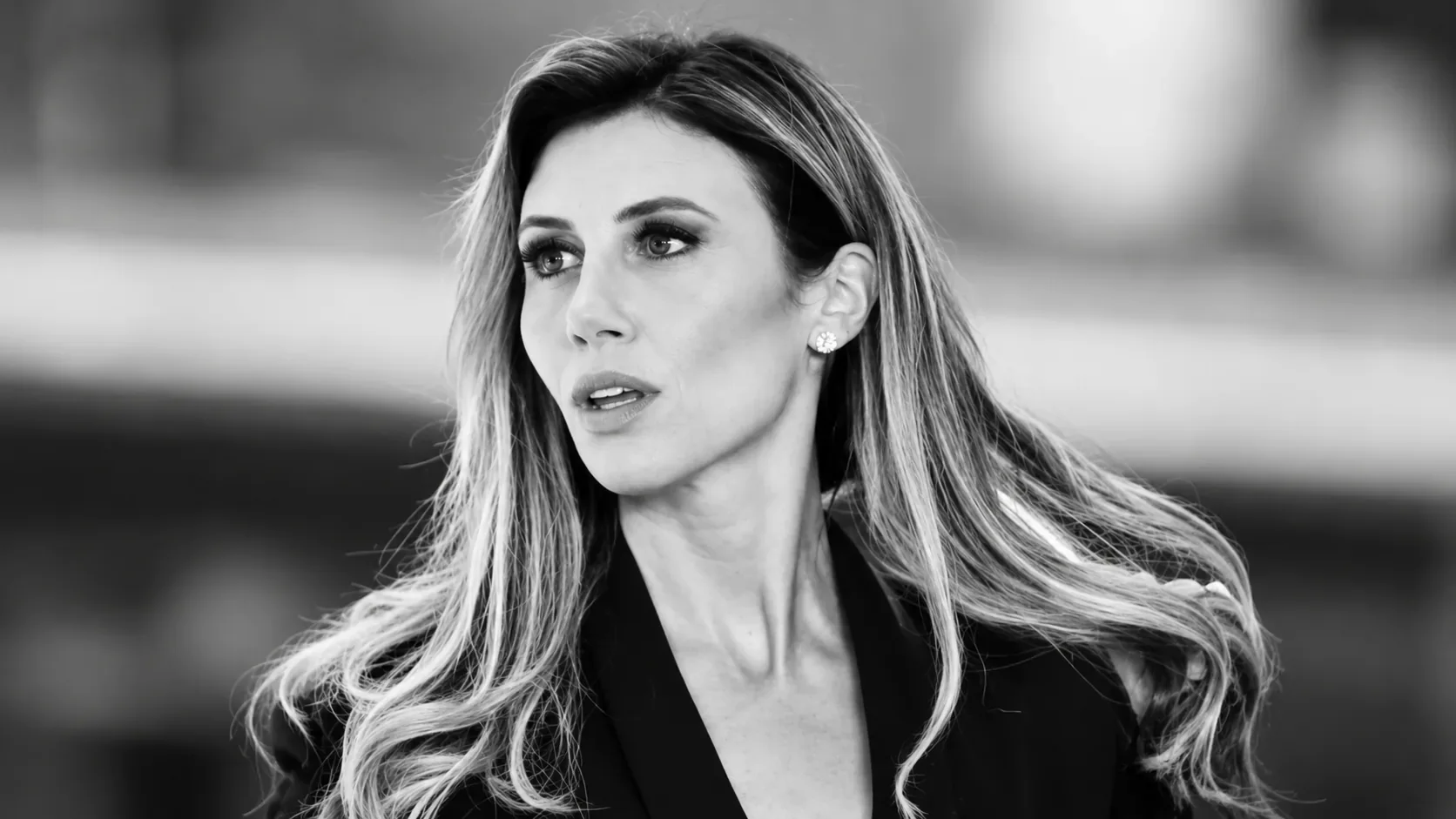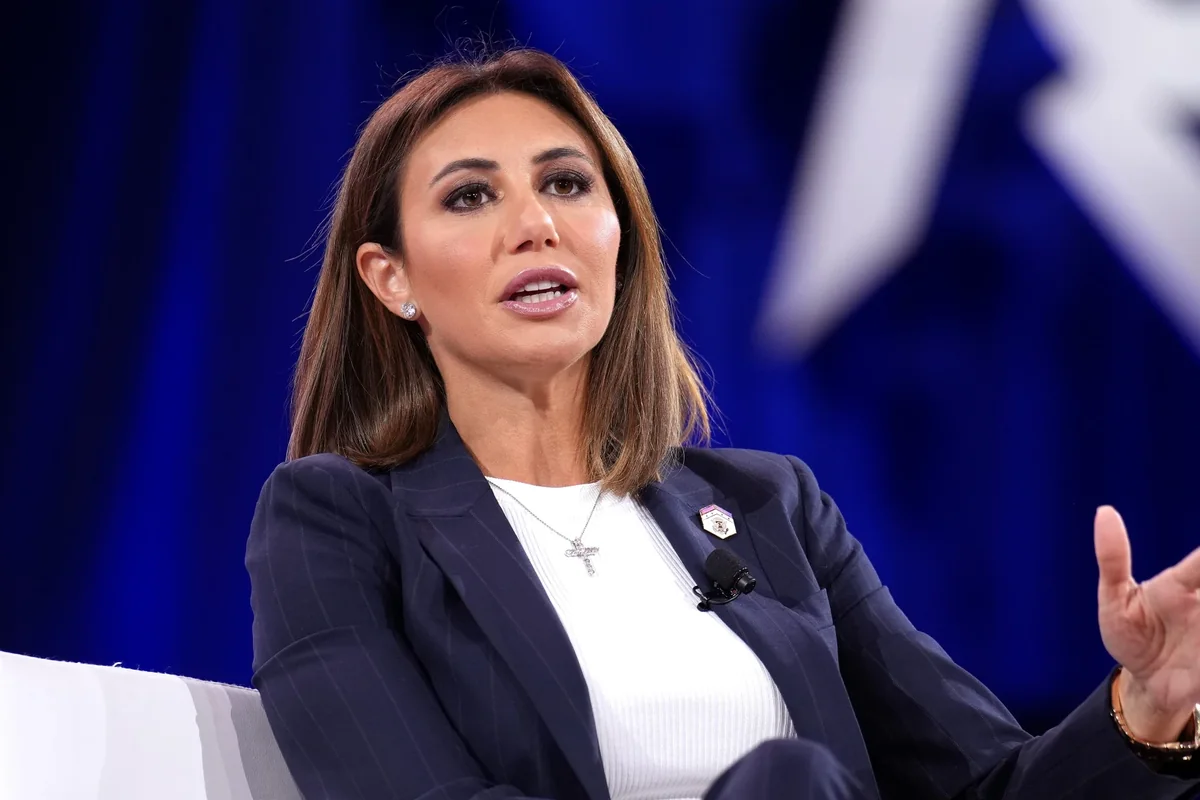
For a while, Alina Habba appeared to be on a remarkable upward journey. She became a familiar face on television, stood beside Donald Trump during some of his most difficult legal battles and eventually secured a senior position in the federal justice system.
Her rise was closely tied to one person: Donald Trump.
As his attorney, Habba became known for her confidence, strong public statements and willingness to defend him through a series of high-profile controversies. Supporters saw her as a loyal and determined lawyer. Critics, however, questioned whether her public role sometimes became more political than legal.
Whatever people thought of her approach, there was no denying that Habba had become an important figure in Trump’s circle.
But her journey would soon become more complicated. A controversial appointment, a court ruling and fresh questions about her professional relationships would put her career under pressure.
01How Alina Habba became a familiar face in American politics
Before becoming a regular presence in national headlines, Habba worked in private legal practice. Her career changed significantly when she became part of Donald Trump’s legal team.
Representing a former president is no ordinary assignment. Trump’s legal battles attracted enormous media attention, and his lawyers often found themselves answering questions from journalists as well as preparing arguments for court.
Habba quickly became one of the most visible members of that team. She appeared in television interviews, defended Trump’s position and spoke openly about the legal challenges facing him.
Her public profile grew with every appearance. She was no longer simply a lawyer working behind the scenes. She had become a recognisable personality in American political news.
For Trump’s supporters, her confidence and loyalty made her an effective representative. Her critics took a different view, arguing that her public comments sometimes sounded more like political messaging than conventional legal advocacy.
Still, the attention helped make Habba a prominent figure in Trump’s political world. Her growing influence eventually opened the door to an even bigger opportunity.
02From Trump’s lawyer to a powerful federal position
When Donald Trump returned to the White House in 2025, Habba’s career entered a new phase. He selected her to serve as interim U.S. attorney for the District of New Jersey.
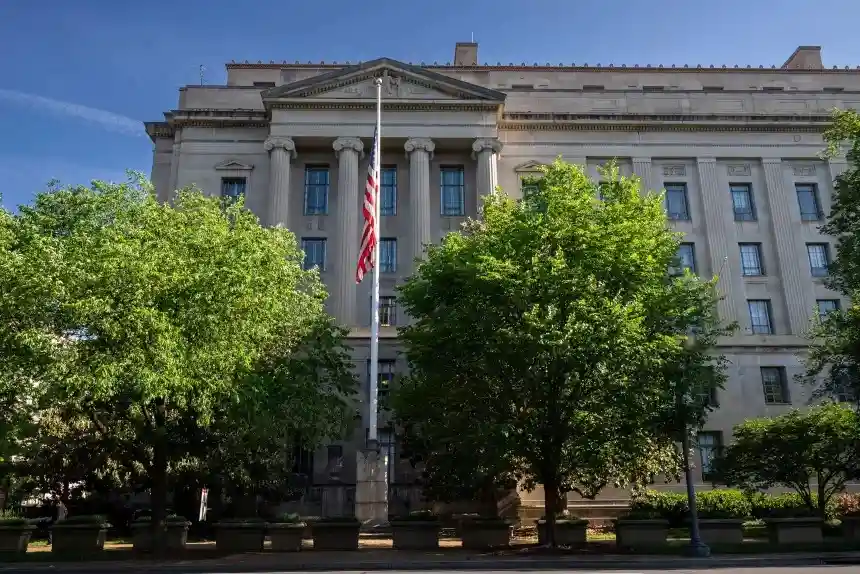
It was a significant move. The position carries considerable responsibility, including overseeing federal prosecutions and representing the United States in legal matters within the district.
For Habba, it was a chance to move beyond representing Trump personally and take on a role within the federal justice system.
However, the appointment quickly became controversial.
Supporters welcomed the decision, viewing her as someone the president trusted. Critics questioned whether she had the experience needed for such an important prosecutorial position. New Jersey’s Democratic senators, Cory Booker and Andy Kim, also opposed her nomination.
The disagreement soon moved beyond politics and into the courts.
At the centre of the dispute was a question about whether the administration had followed the correct legal process to keep Habba in the position after the temporary appointment period had ended.
It was a serious challenge because the role of a U.S. attorney is not simply another political appointment. The position carries legal responsibilities, and the process for filling it must follow established rules.
03The court ruling that changed the direction of her career
The legal dispute eventually became a major setback for Habba.
In December 2025, the U.S. Court of Appeals for the Third Circuit upheld a ruling that she had been serving unlawfully as New Jersey’s acting U.S. attorney.
The decision put an end to her leadership of the office. On December 8, Habba announced that she was stepping down.
She presented the move as a decision made to protect the stability and integrity of the office, rather than as a personal defeat. The Justice Department later said she would take on a senior advisory role under Attorney General Pam Bondi.
Even so, the departure marked a dramatic change.
Only months earlier, Habba had been placed in charge of an important federal legal office. Now, a court ruling had questioned the legal basis of her appointment.
The episode also raised broader questions about the independence of federal law enforcement and the limits of presidential authority.
For Habba, it was a reminder that political support alone cannot guarantee a position. Even a president’s preferred candidate must be appointed according to the law.
04More questions about her professional conduct
Leaving the New Jersey office did not bring an end to the attention surrounding Habba.
In November 2026, New Jersey’s Office of Attorney Ethics recommended moving forward with disciplinary proceedings over her involvement in a 2021 settlement involving Alice Bianco, a former waitress at Trump National Golf Club in Bedminster.
The complaint focuses on how Bianco’s allegations against a manager at the club were handled and the circumstances surrounding the settlement.
According to the ethics filing, questions arose about Habba’s role in the process, whether Bianco had independent legal representation and whether the settlement arrangements raised concerns about professional conduct.
The filing also questioned whether Habba could properly act as an intermediary while having connections to the club.
These are serious claims, but it is important to understand that an ethics complaint is not the same as a final finding of misconduct. The disciplinary process has not reached a final conclusion.
Habba’s lawyer has challenged the allegations and indicated that the defence intends to seek a fair resolution.
The case could affect her professional reputation, but its eventual outcome will depend on the evidence and the disciplinary process.
05The reported $50 million business deal
Another controversy emerged around a reported business agreement involving Concord Partners, a Florida-based company founded by the daughter of Venezuelan banker Julio Herrera Velutini.
Reports in November 2026 said Habba had entered into a four-year agreement worth more than $50 million to serve as the company’s general counsel.
The arrangement attracted attention because Herrera Velutini had received a presidential pardon. Questions were raised about the timing of the agreement and the political connections surrounding the people involved.
President Trump publicly criticised the reported deal, saying he did not want Habba to receive the money. Later reports said Concord Partners had terminated the agreement.
Habba denied that she had been paid to secure a pardon or that she had worked with the White House or the Justice Department to arrange one.
That distinction matters. A reported business agreement and the timing of a presidential pardon do not, on their own, prove that there was an exchange of favours.
Nevertheless, the story created another difficult moment for Habba. It brought renewed attention to the relationship between politics, private business and personal influence in Washington.
It also showed how quickly a professional arrangement can become politically sensitive when the people involved have connections to powerful figures.
06When political loyalty becomes a professional challenge
One of the most interesting parts of Habba’s story is how closely her rise was connected to her relationship with Trump.
That relationship gave her opportunities, national recognition and access to influential circles. It helped turn her from a relatively little-known private attorney into a familiar name in American politics.
But there was also a price.
When a lawyer becomes closely identified with a political figure, their professional reputation can become tied to that person’s victories, controversies and public image.
Habba’s experience illustrates this challenge. Her work for Trump helped her gain influence, but it also placed her at the centre of political disputes that extended far beyond ordinary legal practice.
The situation became especially complicated when she moved into a federal prosecutorial role. A personal attorney’s responsibility is to represent a client. A federal prosecutor, on the other hand, must serve the public and exercise independent legal judgment.
Those responsibilities are not the same.
The controversy surrounding her appointment showed why the distinction matters. The courts were not deciding whether Habba was loyal to Trump or whether she had defended him effectively. They were examining whether the legal requirements for holding public office had been followed.
It was a reminder that political connections cannot replace the rules and responsibilities attached to public service.
07What does the future hold for Alina Habba?
Habba’s next chapter remains uncertain.
She has built much of her public identity around her work with Trump, and she has continued to be associated with his political circle. But the questions surrounding her former federal position, the ethics proceedings and the reported Concord Partners agreement have created challenges that may take time to resolve.
It would be too early to say that her career is over. The ethics matter has not produced a final disciplinary decision, and Habba has denied wrongdoing in connection with the pardon-related allegations.
At the same time, the controversies have made it harder to separate her professional career from the political environment in which she rose to prominence.
Her future will depend partly on how these matters develop and whether she can rebuild public confidence in her professional standing.
08A rise built on influence, a fall marked by scrutiny
Alina Habba’s journey has been extraordinary. She moved from private legal practice to the national spotlight, became one of Donald Trump’s most visible legal allies and eventually stepped into a powerful federal position.
But her rapid rise was followed by a series of difficult setbacks. A court ruling ended her time as New Jersey’s acting U.S. attorney, while later ethics proceedings and questions about a reported business contract brought further scrutiny.
Her story is not a simple tale of success followed by failure. It is a reminder of how closely law and politics can become connected, and how difficult it can be to maintain a professional reputation when both worlds overlap.
For Habba, political loyalty opened doors that might otherwise have remained closed. But her experience also shows that influence has limits. Courts, legal procedures and professional standards continue to matter, regardless of how close someone may be to the people in power.
Whether she manages to move beyond these controversies remains to be seen. For now, her career stands as an example of how quickly a person can rise through political influence — and how quickly that position can come under pressure when legal and professional questions emerge.